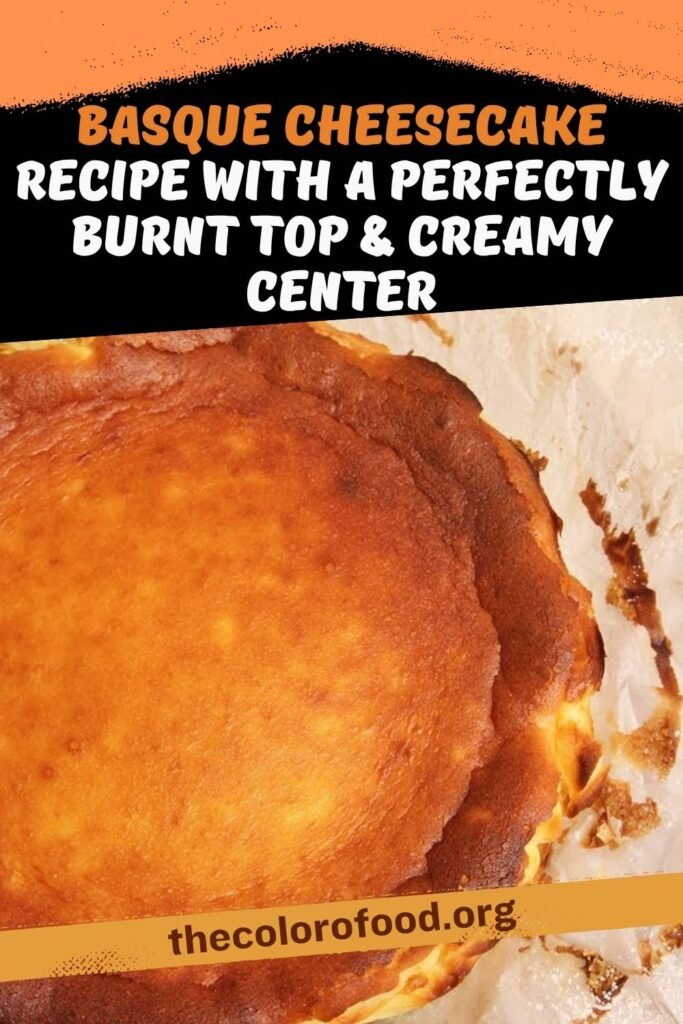
Basque cheesecake is a beautifully rustic dessert known for its deeply caramelized top, creamy custard-like center, and rich flavor. Unlike traditional cheesecakes, this version is intentionally baked at a high temperature to achieve its signature burnt exterior while keeping the inside luxuriously soft and silky. This recipe uses simple ingredients and a straightforward method, making it approachable while still delivering bakery-quality results.
Below is a detailed, step by step guide that walks you through the entire process, ensuring your cheesecake turns out perfect every time.
Ingredients
- 2 lb cream cheese, softened
- 1 1/4 cups granulated sugar
- 5 large eggs
- 2 cups heavy cream
- 1/4 cup all purpose flour, sifted
- 1/4 tsp salt
- Splash of vanilla extract
Step by Step Instructions
1. Prepare Your Baking Pan and Oven
Start by preheating your oven to 400°F or 200°C. This high temperature is essential for achieving the signature dark top of a Basque cheesecake.
Line a springform pan with parchment paper. Make sure the parchment extends well above the edges of the pan since the cheesecake will rise during baking. The paper should be crinkled and not perfectly smooth as this gives the cheesecake its rustic look.
Place the prepared pan on a baking tray to catch any potential drips.
2. Soften and Prepare the Cream Cheese
Ensure your cream cheese is fully softened before starting. This step is crucial for a smooth batter. If the cream cheese is too cold, it will create lumps that are difficult to remove later.
Place the softened cream cheese in a large mixing bowl. Using a hand mixer or stand mixer, beat it until it becomes smooth and creamy. Scrape down the sides of the bowl to ensure even mixing.
3. Add Sugar and Blend Until Smooth
Gradually add the granulated sugar to the cream cheese. Continue mixing until the mixture is completely smooth and glossy.
Take your time with this step because properly dissolving the sugar into the cream cheese helps create the silky texture that Basque cheesecake is known for.
4. Incorporate Eggs One at a Time
Add the eggs one at a time, mixing well after each addition. This helps maintain a smooth batter and prevents curdling.
After each egg is added, scrape down the sides of the bowl to ensure everything is fully incorporated. The batter should become slightly thinner and very creamy.
5. Add Heavy Cream and Vanilla
Pour in the heavy cream slowly while mixing on low speed. This adds richness and gives the cheesecake its signature custard-like consistency.
Add a splash of vanilla extract and mix until combined. The batter will now be quite fluid, which is exactly what you want for this style of cheesecake.
6. Sift and Add Dry Ingredients
In a separate bowl, sift together the flour and salt.
Gradually add the dry ingredients into the batter while mixing gently. This helps prevent lumps and ensures an even texture.
Mix just until combined. Avoid overmixing at this stage to keep the batter light.
7. Pour Batter into Prepared Pan
Pour the batter into the lined springform pan.
Tap the pan lightly on the counter to remove any air bubbles. The batter should settle evenly into the pan.
8. Bake the Cheesecake
Place the cheesecake in the preheated oven and bake for about 50 to 60 minutes.
The top should become deeply golden to dark brown, almost burnt in appearance. This is intentional and gives the cheesecake its unique flavor.
The center should still jiggle slightly when you gently shake the pan. This indicates a creamy interior.
9. Cool the Cheesecake Properly
Remove the cheesecake from the oven and let it cool completely at room temperature.
As it cools, the cheesecake will deflate slightly and develop its signature rustic look.
Once cooled, you can refrigerate it for a few hours if you prefer a firmer texture, or serve it at room temperature for a softer, custard-like consistency.
10. Slice and Serve
Carefully remove the cheesecake from the pan. Peel away the parchment paper before slicing.
Use a sharp knife and wipe it clean between slices for neat cuts.
Serve as is or with simple accompaniments like fresh fruit.
Tips for the Perfect Basque Cheesecake
- Always use room temperature ingredients to ensure a smooth batter without lumps. Cold ingredients can result in uneven mixing.
- Do not worry about the dark top. The burnt appearance is what defines this cheesecake and adds a subtle bitterness that balances the sweetness.
- Avoid overmixing once the flour is added. Overmixing can make the texture dense instead of creamy.
- Line the pan generously with parchment paper. The rustic folds not only prevent sticking but also create the classic look.
- Keep an eye on baking time. Every oven is slightly different, so start checking around the 50 minute mark.
- The center should still jiggle when you remove it from the oven. It will continue to set as it cools.
- Let the cheesecake cool naturally. Rapid cooling can cause cracks or affect texture.
- Refrigerating overnight enhances the flavor and gives a firmer slice, while room temperature serving gives a softer bite.
- Use full fat cream cheese and heavy cream for the best texture and richness. Lower fat alternatives will not yield the same result.
- If the top browns too quickly, you can loosely place foil over it, but usually the high heat is necessary for the authentic finish.
Essential Equipment Guide
- Springform pan
- Parchment paper
- Mixing bowls
- Hand mixer or stand mixer
- Rubber spatula
- Sifter
- Baking tray
- Measuring cups and spoons
Pairings
- Fresh berries like strawberries or raspberries
- Lightly sweetened whipped cream
- Fruit compote or berry sauce
- Espresso or strong coffee
- Dessert wine or a light sweet wine
Variations
- Add citrus zest such as lemon or orange for a fresh twist
- Incorporate chocolate chips for a richer dessert
- Swirl in fruit puree before baking
- Add a hint of cinnamon or nutmeg for warmth
- Use a touch of almond extract for a different flavor profile
Prep Time, Cook Time, Servings
- Prep Time: 20 minutes
- Cook Time: 45 minutes
- Servings: 8 to 10 slices
This Basque cheesecake is a perfect combination of simplicity and indulgence. With its creamy interior and bold caramelized top, it stands out from traditional cheesecakes and delivers a truly memorable dessert experience.
Print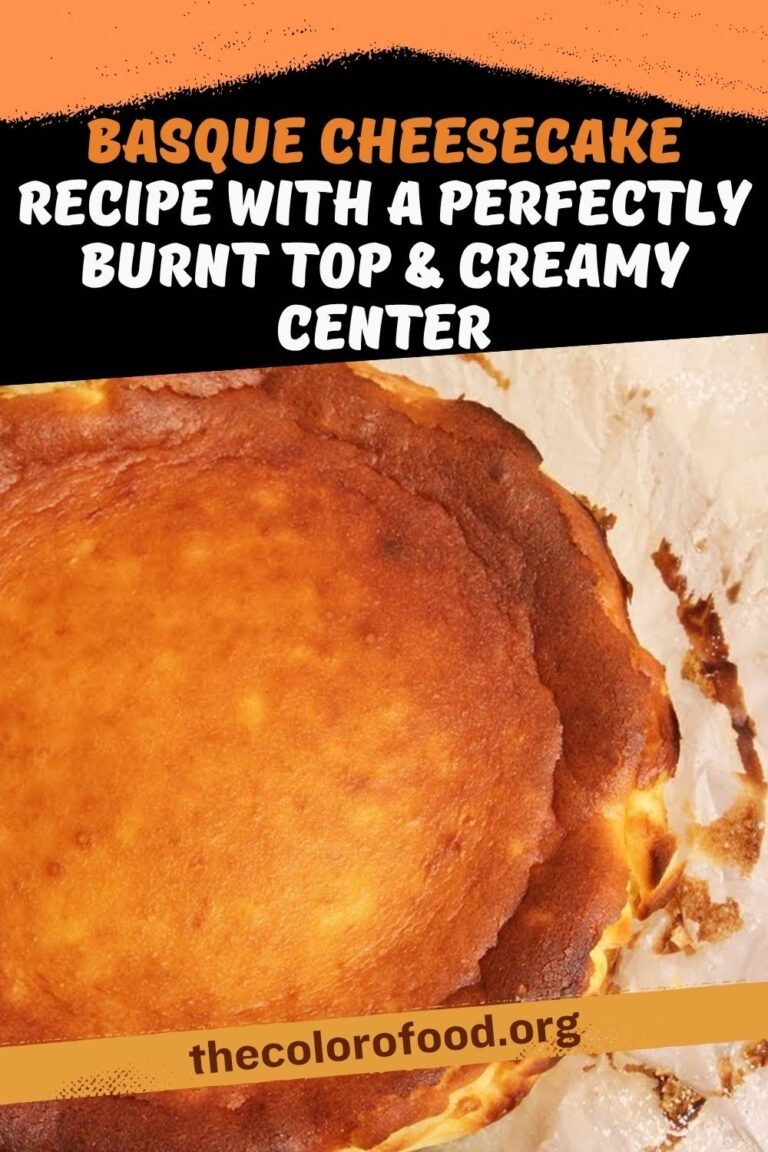
Basque Cheesecake Recipe with a Perfectly Burnt Top & Creamy Center
Basque cheesecake is a beautifully rustic dessert known for its deeply caramelized top, creamy custard-like center, and rich flavor. Unlike traditional cheesecakes, this version is intentionally baked at a high temperature to achieve its signature burnt exterior while keeping the inside luxuriously soft and silky. This recipe uses simple ingredients and a straightforward method, making it approachable while still delivering bakery-quality results.
- Total Time: 1 hr 5 mins
- Yield: 8 – 10 Slices
Ingredients
- 2 lb cream cheese, softened
- 1 1/4 cups granulated sugar
- 5 large eggs
- 2 cups heavy cream
- 1/4 cup all purpose flour, sifted
- 1/4 tsp salt
- Splash of vanilla extract
Instructions
Start by preheating your oven to 400°F or 200°C. This high temperature is essential for achieving the signature dark top of a Basque cheesecake.
Line a springform pan with parchment paper. Make sure the parchment extends well above the edges of the pan since the cheesecake will rise during baking. The paper should be crinkled and not perfectly smooth as this gives the cheesecake its rustic look.
Place the prepared pan on a baking tray to catch any potential drips.
2. Soften and Prepare the Cream Cheese
Ensure your cream cheese is fully softened before starting. This step is crucial for a smooth batter. If the cream cheese is too cold, it will create lumps that are difficult to remove later.
Place the softened cream cheese in a large mixing bowl. Using a hand mixer or stand mixer, beat it until it becomes smooth and creamy. Scrape down the sides of the bowl to ensure even mixing.
3. Add Sugar and Blend Until Smooth
Gradually add the granulated sugar to the cream cheese. Continue mixing until the mixture is completely smooth and glossy.
Take your time with this step because properly dissolving the sugar into the cream cheese helps create the silky texture that Basque cheesecake is known for.
4. Incorporate Eggs One at a Time
Add the eggs one at a time, mixing well after each addition. This helps maintain a smooth batter and prevents curdling.
After each egg is added, scrape down the sides of the bowl to ensure everything is fully incorporated. The batter should become slightly thinner and very creamy.
5. Add Heavy Cream and Vanilla
Pour in the heavy cream slowly while mixing on low speed. This adds richness and gives the cheesecake its signature custard-like consistency.
Add a splash of vanilla extract and mix until combined. The batter will now be quite fluid, which is exactly what you want for this style of cheesecake.
6. Sift and Add Dry Ingredients
In a separate bowl, sift together the flour and salt.
Gradually add the dry ingredients into the batter while mixing gently. This helps prevent lumps and ensures an even texture.
Mix just until combined. Avoid overmixing at this stage to keep the batter light.
7. Pour Batter into Prepared Pan
Pour the batter into the lined springform pan.
Tap the pan lightly on the counter to remove any air bubbles. The batter should settle evenly into the pan.
8. Bake the Cheesecake
Place the cheesecake in the preheated oven and bake for about 50 to 60 minutes.
The top should become deeply golden to dark brown, almost burnt in appearance. This is intentional and gives the cheesecake its unique flavor.
The center should still jiggle slightly when you gently shake the pan. This indicates a creamy interior.
9. Cool the Cheesecake Properly
Remove the cheesecake from the oven and let it cool completely at room temperature.
As it cools, the cheesecake will deflate slightly and develop its signature rustic look.
Once cooled, you can refrigerate it for a few hours if you prefer a firmer texture, or serve it at room temperature for a softer, custard-like consistency.
10. Slice and Serve
Carefully remove the cheesecake from the pan. Peel away the parchment paper before slicing.
Use a sharp knife and wipe it clean between slices for neat cuts.
Serve as is or with simple accompaniments l
- Prep Time: 20 Mins
- Cook Time: 45 Mins