

These coconut macaroons are rich, chewy, and golden on the outside, with a soft, sticky centre that showcases sweet coconut and a hint of vanilla and almond. Using whipped egg whites lightens the mixture just enough to keep the cookies from feeling heavy, while sweetened condensed milk holds everything together and adds that classic caramelised edge.
Ingredients
- 1 (14 oz) bag sweetened shredded coconut
- 1 (14 oz) can sweetened condensed milk
- 1 teaspoon vanilla extract
- ¼ teaspoon almond extract
- 2 egg whites, at room temperature
- ¼ teaspoon salt
- ½ teaspoon cream of tartar
This quantity makes about 15–20 macaroons, depending on the size of your scoop.
Step 1: Prepare the Oven and Baking Sheets
Preheat your oven to 325°F (about 160°C), a moderately low temperature that lets the macaroons dry out and brown gently without burning the coconut. Line two baking sheets with parchment paper, making sure the parchment lies flat so the macaroons bake evenly and do not stick. If you do not have parchment, use silicone baking mats; avoid greasing the pan directly, as extra fat can cause the bottoms to spread and over-brown.
Step 2: Set Up the Egg Whites for Whipping
Place the room-temperature egg whites into the bowl of a stand mixer fitted with the whisk attachment, or in a large, clean metal or glass bowl if using a hand mixer. Add the salt and cream of tartar to the egg whites; these two ingredients help stabilise the foam so it whips up higher and holds its shape better. Make sure there is absolutely no trace of egg yolk, grease, or water in the bowl, as any fat can prevent the whites from whipping properly and reaching stiff peaks.
Step 3: Whip the Egg Whites to Stiff Peaks
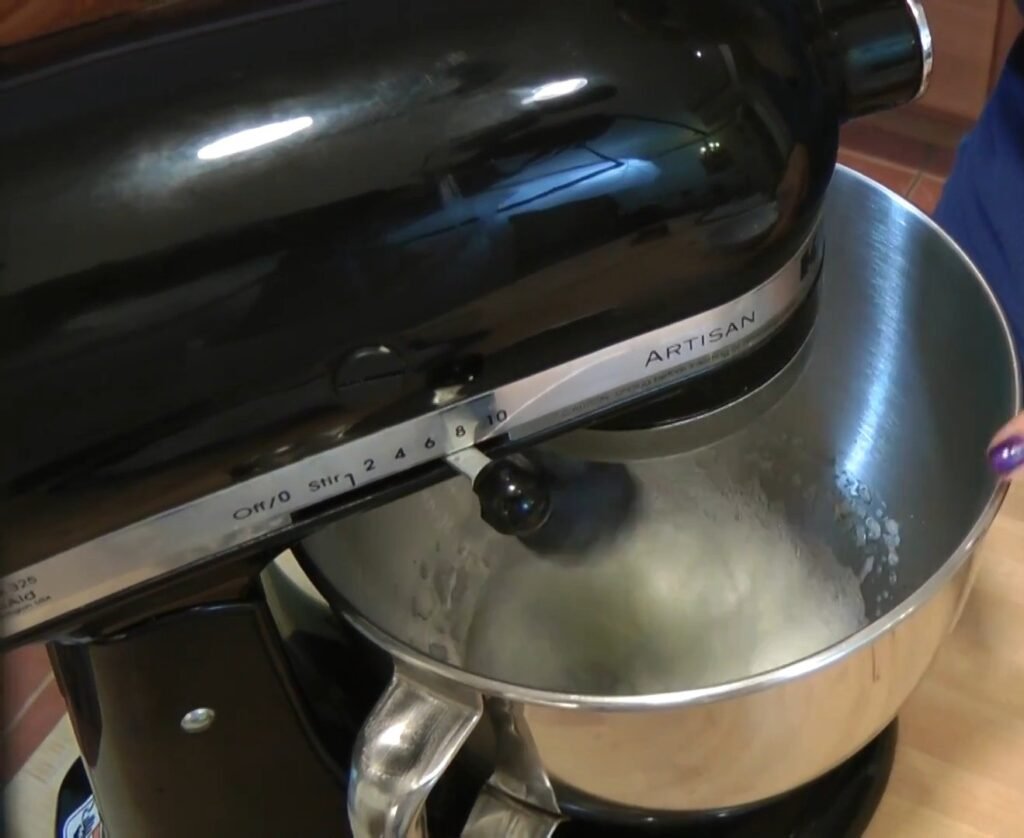
Begin whisking the egg whites on medium speed until they become foamy and opaque, which should take a minute or two. Once foamy, increase the speed to medium-high and continue whisking until the whites form stiff peaks that stand up straight when you lift the whisk, with a glossy, smooth appearance. Be careful not to overbeat; if the whites look dry, clumpy, or grainy, they have gone too far and will be difficult to fold into the coconut mixture.
Step 4: Mix the Coconut Base
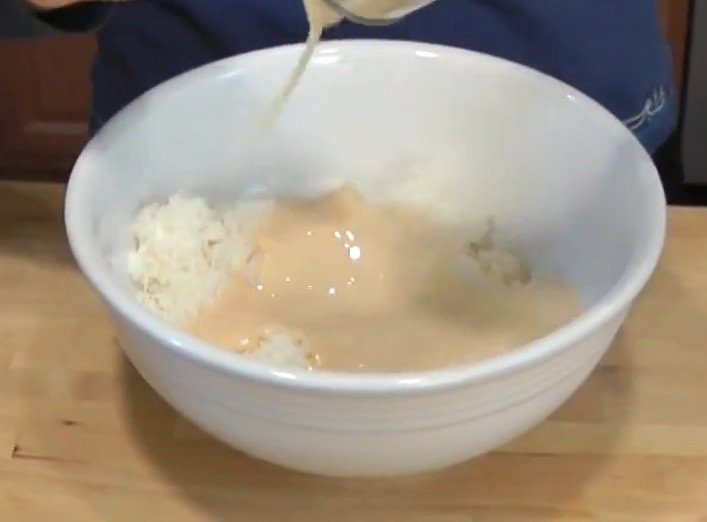
While the egg whites are whipping, combine the sweetened shredded coconut, sweetened condensed milk, vanilla extract, and almond extract in a separate large mixing bowl. Use a spatula or wooden spoon to mix until every shred of coconut is coated with condensed milk and there are no dry patches, creating a thick, sticky mixture. The condensed milk should appear evenly distributed, almost binding the coconut into a cohesive mass that will hold its shape when scooped.
Step 5: Fold the Egg Whites into the Coconut Mixture
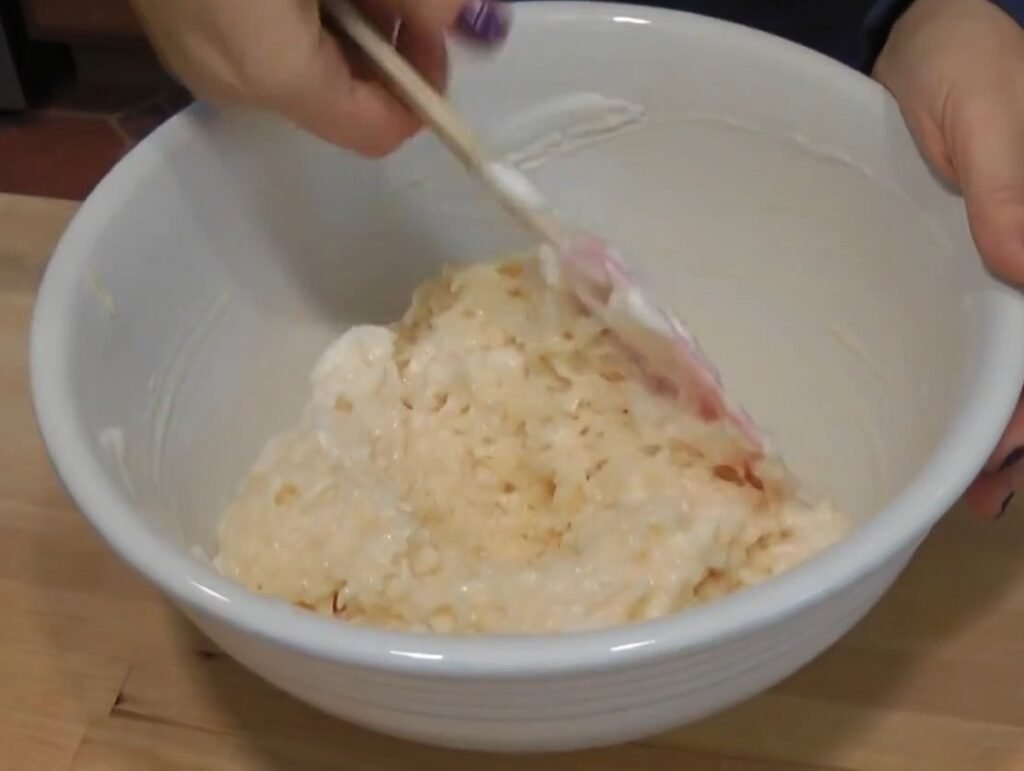
Once the egg whites reach stiff peaks, gently transfer them into the bowl containing the coconut mixture. Using a large rubber spatula, fold the egg whites in carefully: cut down through the centre of the mixture, scoop along the bottom of the bowl, and lift up and over, turning the bowl as you go. Continue folding just until no obvious streaks of egg white remain; the mixture should be lighter and slightly fluffier, but still thick enough to scoop. Avoid stirring vigorously, as this will deflate the egg whites and make the macaroons denser and less airy.
Step 6: Scoop and Shape the Macaroons
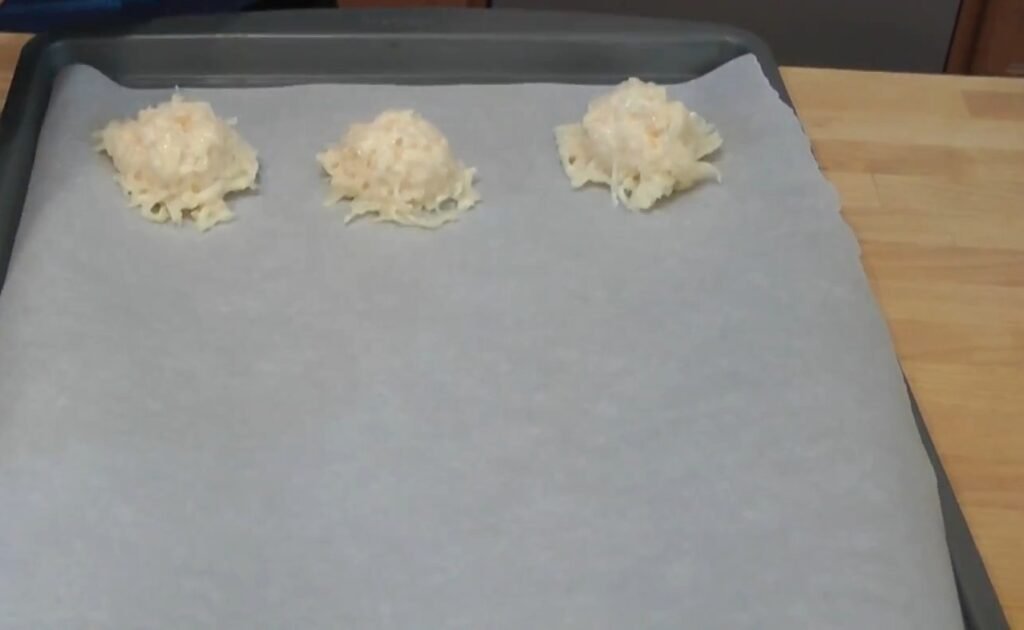
Use a small ice cream scoop or a heaped tablespoon to portion the mixture onto the prepared baking sheets, spacing each mound about 1 inch apart. Pack the mixture lightly into the scoop so the macaroons hold together, then release them onto the tray, leaving the tops slightly craggy—that uneven texture browns beautifully in the oven. If necessary, lightly dampen your fingers and tuck in any stray coconut strands so they do not burn, shaping each mound into a neat little dome.
Step 7: Bake Until Golden and Crisp
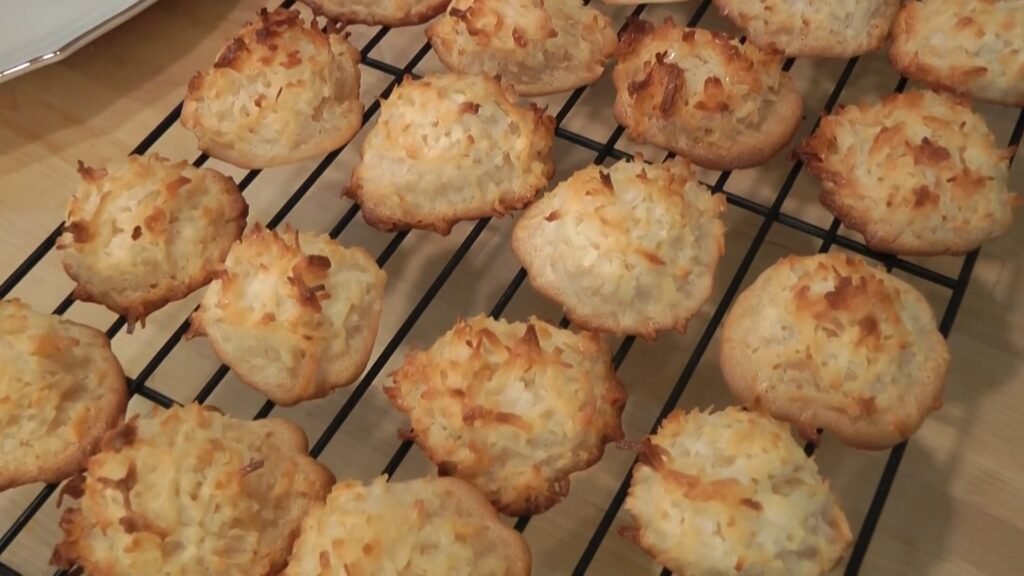
Slide the trays into the preheated oven and bake the macaroons for about 25–30 minutes, or until they are a deep golden brown on the edges and lightly golden on top. The exterior should look crisp and caramelised, while the centres remain soft and chewy; if they brown too quickly, tent loosely with foil or move the tray to a slightly higher rack. Because ovens vary, begin checking around the 22–23 minute mark, rotating the pans once halfway through baking for even colour.
Step 8: Cool and Set the Macaroons
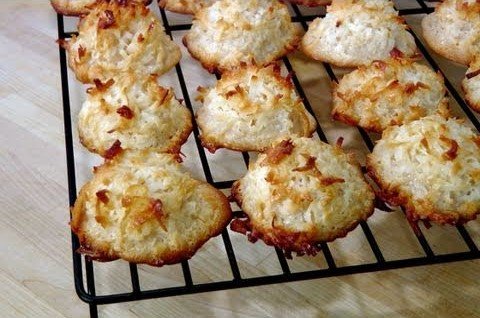
Remove the trays from the oven and allow the macaroons to cool on the baking sheets for about 5 minutes; they will be very soft right out of the oven and need time to firm up. After 5 minutes, carefully transfer them to a wire rack using a thin spatula, and let them cool completely so the centres set and the bottoms dry slightly. Once cool, the macaroons should lift easily, with crisp edges, a chewy, sticky centre, and defined coconut texture throughout.
Step 9: Serving and Storage
Serve the coconut macaroons at room temperature; they are especially good with coffee, tea, or as a bite-sized dessert on a holiday platter. Store any leftovers in an airtight container at room temperature for a few days, or refrigerate if your kitchen is warm; they will stay chewy and moist thanks to the condensed milk. For longer storage, freeze them in a single layer until solid, then transfer to a freezer bag and thaw at room temperature before serving.
Tips for Perfect Coconut Macaroons Every Time
Getting coconut macaroons just right is all about controlling moisture, texture, and baking time. Sweetened shredded coconut already contains sugar and moisture, so combining it with condensed milk creates a very sticky base; whipping and folding in egg whites introduces air and structure so the cookies do not bake up overly dense. If the mixture seems extremely loose, let it sit for a few minutes so the coconut absorbs some of the liquid, or add a tiny handful more coconut to tighten it slightly, keeping in mind that overloading with coconut can make the cookies dry.
Temperature also matters: baking at 325°F gives the coconut time to toast and the interior time to cook through without scorching the edges. If your oven runs hot, you can reduce the temperature slightly and extend the baking time by a few minutes, always keeping an eye on the colour as your best guide. The macaroons are done when the bottoms and tips are a rich golden brown but not dark, and they feel set on the outside while still yielding gently when pressed.
Properly whipped egg whites are another key detail. Room-temperature whites whip faster and to greater volume, and cream of tartar helps stabilise the foam so it does not collapse as quickly when folded into the heavy coconut mixture. Use a folding motion rather than stirring or beating; this keeps as much air as possible in the batter, improving the texture and preventing the macaroons from spreading into flat puddles.
Flavour-wise, the combination of vanilla and almond extract delivers a bakery-style aroma that complements the sweetness of condensed milk and coconut. If you prefer a stronger almond note, you can very slightly increase the almond extract, but do so cautiously as it is quite intense and can quickly overpower the vanilla. For an optional finishing touch, once the macaroons are completely cool, you can dip the bottoms in melted chocolate and let them set on parchment, adding a contrasting bittersweet edge without changing the base recipe.
Essential Equipment Guide
- Oven (preheated to 325°F)
- Baking sheets
- Parchment paper
- Electric mixer with whisk attachment
- Large mixing bowl
- Small ice cream scoop
- Wire rack
Nutritional Information
Standard coconut macaroons provide around 348 calories per serving, with 15g total fat (13g saturated), 50g carbohydrates (39g sugars, 4g fiber), 5g protein, 212mg sodium, and key vitamins like 1mg vitamin C and 132mg calcium. These values align with recipes using sweetened shredded coconut and condensed milk, though exact figures vary by batch size.
Pairings
- Hot chocolate or coffee to balance the sweetness
- Fresh berries for a tart contrast
- Dark chocolate dipping sauce for added richness
- Vanilla ice cream as a scoopable dessert topper
Variations
- Add mini chocolate chips and diced pecans for a German chocolate style
- Mix in mini chocolate chips and candied cherries with cherry flavor
- Dip cooled macaroons in melted dark chocolate and top with almonds
- Reduce sugar by using unsweetened coconut where possible
Recipe Timing
Servings: Makes 15-20 macaroons
Prep Time: 15 minutes (includes mixing egg whites to stiff peaks and folding ingredients)
Cook Time: 30 minutes (bake until golden brown and crisp)
Print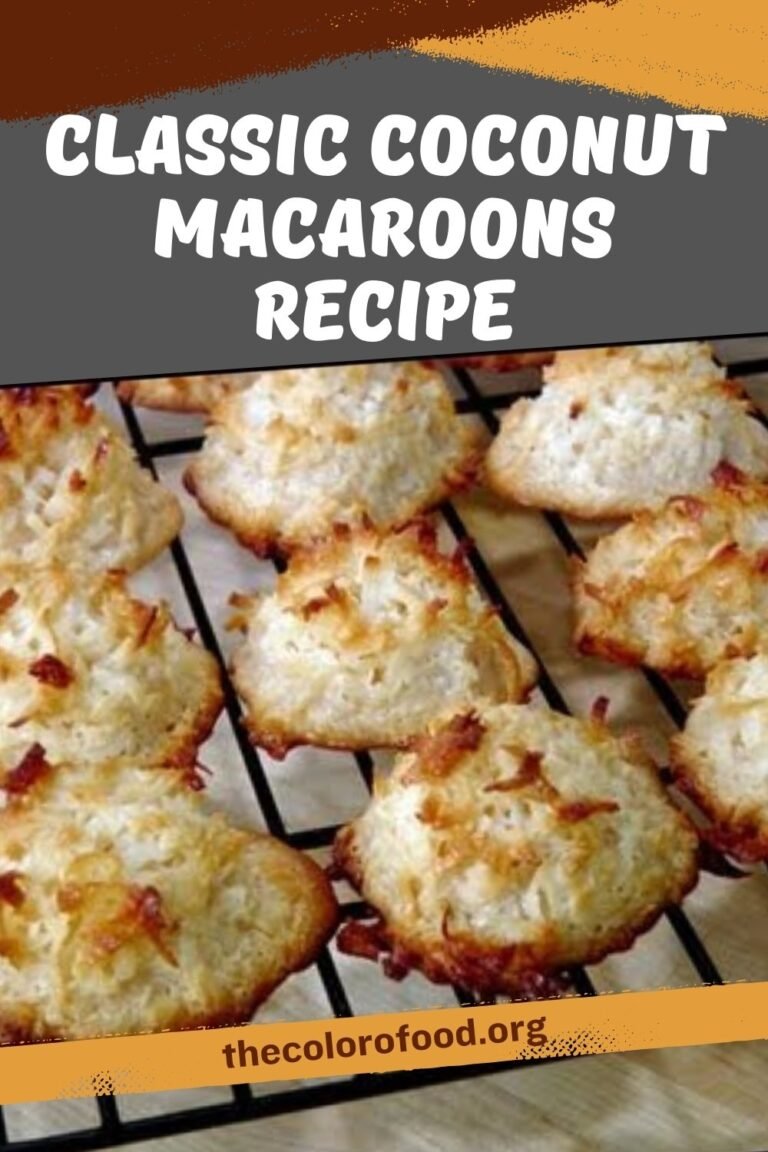
Classic Coconut Macaroons Recipe
These coconut macaroons are rich, chewy, and golden on the outside, with a soft, sticky centre that showcases sweet coconut and a hint of vanilla and almond. Using whipped egg whites lightens the mixture just enough to keep the cookies from feeling heavy, while sweetened condensed milk holds everything together and adds that classic caramelised edge.
- Total Time: 45 Mins
Ingredients
- 1 (14 oz) bag sweetened shredded coconut
- 1 (14 oz) can sweetened condensed milk
- 1 teaspoon vanilla extract
- ¼ teaspoon almond extract
- 2 egg whites, at room temperature
- ¼ teaspoon salt
- ½ teaspoon cream of tartar
This quantity makes about 15–20 macaroons, depending on the size of your scoop.
Instructions
Preheat your oven to 325°F (about 160°C), a moderately low temperature that lets the macaroons dry out and brown gently without burning the coconut. Line two baking sheets with parchment paper, making sure the parchment lies flat so the macaroons bake evenly and do not stick. If you do not have parchment, use silicone baking mats; avoid greasing the pan directly, as extra fat can cause the bottoms to spread and over-brown.
Step 2: Set Up the Egg Whites for Whipping
Place the room-temperature egg whites into the bowl of a stand mixer fitted with the whisk attachment, or in a large, clean metal or glass bowl if using a hand mixer. Add the salt and cream of tartar to the egg whites; these two ingredients help stabilise the foam so it whips up higher and holds its shape better. Make sure there is absolutely no trace of egg yolk, grease, or water in the bowl, as any fat can prevent the whites from whipping properly and reaching stiff peaks.
Step 3: Whip the Egg Whites to Stiff Peaks
Begin whisking the egg whites on medium speed until they become foamy and opaque, which should take a minute or two. Once foamy, increase the speed to medium-high and continue whisking until the whites form stiff peaks that stand up straight when you lift the whisk, with a glossy, smooth appearance. Be careful not to overbeat; if the whites look dry, clumpy, or grainy, they have gone too far and will be difficult to fold into the coconut mixture.
Step 4: Mix the Coconut Base
While the egg whites are whipping, combine the sweetened shredded coconut, sweetened condensed milk, vanilla extract, and almond extract in a separate large mixing bowl. Use a spatula or wooden spoon to mix until every shred of coconut is coated with condensed milk and there are no dry patches, creating a thick, sticky mixture. The condensed milk should appear evenly distributed, almost binding the coconut into a cohesive mass that will hold its shape when scooped.
Step 5: Fold the Egg Whites into the Coconut Mixture
Once the egg whites reach stiff peaks, gently transfer them into the bowl containing the coconut mixture. Using a large rubber spatula, fold the egg whites in carefully: cut down through the centre of the mixture, scoop along the bottom of the bowl, and lift up and over, turning the bowl as you go. Continue folding just until no obvious streaks of egg white remain; the mixture should be lighter and slightly fluffier, but still thick enough to scoop. Avoid stirring vigorously, as this will deflate the egg whites and make the macaroons denser and less airy.
Step 6: Scoop and Shape the Macaroons
Use a small ice cream scoop or a heaped tablespoon to portion the mixture onto the prepared baking sheets, spacing each mound about 1 inch apart. Pack the mixture lightly into the scoop so the macaroons hold together, then release them onto the tray, leaving the tops slightly craggy—that uneven texture browns beautifully in the oven. If necessary, lightly dampen your fingers and tuck in any stray coconut strands so they do not burn, shaping each mound into a neat little dome.
Step 7: Bake Until Golden and Crisp
Slide the trays into the preheated oven and bake the macaroons for about 25–30 minutes, or until they are a deep golden brown on the edges and lightly golden on top. The exterior should look crisp and caramelised, while the centres remain soft and chewy; if they brown too quickly, tent loosely with foil or move the tray to a slightly higher rack. Because ovens vary, begin checking around the 22–23 minute mark, rotating the pans once halfway through baking for even colour.
Step 8: Cool and Set the Macaroons
Remove the trays from the oven and allow the macaroons to cool on the baking sheets for about 5 minutes; they will be very soft right out of the oven and need time to firm up. After 5 minutes, carefully transfer them to a wire rack using a thin spatula, and let them cool completely so the centres set and the bottoms dry slightly. Once cool, the macaroons should lift easily, with crisp edges, a chewy, sticky centre, and defined coconut texture throughout.
Step 9: Serving and Storage
Serve the coconut macaroons at room temperature; they are especially good with coffee, tea, or as a bite-sized dessert on a holiday platter. Store any leftovers in an airtight container at room temperature for a few days, or refrigerate if your kitchen is warm; they will stay chewy and moist thanks to the condensed milk. For longer storage, freeze them in a single layer until solid, then transfer to a freezer bag and thaw at room temperature before serving.
- Prep Time: 15 Mins
- Cook Time: 30 Mins