

The art of sourdough focaccia merges the comforting texture of a classic Italian bread with the tangy complexity that only a well-tended sourdough starter can provide. Imagine biting into a slice of focaccia that is both soft and rich in flavor, with a golden crust topped with fragrant olive oil and herbs. This recipe transports you to the sun-drenched coasts of Liguria, where focaccia has been perfected over centuries.
Whether it’s a cozy fall evening or an al fresco summer gathering, this sourdough focaccia will elevate your meal with its irresistible aroma and taste. I stumbled upon this recipe during a culinary workshop in Italy, where bakers shared the secrets that make their focaccia exceptional.
It’s time to bring a piece of that Italian tradition into your kitchen.
The History and Cultural Significance

• Irresistibly Soft and Flavorful Sourdough Focaccia traces its origins to Liguria, Italy, where it was originally created by local bakers using simple ingredients like flour, water, and olive oil.
• The dish evolved over decades as bakers experimented with sourdough starters, which added a unique tang and depth of flavor, eventually becoming the beloved version we know today.
• In Ligurian culture, this dish traditionally appears at communal gatherings and festive occasions, symbolizing hospitality and sharing.
• While many variations exist across different regions, the authentic version maintains its unique airy texture and crispy crust that sets it apart from imitations.
Recipe Overview
Nutritional Information (per serving)
Essential Equipment Guide
Mixing Bowl: A large mixing bowl is essential for combining ingredients and allowing the dough to rise. Look for a bowl with a smooth interior to prevent sticking. Alternatives include a large glass or stainless steel bowl.
Kitchen Scale: Precision is key in baking, and a kitchen scale ensures you’re using the correct amount of each ingredient. Look for a scale with a tare function. Alternatives include measuring cups, but these can be less accurate.
Baking Sheet: A high-quality baking sheet ensures even cooking and a crispy base. Choose a sheet with a non-stick surface or line it with parchment paper. Alternatives include a cast iron skillet for a rustic presentation.
Ingredients
For the Dough
|
|
| Amount | Ingredient | Notes |
|---|---|---|
| 500 grams | bread flour | provides structure |
| 350 grams | water | lukewarm, hydrates dough |
| 150 grams | sourdough starter | active, for fermentation |
| 10 grams | salt | enhances flavor |
For the Topping
| Amount | Ingredient | Notes |
|---|---|---|
| 3 tablespoons | olive oil | adds richness and flavor |
| 1 tablespoon | coarse sea salt | for texture and flavor |
| 2 sprigs | fresh rosemary | for aroma and taste |
Preparation Methods
Autolysis: This technique involves mixing flour and water and letting it rest before adding other ingredients. It helps gluten formation and improves dough elasticity. Master autolysis by ensuring your water is lukewarm and resting the dough for at least 30 minutes.
Folding: Instead of kneading, folding the dough develops gluten gently without deflating the dough. Use wet hands to perform four folds at 30-minute intervals, lifting and folding the dough over itself.
Bulk Fermentation: The process where the dough rises as yeast ferments the sugars. Ensure the dough is kept in a warm place, around 75°F (24°C), for optimal fermentation.
Step 1: Prepare Ingredients

Gather all ingredients and measure them accurately.
Ensure your sourdough starter is active and bubbly.
Use a kitchen scale for precise measurements.
Keep the ingredients at room temperature for even mixing.
Step 2: Mix Dough

In a large mixing bowl, combine flour and water using a spatula.
Cover and let it rest for 30 minutes for autolysis.
After resting, add the sourdough starter and salt.
Mix until a rough dough forms.
Step 3: Perform First Fold

Wet your hands to prevent sticking.
Gently lift one side of the dough and fold it over.
Rotate the bowl and repeat the fold three more times.
Cover and let the dough rest for 30 minutes.
Step 4: Continue Folding

Repeat the folding process every 30 minutes three more times.
Notice the dough becoming smoother and more elastic.
Each fold strengthens the gluten structure.
Keep the bowl covered during rest periods.
Step 5: Bulk Fermentation

Cover the bowl tightly with plastic wrap.
Let the dough rise at room temperature for 4-6 hours.
The dough should double in size and be bubbly.
Ensure the area is warm and draft-free.
Step 6: Prepare Baking Sheet

Generously oil a baking sheet with olive oil.
Transfer the risen dough onto the sheet.
Gently stretch it to fit the shape of the pan.
Use your fingertips to create dimples across the surface.
Step 7: Proof and Preheat

Cover the dough with a damp cloth.
Let it proof for another 30-45 minutes.
Meanwhile, preheat your oven to 450°F (232°C).
The dough should rise slightly and fill the pan.
Step 8: Add Toppings and Bake
Drizzle olive oil over the dough.
Sprinkle with coarse sea salt and fresh rosemary.
Bake in the preheated oven for 20-25 minutes.
Look for a golden-brown crust and aromatic toppings.
Step 9: Cool and Serve

Remove the focaccia from the oven.
Let it cool slightly on a wire rack.
Slice into squares or rectangles for serving.
Enjoy warm or at room temperature.
Critical Timing and Temperature Guide
Mixing and Autolysis: Mix flour and water, then rest for 30 minutes. Ensure water is lukewarm to activate gluten development. Avoid resting too long, which can lead to over-hydration.
Folding and Bulk Fermentation: Perform folds every 30 minutes during the first 2 hours, and allow a total bulk fermentation of 4-6 hours at 75°F (24°C). Over-fermentation can cause sourness and weaken dough structure.
Baking: Bake at 450°F (232°C) for 20-25 minutes. Look for a golden-brown crust. Under-baking results in a doughy center, while over-baking dries the focaccia.
Pro Tips for Irresistibly Soft and Flavorful Sourdough Focaccia
• Ingredient Selection: Use high-protein bread flour for better gluten development, and choose a robust, fruity olive oil for flavor.
• Preparation Secret: Allow the dough to rest overnight in the fridge for an enhanced flavor profile and improved texture.
• Temperature Management: Maintain a consistent warm environment for fermentation to ensure proper yeast activity.
• Texture Enhancement: Master the folding technique to develop gluten without deflating the dough for an airy crumb.
• Flavor Layering: Incorporate fresh herbs like rosemary directly into the dough for a subtle flavor infusion.
• Make-Ahead Strategies: Prepare the dough up to the bulk fermentation stage and refrigerate for up to 24 hours, then bring to room temperature before baking.
• Restaurant-Quality Finishing Touches: Brush the baked focaccia with a light layer of olive oil and sprinkle with flaky sea salt just before serving.
• Equipment Optimization: Use a baking stone for even heat distribution and a crispier crust.
Troubleshooting Common Issues
• Texture Too Dense: Often caused by insufficient fermentation or under-kneading. Ensure your sourdough starter is active and bubbly before use.
• Flavors Unbalanced: Over-fermentation can lead to excessive sourness. Monitor fermentation times closely and adjust according to your starter's activity.
• Dough Too Sticky: This can happen if too much water is added or if the dough is under-kneaded. Consider reducing water slightly or adding more folds.
• Crust Too Hard: Over-baking or insufficient oil can lead to a hard crust. Make sure to monitor baking time and use ample olive oil.
• Insufficient Rise: Usually due to inactive starter or cold fermentation environment. Ensure your starter is well-fed and fermentation area is warm.
Variations and Regional Differences
• Genovese Style: This version uses generous amounts of olive oil and is often topped with onions or olives, reflecting the abundance of these ingredients in the region.
• Tuscan Schiacciata: Similar to focaccia but thinner and often flavored with grapes or sugar, served during the grape harvest season.
• Apulian Focaccia: Known for its use of durum wheat semolina flour and often topped with cherry tomatoes and olives.
• Sweet Focaccia: In some regions, focaccia is made sweet with additions like sugar, honey, or cinnamon, often served as a dessert.
Food Science Behind the Recipe
• Role of Gluten: Gluten development is crucial for the structure and chewiness of focaccia. The folding technique strengthens gluten networks without overworking the dough.
• Fermentation Process: The sourdough fermentation process not only leavens the bread but also improves digestibility and creates complex flavors through the breakdown of carbohydrates and proteins.
• Maillard Reaction: This chemical reaction between amino acids and reducing sugars gives the focaccia its golden-brown crust and enhances its savory flavors.
Frequently Asked Questions
What's the most common mistake people make when preparing sourdough focaccia? The most common mistake is not allowing enough time for the dough to ferment properly, leading to a dense texture.
Can I use all-purpose flour instead of bread flour? While possible, using all-purpose flour may result in a less chewy texture due to the lower protein content.
How do I know if my sourdough starter is ready to use? Your starter is ready when it is bubbly and has doubled in size within 4-6 hours after feeding.
Why is my focaccia dough so sticky? A sticky dough is normal but can be managed by keeping your hands and tools lightly oiled during handling.
How can I store leftover focaccia? Store leftovers in an airtight container at room temperature for up to 2 days or freeze for longer storage.
Can I add different toppings? Yes, feel free to experiment with toppings like olives, tomatoes, or cheese for added flavor.
Is it necessary to use a sourdough starter? While traditional recipes use sourdough, you can substitute with commercial yeast for a quicker version, though the flavor will differ.
Serving and Presentation Guide
• Traditional Presentation: Serve focaccia warm, sliced into squares, with a side of olive oil for dipping.
• Gourmet Platter: Pair focaccia with an assortment of cheeses, cured meats, and olives for an antipasto platter.
• Brunch Spread: Serve alongside eggs and fresh fruit for a Mediterranean-inspired brunch.
• Simple Elegance: Garnish with fresh herbs and flaky sea salt for a rustic yet elegant presentation.
Conclusion
Creating irresistibly soft and flavorful sourdough focaccia at home is a rewarding culinary experience.
By following this detailed guide, you will bring a taste of Italy to your table, delighting family and friends alike.
Take the time to master the techniques, and you'll be rewarded with a focaccia that's both delicious and memorable.
Print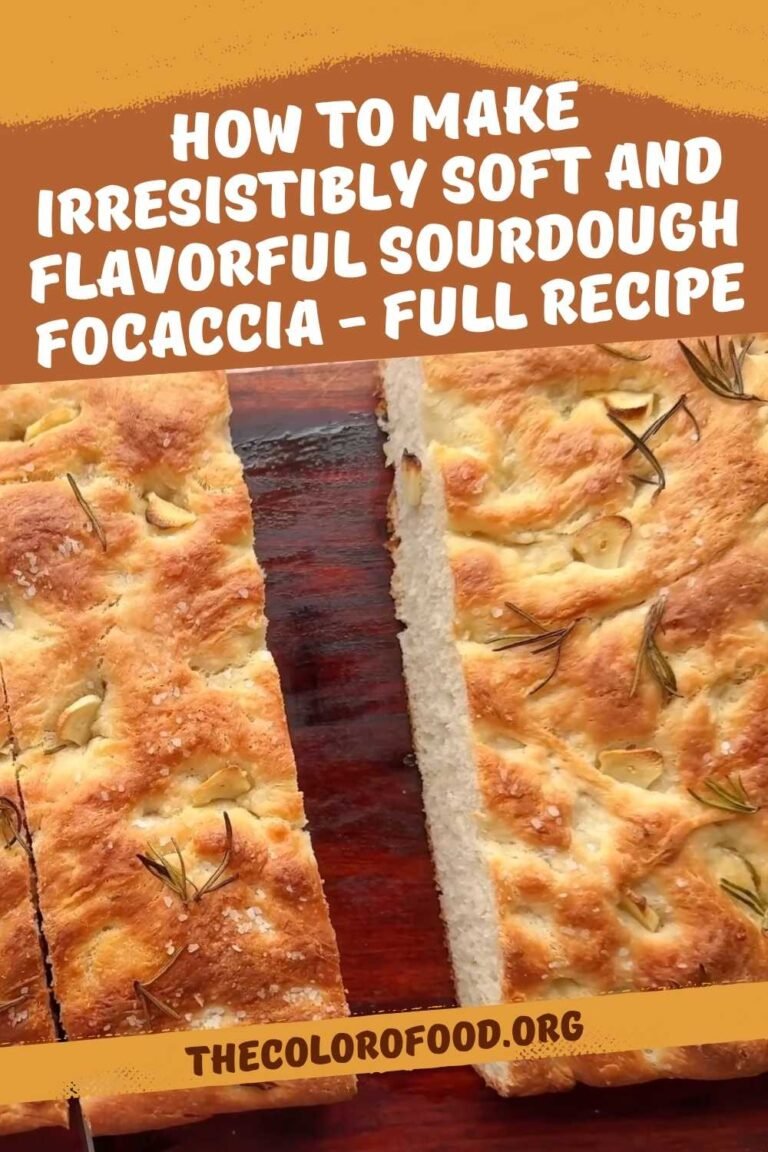
How to Make Irresistibly Soft and Flavorful Sourdough Focaccia – Full Recipe
The art of sourdough focaccia merges the comforting texture of a classic Italian bread with the tangy complexity that only a well-tended sourdough starter can provide. Imagine biting into a slice of focaccia that is both soft and rich in flavor, with a golden crust topped with fragrant olive oil and herbs. This recipe transports you to the sun-drenched coasts of Liguria, where focaccia has been perfected over centuries.
Whether it’s a cozy fall evening or an al fresco summer gathering, this sourdough focaccia will elevate your meal with its irresistible aroma and taste. I stumbled upon this recipe during a culinary workshop in Italy, where bakers shared the secrets that make their focaccia exceptional.
- Total Time: 205 Mins
Ingredients
bread flour
water
sourdough starter
salt
olive oil
coarse sea salt
fresh rosemary
Instructions
Gather all ingredients and measure them accurately.
Ensure your sourdough starter is active and bubbly.
Use a kitchen scale for precise measurements.
Keep the ingredients at room temperature for even mixing.
Step 2: Mix DoughIn a large mixing bowl, combine flour and water using a spatula.
Cover and let it rest for 30 minutes for autolysis.
After resting, add the sourdough starter and salt.
Mix until a rough dough forms.
Step 3: Perform First FoldWet your hands to prevent sticking.
Gently lift one side of the dough and fold it over.
Rotate the bowl and repeat the fold three more times.
Cover and let the dough rest for 30 minutes.
Step 4: Continue FoldingRepeat the folding process every 30 minutes three more times.
Notice the dough becoming smoother and more elastic.
Each fold strengthens the gluten structure.
Keep the bowl covered during rest periods.
Step 5: Bulk FermentationCover the bowl tightly with plastic wrap.
Let the dough rise at room temperature for 4-6 hours.
The dough should double in size and be bubbly.
Ensure the area is warm and draft-free.
Step 6: Prepare Baking SheetGenerously oil a baking sheet with olive oil.
Transfer the risen dough onto the sheet.
Gently stretch it to fit the shape of the pan.
Use your fingertips to create dimples across the surface.
Step 7: Proof and PreheatCover the dough with a damp cloth.
Let it proof for another 30-45 minutes.
Meanwhile, preheat your oven to 450°F (232°C).
The dough should rise slightly and fill the pan.
Step 8: Add Toppings and BakeDrizzle olive oil over the dough.
Sprinkle with coarse sea salt and fresh rosemary.
Bake in the preheated oven for 20-25 minutes.
Look for a golden-brown crust and aromatic toppings.
Step 9: Cool and ServeRemove the focaccia from the oven.
Let it cool slightly on a wire rack.
Slice into squares or rectangles for serving.
Enjoy warm or at room temperature.
Critical Timing and Temperature GuideMixing and Autolysis: Mix flour and water, then rest for 30 minutes. Ensure water is lukewarm to activate gluten development. Avoid resting too long, which can lead to over-hydration.
Folding and Bulk Fermentation: Perform folds every 30 minutes during the first 2 hours, and allow a total bulk fermentation of 4-6 hours at 75°F (24°C). Over-fermentation can cause sourness and weaken dough structure.
Baking: Bake at 450°F (232°C) for 20-25 minutes. Look for a golden-brown crust. Under-baking results in a doughy center, while over-baking dries the focaccia.
- Prep Time: 180 Mins
- Cook Time: 25 Mins