

Egg bites offer a soft, custardy texture that’s perfect for meal prep or quick breakfasts, mimicking popular store-bought versions but made easily at home. This recipe draws directly from my demonstration, blending simple ingredients for versatile, protein-packed bites. Customize with your favorite toppings for endless variations.
Ingredients
Gather these straightforward items to yield about 12 egg bites :
- 9 large eggs
- 1/3 cup cottage cheese (full-fat for creaminess)
- 4 oz sharp cheddar cheese, shredded (or substitute Gruyere, American, or Swiss for varied flavor)
- Salt and pepper, to taste
- 2/3 cup toppings of choice, such as 1/2 cup cooked crumbled bacon or mixed cooked veggies (e.g., finely diced zucchini, red bell pepper, shallot, spinach, yellow squash, or broccoli)
Prep Your Equipment
Start by preheating your oven to 325°F, a key temperature for achieving the signature bouncy, sule-like texture without overcooking. Use a silicone muffin pan for effortless release, I recommend this for its non-stick properties and easy popping out of the bites—or opt for a standard muffin tin lined with parchment paper muffin liners sprayed generously with non-stick spray.
Place the muffin pan inside a larger baking dish or sheet pan; this setup allows you to create a gentle water bath later, which steams the bites for their melt-in-your-mouth softness. Have a blender ready, as high-powered blending incorporates air essential for the light, velvety custard base. Cooling the toppings completely prevents them from curdling the egg mixture or sinking unevenly .
Cook the Toppings
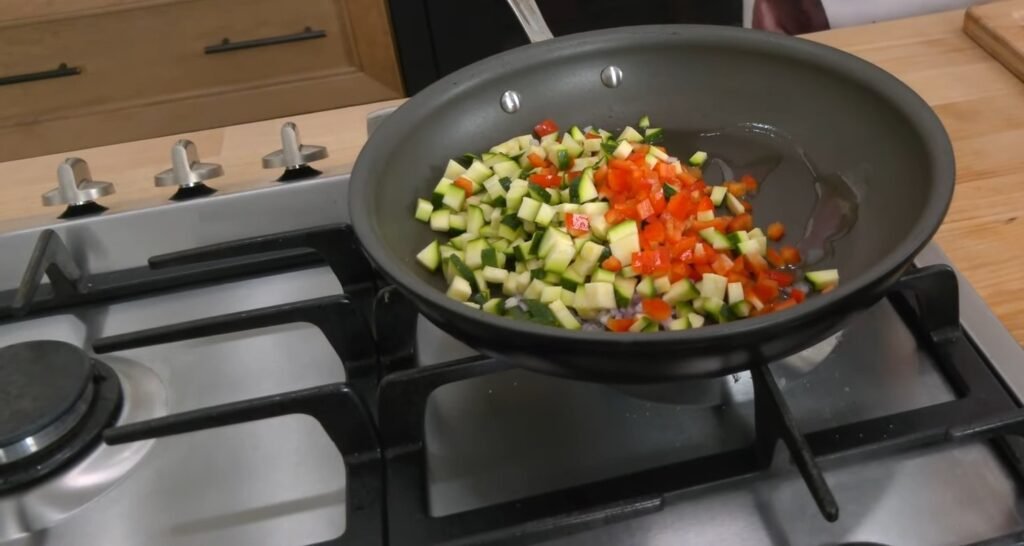
Select and prepare 2/3 cup of your chosen toppings first to ensure they integrate seamlessly without excess moisture. For a veggie version, finely dice fresh zucchini from the garden, a small red bell pepper, and one shallot—these release just enough water when cooked to add flavor without sogginess.
Heat a skillet over medium with a touch of oil, add the veggies, and sauté until softened, about 5-7 minutes, seasoning with a pinch of salt to draw out flavors. Stir frequently to avoid browning; the goal is tender, not crispy, pieces that enhance each bite.
If skipping veggies, cook 1/2 cup bacon or breakfast sausage until crumbled and fully rendered, draining excess fat. Spread the cooked toppings on a plate to cool completely rushing this step weighs down the custard, ruining the airy rise you’re after. This cooling phase, often overlooked, is crucial for texture perfection.
Blend the Custard Base
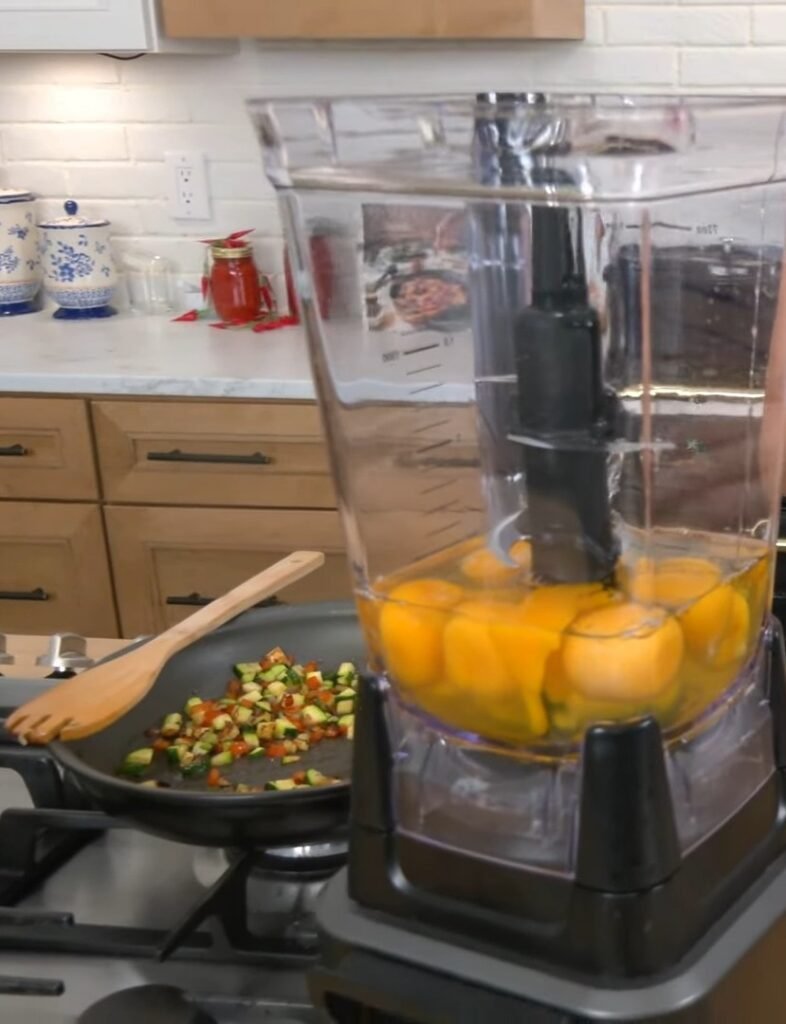
With toppings cooling, crack 9 large eggs into a blender, add 1/3 cup cottage cheese for protein boost and creaminess, and 4 oz shredded sharp cheddar (white or yellow works equally well) . Season generously with salt and freshly ground pepper—these bites need bold flavor since the custard mutes subtleties.
Secure the lid tightly and blend on high for a full minute; this vigorous action whips air into the mixture, mimicking the fluffy sous-vide effect of commercial versions. Pause briefly if needed to scrape down sides, ensuring even blending—no hand-whisking or food processor will replicate this aeration. The result is a smooth, pale yellow batter with tiny cheese flecks and a slightly frothy top, ready to envelop your toppings. Blending transforms basic ingredients into a luxurious base that’s higher in protein than typical omelets.
Fill and Set Up Water Bath

Spoon 1-2 teaspoons of cooled toppings into each muffin cup, distributing evenly but sparingly—a little goes far to avoid dense spots. Carefully pour the blended custard over the toppings, filling cups nearly to the brim; tap the pan gently on the counter to release air bubbles and settle the mixture.
Place the pan in your larger baking dish, then pour hot water into the outer dish until it reaches halfway up the muffin cups—this bain-marie method gently steams the bites, preventing cracks and ensuring even cooking. Slide into the preheated 325°F oven without spilling; the water bath is non-negotiable for that velvety texture I rave about, like biting into a cloud. Double-check seals on silicone molds if using, as they hold shape beautifully during baking.
Bake to Perfection
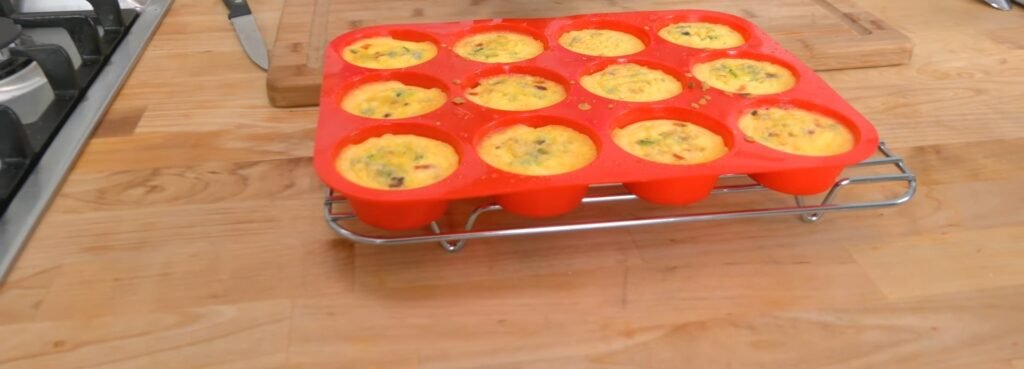
Bake undisturbed for 20-25 minutes; at 25 minutes, the bites should jiggle slightly in the center like Jell-O but feel firm and bouncy to a light touch . Edges set first, pulling slightly from the pan sides, while centers remain custardy—overbaking leads to rubbery results, so rely on visual cues over strict timing.
Turn off the oven, crack the door, and let them rest 5-10 minutes in residual heat for carryover cooking. The water bath ensures no dry spots, yielding bites that steam invitingly upon removal. Patience here pays off, as fully cooled bites hold shape best and reveal their optimal squish.
Cool and Serve
Remove the pan from the water bath and cool on a wire rack for at least 20-30 minutes—ideally longer, as warm bites firm up for clean slicing. Silicone molds shine here: gently push edges to pop out perfect rounds; for metal tins, run a knife around edges post-cooling.
Slice one open to admire the cross-section—velvety egg threaded with cheese and toppings, no watery separations. Serve chilled or room temperature for meal prep portability, reheating gently in microwave if desired. Store in an airtight container up to 5 days in fridge or freeze for grab-and-go ease.
Comprehensive Tips for Success
Achieving restaurant-quality egg bites hinges on details that elevate texture, flavor, and convenience, as demonstrated by my foolproof method. First, prioritize cooling: Hot toppings release steam into the batter, creating pockets that deflate during baking and yield uneven density—always spread them thin on a plate and wait 10-15 full minutes, using this time to blend undisturbed. Ingredient swaps shine for versatility; while sharp cheddar delivers tang,
Gruyere adds nutty depth, American melts ultra-smooth for kids, and Swiss brings mild earthiness—experiment but shred your own cheese to avoid anti-caking agents that hinder creaminess. Cottage cheese isn’t optional: Its curds blend invisibly, boosting protein by 20 grams per batch while mimicking sous-vide richness without fancy equipment. Blending duration matters—under 45 seconds leaves lumps, over 90 risks over-whipping into foam that collapses; hit exactly one minute for peak aeration.
Water bath precision prevents 90% of failures: Use near-boiling water poured post-filling to minimize oven steam, aiming for exactly halfway up the cups—too little dries edges, too many floats the pan. Oven placement mid-rack ensures even heat; convection fans can speed cooking, so check at 18 minutes.
Non-stick vigilance saves heartbreak: Spray molds liberally, even silicone, as cheese can cling during cooling. For veggie lovers, sauté extras like spinach (wilted and squeezed dry) or broccoli (blanched first) to concentrate flavors without bitterness—aim for 2/3 cup total post-cooking shrinkage. Bacon or sausage demands full draining on paper towels, residual grease seeps into custard, muting delicacy.
Scaling up? Double ingredients but bake in batches—overcrowding drops oven temp, extending time. Freezing works wonders: Flash-freeze on a tray, then bag for 2-month storage; thaw overnight and reheat at 50% power to retain bounce. Flavor boosts include a dash of hot sauce in the blender for kick or herbs like chives folded into toppings.
Troubleshooting: Soupy centers mean underbaking or insufficient blending—test by pressing gently; puffed tops signal high oven temp, so verify thermometer accuracy. Nutrition perks make these ideal for busy mornings: High-protein (12g per bite), low-carb, and customizable for keto or veggie diets. Pair with avocado toast or fruit for balanced plates. Cleanup simplifies with silicone—rinse under hot water, no soaking. These bites rival Dunkin’ or Starbucks at a fraction of cost, empowering home cooks with pro results every time.
Essential Equipment Guide
- Blender
- Silicone muffin tin (12-piece)
- Larger baking pan (e.g., 9×13-inch)
Nutritional Information
Egg bites provide high protein from eggs and cottage cheese, with customizable calories based on toppings like veggies or bacon. Approximate values per serving (1/12th, plain base without toppings): around 100-120 calories, 8g protein, 7g fat, 1g carbs, varying by cheese and add-ins.
Pairings
- Fresh fruit salad for a balanced breakfast
- Avocado toast to add healthy fats
- Green smoothie for extra veggies
- Coffee or tea as a quick meal-prep companion
Variations
- Bacon and cheddar: Use 1/2 cup cooked crumbled bacon
- Veggie mix: Add 2/3 cup cooked spinach, peppers, or broccoli
- Gruyere cheese swap for sharp cheddar for nuttier flavor
- Ham and Swiss: Replace toppings with diced ham
Recipe Timing
- Prep Time: 15 minutes
- Cook Time: 30 minutes
- Servings: 12

Egg Bites Recipe for Meal Prep Lovers
Egg bites offer a soft, custardy texture that’s perfect for meal prep or quick breakfasts, mimicking popular store-bought versions but made easily at home. This recipe draws directly from my demonstration, blending simple ingredients for versatile, protein-packed bites. Customize with your favorite toppings for endless variations.
- Total Time: 45 Mins
Ingredients
Gather these straightforward items to yield about 12 egg bites :
- 9 large eggs
- 1/3 cup cottage cheese (full-fat for creaminess)
- 4 oz sharp cheddar cheese, shredded (or substitute Gruyere, American, or Swiss for varied flavor)
- Salt and pepper, to taste
- 2/3 cup toppings of choice, such as 1/2 cup cooked crumbled bacon or mixed cooked veggies (e.g., finely diced zucchini, red bell pepper, shallot, spinach, yellow squash, or broccoli)
Instructions
Start by preheating your oven to 325°F, a key temperature for achieving the signature bouncy, sule-like texture without overcooking. Use a silicone muffin pan for effortless release, I recommend this for its non-stick properties and easy popping out of the bites—or opt for a standard muffin tin lined with parchment paper muffin liners sprayed generously with non-stick spray.
Place the muffin pan inside a larger baking dish or sheet pan; this setup allows you to create a gentle water bath later, which steams the bites for their melt-in-your-mouth softness. Have a blender ready, as high-powered blending incorporates air essential for the light, velvety custard base. Cooling the toppings completely prevents them from curdling the egg mixture or sinking unevenly.
Cook the ToppingsSelect and prepare 2/3 cup of your chosen toppings first to ensure they integrate seamlessly without excess moisture. For a veggie version, finely dice fresh zucchini from the garden, a small red bell pepper, and one shallot—these release just enough water when cooked to add flavor without sogginess.
Heat a skillet over medium with a touch of oil, add the veggies, and sauté until softened, about 5-7 minutes, seasoning with a pinch of salt to draw out flavors. Stir frequently to avoid browning; the goal is tender, not crispy, pieces that enhance each bite.
If skipping veggies, cook 1/2 cup bacon or breakfast sausage until crumbled and fully rendered, draining excess fat. Spread the cooked toppings on a plate to cool completely rushing this step weighs down the custard, ruining the airy rise you’re after. This cooling phase, often overlooked, is crucial for texture perfection.
Blend the Custard BaseWith toppings cooling, crack 9 large eggs into a blender, add 1/3 cup cottage cheese for protein boost and creaminess, and 4 oz shredded sharp cheddar (white or yellow works equally well) . Season generously with salt and freshly ground pepper—these bites need bold flavor since the custard mutes subtleties.
Secure the lid tightly and blend on high for a full minute; this vigorous action whips air into the mixture, mimicking the fluffy sous-vide effect of commercial versions. Pause briefly if needed to scrape down sides, ensuring even blending—no hand-whisking or food processor will replicate this aeration. The result is a smooth, pale yellow batter with tiny cheese flecks and a slightly frothy top, ready to envelop your toppings. Blending transforms basic ingredients into a luxurious base that’s higher in protein than typical omelets.
Fill and Set Up Water BathSpoon 1-2 teaspoons of cooled toppings into each muffin cup, distributing evenly but sparingly—a little goes far to avoid dense spots. Carefully pour the blended custard over the toppings, filling cups nearly to the brim; tap the pan gently on the counter to release air bubbles and settle the mixture.
Place the pan in your larger baking dish, then pour hot water into the outer dish until it reaches halfway up the muffin cups—this bain-marie method gently steams the bites, preventing cracks and ensuring even cooking. Slide into the preheated 325°F oven without spilling; the water bath is non-negotiable for that velvety texture I rave about, like biting into a cloud. Double-check seals on silicone molds if using, as they hold shape beautifully during baking.
Bake to PerfectionBake undisturbed for 20-25 minutes; at 25 minutes, the bites should jiggle slightly in the center like Jell-O but feel firm and bouncy to a light touch . Edges set first, pulling slightly from the pan sides, while centers remain custardy—overbaking leads to rubbery results, so rely on visual cues over strict timing.
Turn off the oven, crack the door, and let them rest 5-10 minutes in residual heat for carryover cooking. The water bath ensures no dry spots, yielding bites that steam invitingly upon removal. Patience here pays off, as fully cooled bites hold shape best and reveal their optimal squish.
Cool and ServeRemove the pan from the water bath and cool on a wire rack for at least 20-30 minutes—ideally longer, as warm bites firm up for clean slicing. Silicone molds shine here: gently push edges to pop out perfect rounds; for metal tins, run a knife around edges post-cooling.
Slice one open to admire the cross-section—velvety egg threaded with cheese and toppings, no watery separations. Serve chilled or room temperature for meal prep portability, reheating gently in microwave if desired. Store in an airtight container up to 5 days in fridge or freeze for grab-and-go ease.
- Prep Time: 15 Mins
- Cook Time: 30 Mins