
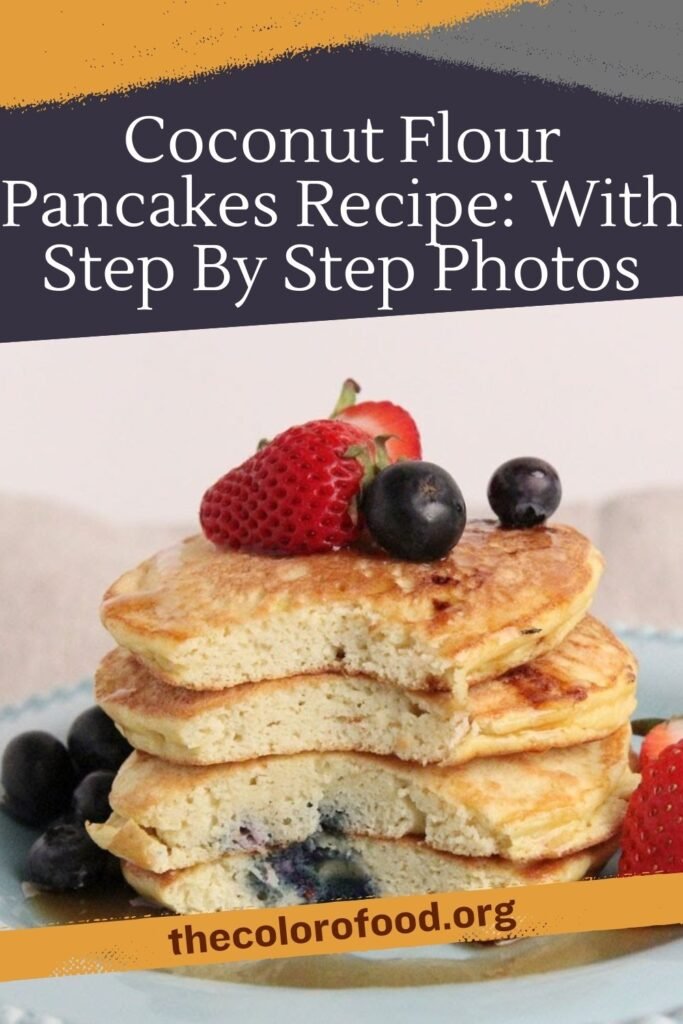
If you’re looking for a wholesome, grain-free breakfast that still feels indulgent and satisfying, these coconut flour pancakes are exactly what you need. Made with simple ingredients and a technique that ensures maximum fluffiness, this recipe delivers soft, tender pancakes with a delicate coconut flavor and a beautifully golden exterior.
Unlike traditional pancakes, coconut flour behaves very differently, absorbing more liquid and requiring careful mixing and folding techniques. That’s why this guide walks you through every step in detail, ensuring consistent, perfect results every time.
Whether you are preparing a weekend brunch or a quick weekday breakfast, these pancakes are a reliable, nutritious, and incredibly tasty option.
Ingredients
- 6 Eggs, separated
- 1/2 cup Coconut Flour
- 1/2 cup Unsweetened Almond Milk or any milk of your choice
- 2 Tbsp Coconut Oil, melted or melted butter
- 1/4 tsp Salt
- 1 tsp Baking Powder
1. Separate the Eggs Properly
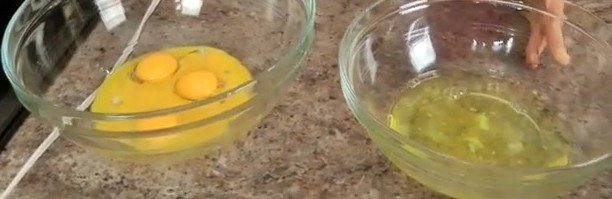
Start by separating the eggs into two bowls. Place the egg whites in a large, clean bowl and the yolks in a separate medium bowl.
This step is crucial because whipping the egg whites separately is what gives these pancakes their light and fluffy texture. Make sure there is no yolk in the whites, as even a small amount of fat can prevent them from whipping properly.
2. Mix the Wet Ingredients
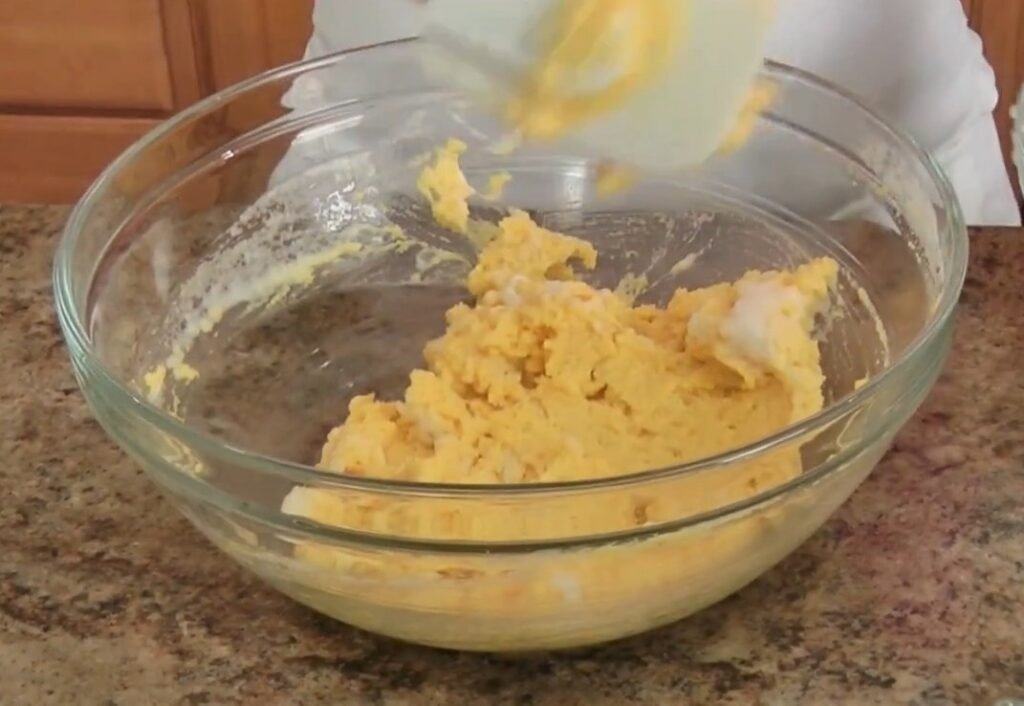
To the bowl containing the egg yolks, add the almond milk and melted coconut oil or butter. Whisk everything together until smooth and fully combined.
At this stage, you want a cohesive liquid base that will later incorporate seamlessly with the dry ingredients. Ensure the melted fat is not too hot, as it could cook the eggs prematurely.
3. Incorporate the Dry Ingredients
Add the coconut flour, baking powder, and salt into the yolk mixture. Stir until everything is fully combined.
The batter will appear thick, and that is completely normal. Coconut flour absorbs a lot of liquid, so don’t be alarmed if it looks denser than traditional pancake batter.
4. Whip the Egg Whites to Stiff Peaks
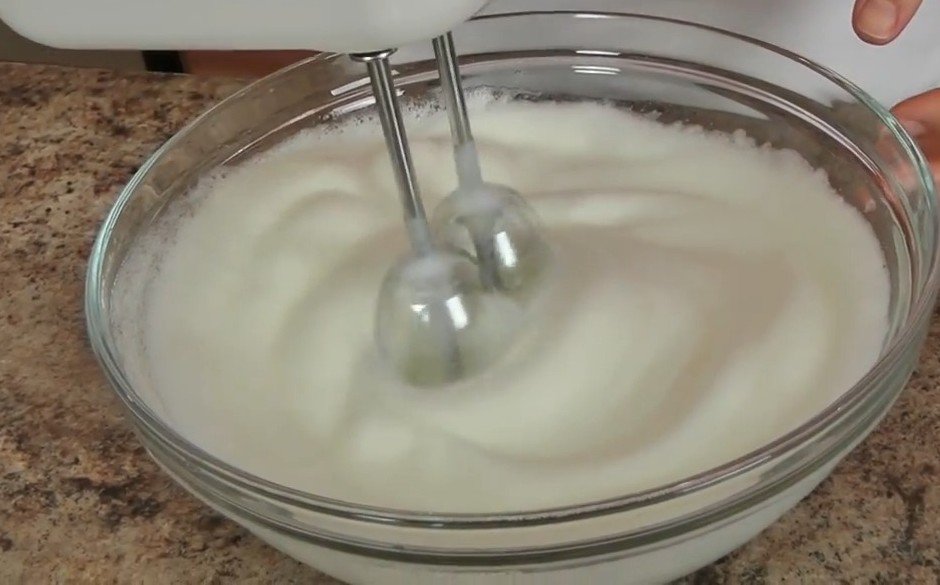
Using a hand mixer or whisk, beat the egg whites until stiff peaks form. This means that when you lift the whisk, the peaks should stand upright without collapsing.
This step is essential for creating airy pancakes. Properly whipped egg whites introduce air into the batter, which helps the pancakes rise and become fluffy.
5. Fold Egg Whites into the Batter
Gently fold the whipped egg whites into the coconut flour batter in batches. Use a spatula and fold carefully to avoid deflating the mixture.
Start by adding a small portion of the egg whites to loosen the batter. Then gradually fold in the remaining whites. The goal is to maintain as much air as possible while achieving a uniform mixture.
6. Preheat the Pan
Heat a non-stick skillet or griddle over medium to medium-low heat. Lightly grease the surface with a bit of coconut oil or butter.
Maintaining the correct temperature is important. Too hot and the pancakes will burn before cooking through. Too low and they won’t develop a golden crust.
7. Portion the Batter
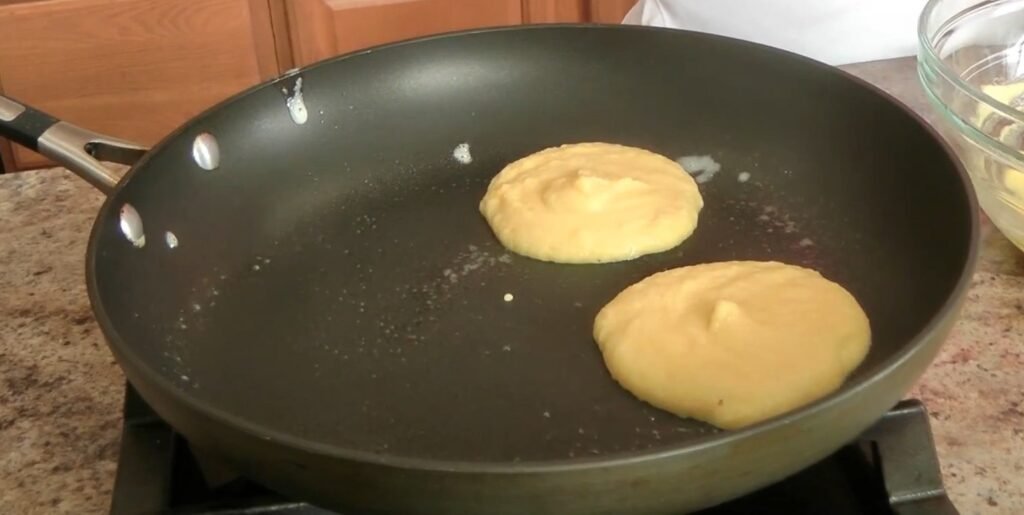
Spoon small amounts of batter onto the pan. Because coconut flour pancakes are more delicate, it is best to keep them smaller in size.
Allow enough space between each pancake to make flipping easier.
8. Cook the First Side
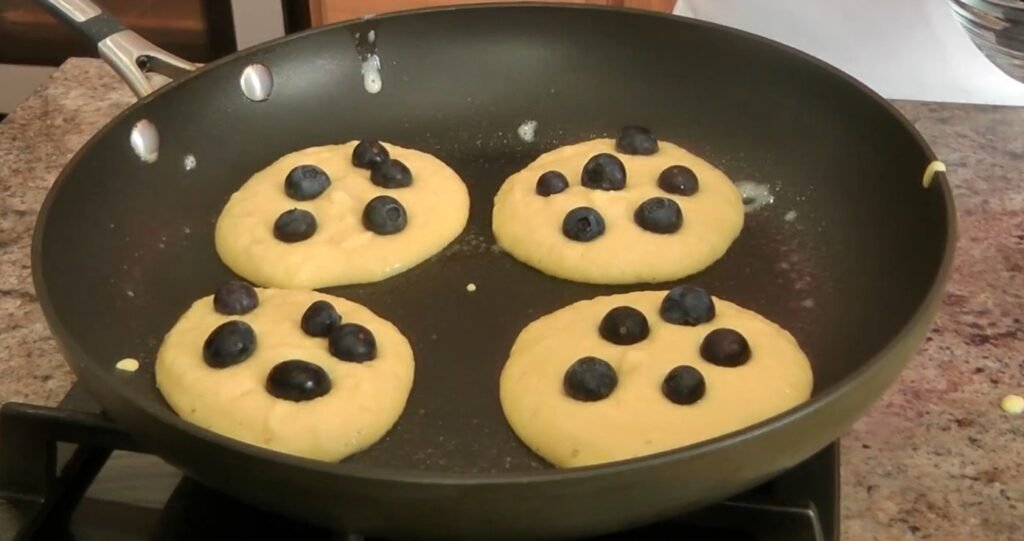
Cook the pancakes for about 2 to 3 minutes, or until you see bubbles forming on the surface and the edges begin to set.
This indicates that the bottom is cooked and ready to flip.
9. Flip Carefully
Using a thin spatula, gently flip each pancake. Cook the other side for an additional 1 to 2 minutes until golden brown and fully cooked.
Handle them gently, as they are softer than traditional pancakes.
10. Serve Immediately
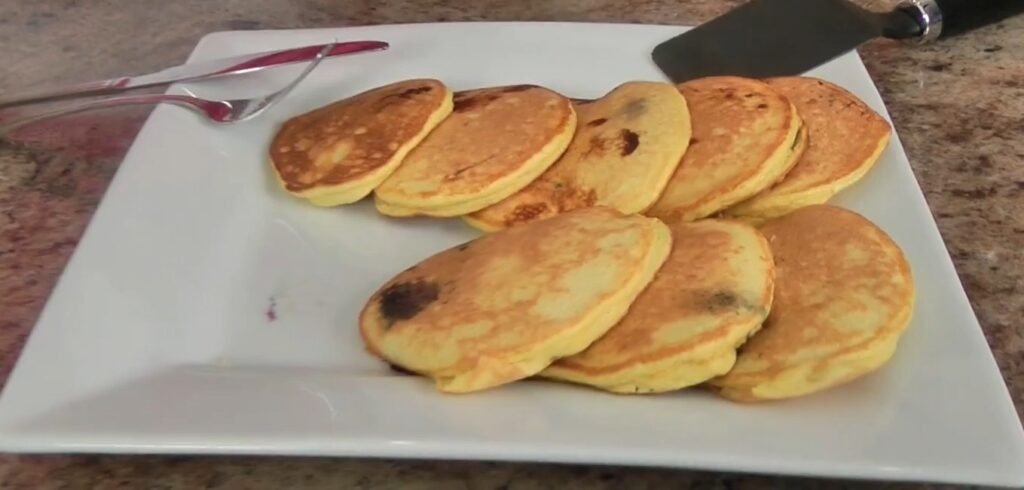
Remove the pancakes from the pan and serve warm. These pancakes are best enjoyed fresh when they are at their fluffiest.
Essential Equipment Guide
- Mixing bowls
- Hand whisk or electric mixer
- Spatula
- Non-stick skillet or griddle
- Measuring cups and spoons
Nutritional Information (Approximate per serving)
| Nutrient | Amount |
|---|---|
| Calories | 220 |
| Protein | 10g |
| Fat | 15g |
| Carbohydrates | 8g |
| Fiber | 4g |
| Sugar | 2g |
Pairings
- Fresh berries like strawberries, blueberries, or raspberries
- Maple syrup or honey
- Greek yogurt or whipped cream
- Nut butter such as almond or peanut butter
- Toasted coconut flakes
Variations
- Add vanilla extract for a sweeter flavor profile
- Mix in cinnamon or nutmeg for warmth
- Add sugar-free chocolate chips for a dessert-style pancake
- Use dairy milk instead of almond milk for a richer taste
- Incorporate mashed banana for natural sweetness
Prep, Cook Time & Servings
- Prep Time: 15 minutes
- Cook Time: 15 minutes
- Servings: 3 to 4
Tips for Perfect Coconut Flour Pancakes
- Always separate the eggs carefully. Even a trace of yolk in the whites can prevent proper whipping, which directly affects the fluffiness of your pancakes.
- Whipping the egg whites to stiff peaks is not optional. This is the main technique that gives structure and lift to the pancakes, especially since coconut flour lacks gluten.
- Fold the egg whites gently and patiently. Avoid stirring aggressively as this will deflate the batter and result in dense pancakes instead of light ones.
- Coconut flour behaves differently than regular flour. It absorbs a large amount of liquid, so resist the urge to thin out the batter too much.
- Keep the pancakes small. Larger pancakes are harder to flip and may break due to their delicate structure.
- Cook on medium-low heat. These pancakes need a slightly longer cooking time compared to regular pancakes to ensure they cook through without burning.
- Use a non-stick surface or well-greased pan. This prevents sticking and helps achieve a smooth flip.
- Let the batter rest for a minute or two if it feels too thick. This allows the coconut flour to fully hydrate.
- Flip only when the surface shows bubbles and the edges are set. Flipping too early can cause the pancakes to fall apart.
- Serve immediately for the best texture. Coconut flour pancakes tend to firm up as they cool.
- If making a larger batch, keep cooked pancakes warm in a low oven rather than stacking them immediately, which can trap steam and make them soggy.
- Experiment with toppings and flavors once you master the base recipe. This batter is versatile and adapts well to both sweet and slightly savory variations.
This detailed guide ensures you get consistently soft, fluffy, and flavorful coconut flour pancakes every single time while staying true to the original technique and ingredients.