
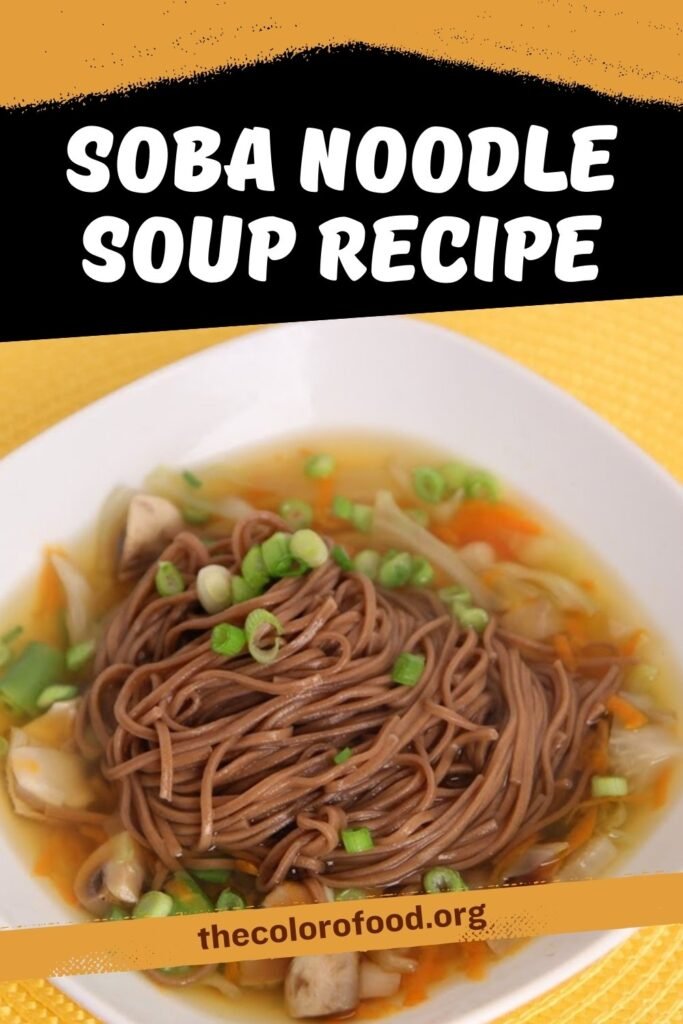
This quick soba noodle soup is a five minute, throw everything in the pot recipe that gives you a soothing, veggie packed bowl with minimal effort. The method keeps the vegetables crisp tender, the broth light, and the soba noodles perfectly cooked for a simple, comforting meal.
Ingredients
Use the exact quantities below for two generous servings.
- 4 cups chicken stock.
- About 4 oz mixed mushrooms, roughly chopped.
- 1 carrot, peeled and shredded.
- About ¼ of a small head of cabbage, shredded.
- Large handful of sugar snap peas, roughly chopped.
- 6 oz soba noodles.
- 3 or 4 scallions, dark tops removed and the rest chopped.
- Soy sauce, to taste.
1. Bring Water and Stock to a Boil
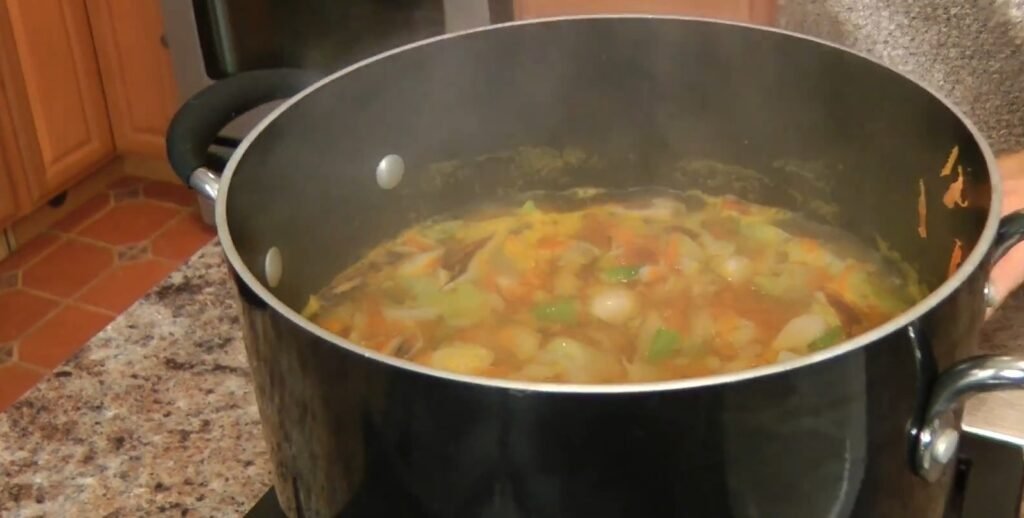
Start by setting up two separate saucepans, which is exactly how I prepare this soup to keep the timing tight and the noodles from clouding the broth. Fill one saucepan with plain water for the soba noodles and place the chicken stock in the second saucepan, then bring both to a steady boil over medium high heat.
Keeping the noodles and stock in separate pots prevents starch from the noodles from dulling the flavor and clarity of the broth, giving you a cleaner tasting soup. Using chicken stock instead of water gives instant depth and body, which is why this recipe tastes slow simmered even though it comes together in minutes.
2. Prep and Chop the Vegetables
While the liquids heat up, prep all the vegetables so they are ready to cook at the same time, keeping the process quick and efficient. Roughly chop the mixed mushrooms into bite sized pieces, not worrying about perfect shapes, because this rustic cut matches the relaxed, throw it together style of the soup.
Next, peel the carrot and shred it using a box grater or similar tool so it cooks very quickly and disperses nicely through the broth. Shred about a quarter of a small head of cabbage into thin strips, then roughly chop the sugar snap peas into smaller pieces so they will soften slightly while still staying pleasantly crisp.
3. Cook the Noodles and Vegetables
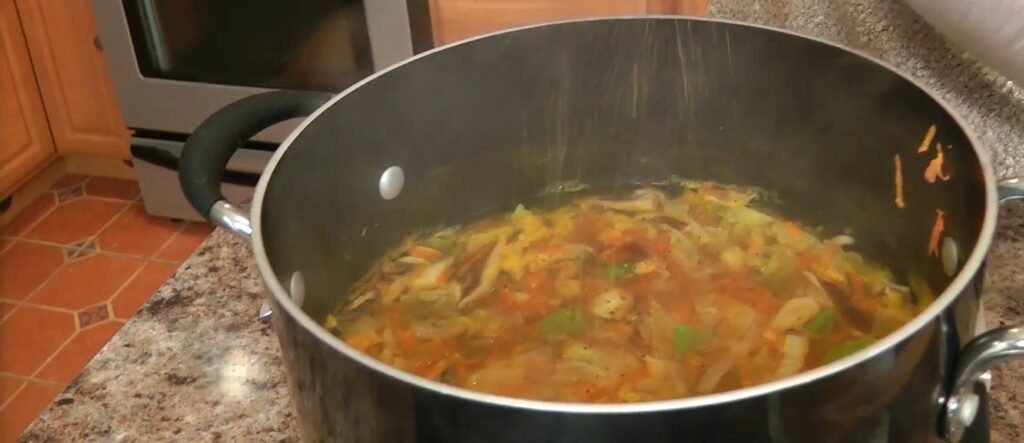
Once both pots are boiling, add the soba noodles to the pot of plain water and set a timer for 4 minutes, which is the cooking time I use for traditional buckwheat soba. At the same time, add the cabbage, mushrooms, shredded carrot and chopped sugar snap peas to the boiling chicken stock and let the vegetables simmer for those same 4 minutes.
This parallel cooking is what makes the soup so fast, because the vegetables soften just enough to be tender yet still bright while the noodles reach the perfect texture. There is no sautéing or oil involved, so the vegetables cook directly in the stock, infusing the broth with their flavor while keeping the process light and streamlined.
4. Drain, Rinse, and Bowl the Noodles
When the four minutes are up, turn off the heat under the noodle pot, then drain the soba thoroughly in a colander. Immediately rinse the noodles under cold running water, which stops the cooking and washes away excess surface starch so they stay loose and pleasant instead of gummy.
Once rinsed, divide the soba noodles evenly between two serving bowls, forming a base for the soup instead of leaving them in the pot. Placing the noodles directly in the bowls first lets you portion cleanly and ensures each bowl gets the right balance of noodles to broth when you ladle over the soup base.
5. Season the Broth and Assemble
While the noodles rest in the bowls, turn to the saucepan with the vegetables and chicken stock, which will now be a light vegetable infused broth. Season this broth with soy sauce to taste rather than salt, starting with a small splash of low sodium soy and adjusting until the broth tastes deeply savory but not overly salty.
Once the seasoning is balanced, carefully ladle the hot broth and vegetables over the soba noodles in each bowl, making sure to share the vegetables evenly. This step warms the noodles back through without overcooking them and marries the flavors of the stock, vegetables and soba right before serving.
6. Finish with Fresh Scallions and Serve
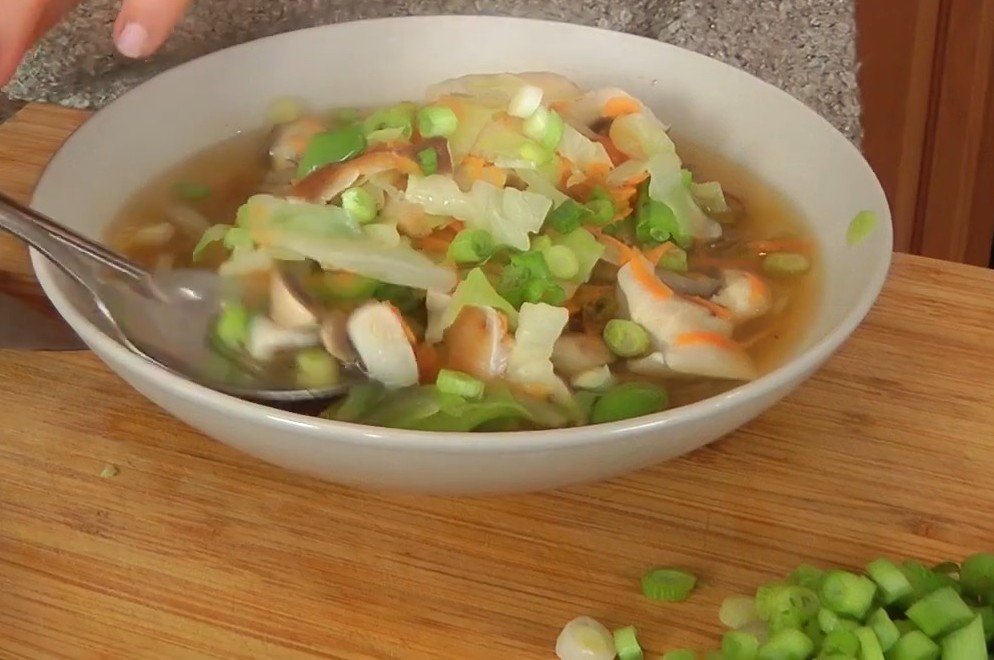
Right before you serve, chop the scallions, removing the dark tops and slicing the lighter green and white parts thinly. Scatter a generous handful of chopped scallions over each bowl, adding a fresh oniony note and a pop of color that brightens the whole dish.
Serve the soup immediately while steaming hot so the scallions just soften on top and the broth stays comforting and aromatic. At this point you can taste again and add a final small drizzle of soy sauce to your own bowl if you prefer a slightly stronger savory kick.
7. Helpful Tips and Serving Notes
Keeping this soup flexible is part of the appeal, and I explicitly mention that you can change the vegetables depending on what you have on hand, even varying it from one day to the next. Any tender quick cooking vegetable that can soften in a few minutes of simmering, such as bok choy or different cabbages, will work well in this framework while keeping the same timing and method.
The separate noodle cooking method is also important for texture, because rinsing the soba in cold water removes starch that could otherwise make the broth cloudy and the noodles sticky. This trick allows you to enjoy leftovers more easily too, since the noodles are less likely to clump, and you can keep extra noodles and broth in separate containers to combine when reheating.
For seasoning, using soy sauce instead of straight salt layers in umami and fits naturally with the buckwheat soba and vegetables, and I recommend a low sodium version so you can adjust the level without over salting. If cooking for multiple people, it can be helpful to season the pot of broth lightly, then let each person add an extra splash of soy at the table to match their own taste preferences.
Because the vegetables only simmer for four minutes, cutting them small or thin is essential so they cook evenly in such a short window. Shredded carrot and thinly sliced cabbage, as used here, become tender quickly while still retaining a slight bite, so the soup never feels overcooked or mushy even with this fast method.
This recipe is particularly suitable for days when you want something soothing and restorative with minimal effort. Having a few staple vegetables and a pack of soba in the pantry means you can put together this bowl in less time than it would take to order and wait for takeout.
8. Essential Equipment Guide
- Large saucepan or pot for the chicken stock and vegetables.
- Second saucepan or pot for boiling the soba noodles.
- Colander for draining and rinsing the noodles.
- Cutting board for prepping vegetables and scallions.
- Sharp knife for chopping and shredding vegetables.
- Box grater or similar tool for shredding the carrot.
- Ladle for serving the broth and vegetables over the noodles.
- Serving bowls for assembling the finished soup.
9. Nutritional Information
Approximate values per serving, based on standard ingredients and two servings per recipe.
| Nutrient | Approximate amount per serving |
|---|---|
| Calories | 350–400 kcal |
| Protein | 16–20 g |
| Total fat | 6–8 g |
| Carbohydrates | 55–60 g |
| Fiber | 4–6 g |
| Sodium | 900–1200 mg (varies with soy sauce) |
10. Pairings
- Light cucumber salad with a rice vinegar dressing for a refreshing contrast.
- Steamed or pan seared dumplings for added protein and texture.
- Simple edamame with sea salt to keep the meal quick and balanced.
- A side of pickled vegetables to add acidity and brightness alongside the soothing broth.
11. Variations
- Swap chicken stock for vegetable stock to create a vegetarian friendly version while keeping the same method.
- Add cooked shrimp or shredded cooked chicken at the end for extra protein without changing the base recipe timing.
- Use bok choy or other leafy greens in place of or in addition to the cabbage for a different texture.
- Stir in a pinch of chili flakes or a drizzle of chili oil at the table if you like a gently spicy broth.
12. Time and Yield
Print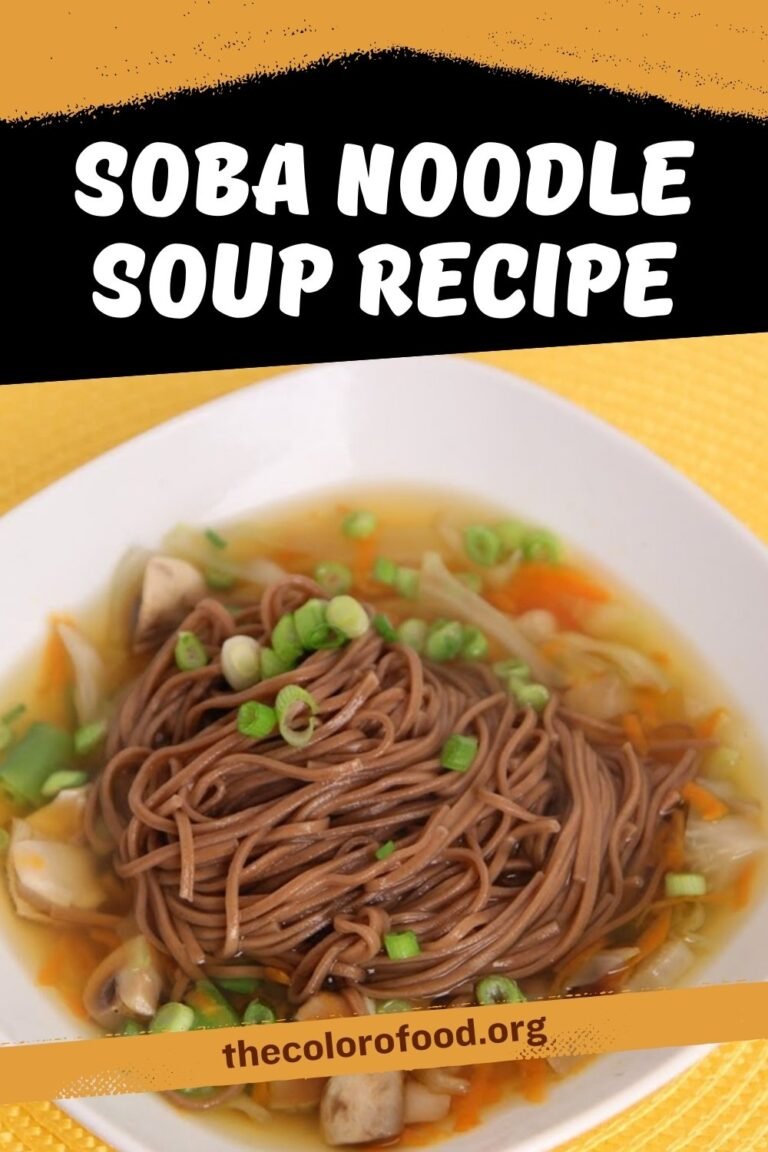
Soba Noodle Soup Recipe
This quick soba noodle soup is a five minute, throw everything in the pot recipe that gives you a soothing, veggie packed bowl with minimal effort. The method keeps the vegetables crisp tender, the broth light, and the soba noodles perfectly cooked for a simple, comforting meal.
- Total Time: 10 Mins
Ingredients
Use the exact quantities below for two generous servings.
- 4 cups chicken stock.
- About 4 oz mixed mushrooms, roughly chopped.
- 1 carrot, peeled and shredded.
- About ¼ of a small head of cabbage, shredded.
- Large handful of sugar snap peas, roughly chopped.
- 6 oz soba noodles.
- 3 or 4 scallions, dark tops removed and the rest chopped.
- Soy sauce, to taste.
Instructions
Start by setting up two separate saucepans, which is exactly how I prepare this soup to keep the timing tight and the noodles from clouding the broth. Fill one saucepan with plain water for the soba noodles and place the chicken stock in the second saucepan, then bring both to a steady boil over medium high heat.
Keeping the noodles and stock in separate pots prevents starch from the noodles from dulling the flavor and clarity of the broth, giving you a cleaner tasting soup. Using chicken stock instead of water gives instant depth and body, which is why this recipe tastes slow simmered even though it comes together in minutes.
2. Prep and Chop the Vegetables
While the liquids heat up, prep all the vegetables so they are ready to cook at the same time, keeping the process quick and efficient. Roughly chop the mixed mushrooms into bite sized pieces, not worrying about perfect shapes, because this rustic cut matches the relaxed, throw it together style of the soup.
Next, peel the carrot and shred it using a box grater or similar tool so it cooks very quickly and disperses nicely through the broth. Shred about a quarter of a small head of cabbage into thin strips, then roughly chop the sugar snap peas into smaller pieces so they will soften slightly while still staying pleasantly crisp.
3. Cook the Noodles and Vegetables
Once both pots are boiling, add the soba noodles to the pot of plain water and set a timer for 4 minutes, which is the cooking time I use for traditional buckwheat soba. At the same time, add the cabbage, mushrooms, shredded carrot and chopped sugar snap peas to the boiling chicken stock and let the vegetables simmer for those same 4 minutes.
This parallel cooking is what makes the soup so fast, because the vegetables soften just enough to be tender yet still bright while the noodles reach the perfect texture. There is no sautéing or oil involved, so the vegetables cook directly in the stock, infusing the broth with their flavor while keeping the process light and streamlined.
4. Drain, Rinse, and Bowl the Noodles
When the four minutes are up, turn off the heat under the noodle pot, then drain the soba thoroughly in a colander. Immediately rinse the noodles under cold running water, which stops the cooking and washes away excess surface starch so they stay loose and pleasant instead of gummy.
Once rinsed, divide the soba noodles evenly between two serving bowls, forming a base for the soup instead of leaving them in the pot. Placing the noodles directly in the bowls first lets you portion cleanly and ensures each bowl gets the right balance of noodles to broth when you ladle over the soup base.
5. Season the Broth and Assemble
While the noodles rest in the bowls, turn to the saucepan with the vegetables and chicken stock, which will now be a light vegetable infused broth. Season this broth with soy sauce to taste rather than salt, starting with a small splash of low sodium soy and adjusting until the broth tastes deeply savory but not overly salty.
Once the seasoning is balanced, carefully ladle the hot broth and vegetables over the soba noodles in each bowl, making sure to share the vegetables evenly. This step warms the noodles back through without overcooking them and marries the flavors of the stock, vegetables and soba right before serving.
6. Finish with Fresh Scallions and Serve
Right before you serve, chop the scallions, removing the dark tops and slicing the lighter green and white parts thinly. Scatter a generous handful of chopped scallions over each bowl, adding a fresh oniony note and a pop of color that brightens the whole dish.
Serve the soup immediately while steaming hot so the scallions just soften on top and the broth stays comforting and aromatic. At this point you can taste again and add a final small drizzle of soy sauce to your own bowl if you prefer a slightly stronger savory kick.
- Prep Time: 5 Mins
- Cook Time: 5 Mins