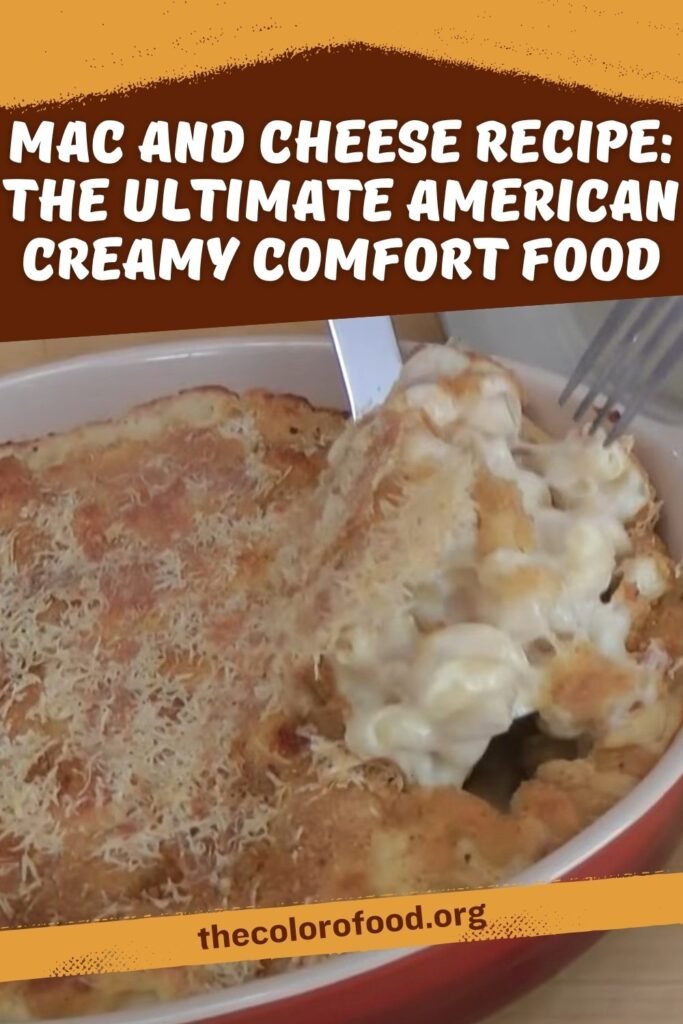
Bubbly, ultra creamy and topped with a golden, crunchy crust, this baked mac and cheese with pancetta is a rich, comforting main dish that easily becomes the star of dinner.
Ingredients
- ½ lb corkscrew pasta, or any short pasta shape, cooked in salted water and drained
- 4 Tbsp unsalted butter
- 4 Tbsp all purpose flour
- Salt and black pepper, to taste
- 2 cups whole milk, warmed in the microwave or a small pan
- 1 cup extra sharp cheddar, grated
- 1 cup whole milk mozzarella, grated
- ½ cup Parmigiano Reggiano, grated
- ¼ cup breadcrumbs
- 4 oz pancetta, cut into small dice
- 1 tsp olive oil, plus a little extra for drizzling
1. Preheat the oven and prepare the pasta
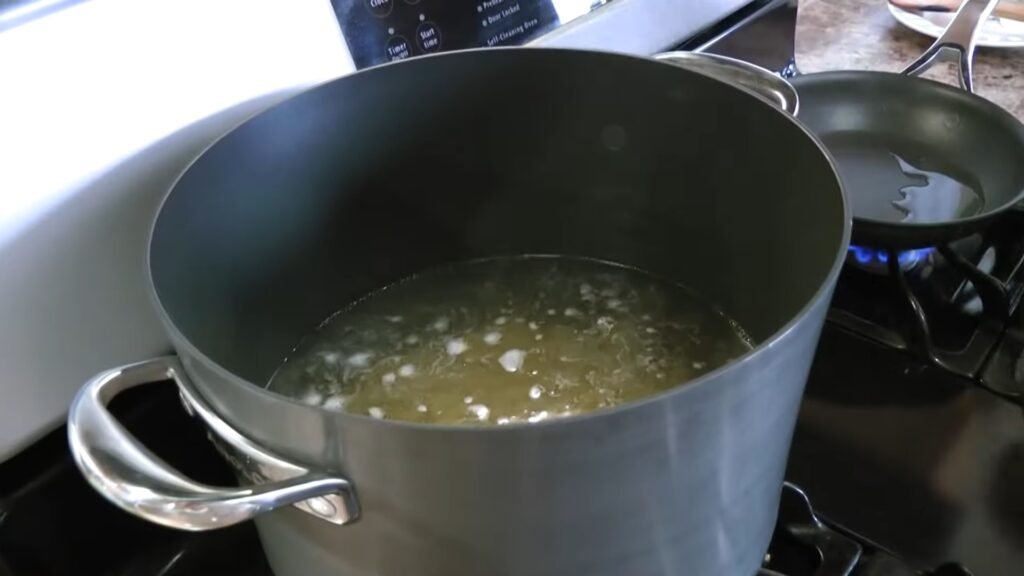
Start by heating the oven to 400 degrees so it is at full temperature by the time the mac and cheese is ready to bake. While the oven preheats, bring a large pot of well salted water to a rolling boil and cook the pasta until just shy of al dente, since it will finish softening in the oven and you want to avoid a mushy texture. Drain the pasta well, then set it aside while you prepare the sauce.
2. Crisp the pancetta for savory crunch
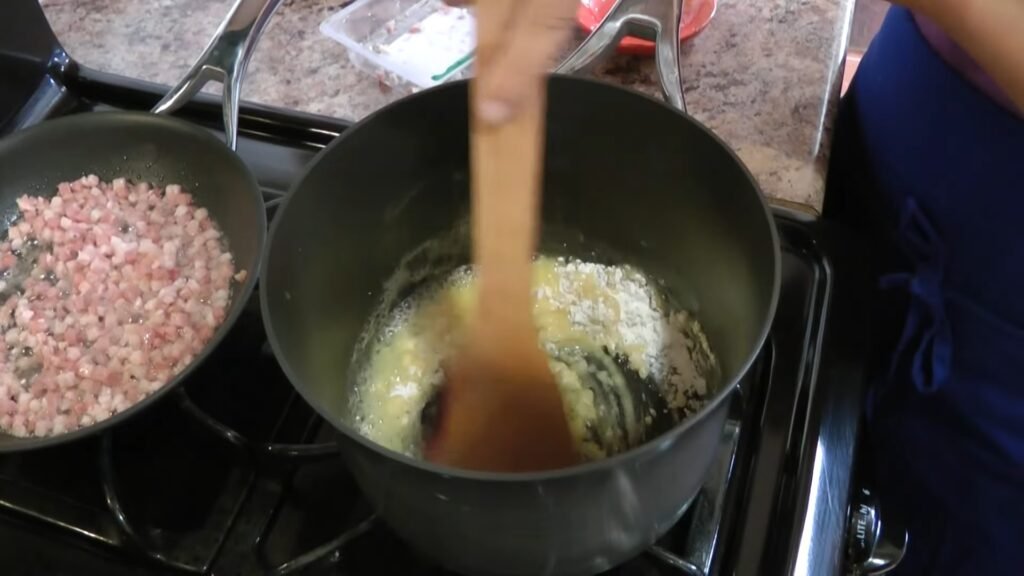
Place the diced pancetta in a small skillet with the olive oil over medium high heat, spreading it into an even layer so the pieces brown evenly. Cook, stirring occasionally, until the pancetta is beautifully browned and crispy around the edges, which should take about 3 to 4 minutes. Use a slotted spoon to transfer the pancetta to a small plate lined with paper towel, leaving the rendered fat behind, and set it aside to add later for a salty, savory punch.
3. Make a smooth, silky roux
In a large saucepan set over medium heat, melt the butter until it is fully liquefied and just starting to foam but not browned. Sprinkle in the flour and immediately begin stirring, making sure the butter and flour combine into a smooth paste that pulls slightly away from the bottom of the pan. Continue to cook this roux for about 1 minute, stirring constantly, which cooks off the raw flour taste and gives the sauce a more rounded, cooked flavor instead of a pasty one.
4. Whisk in the milk and thicken the sauce
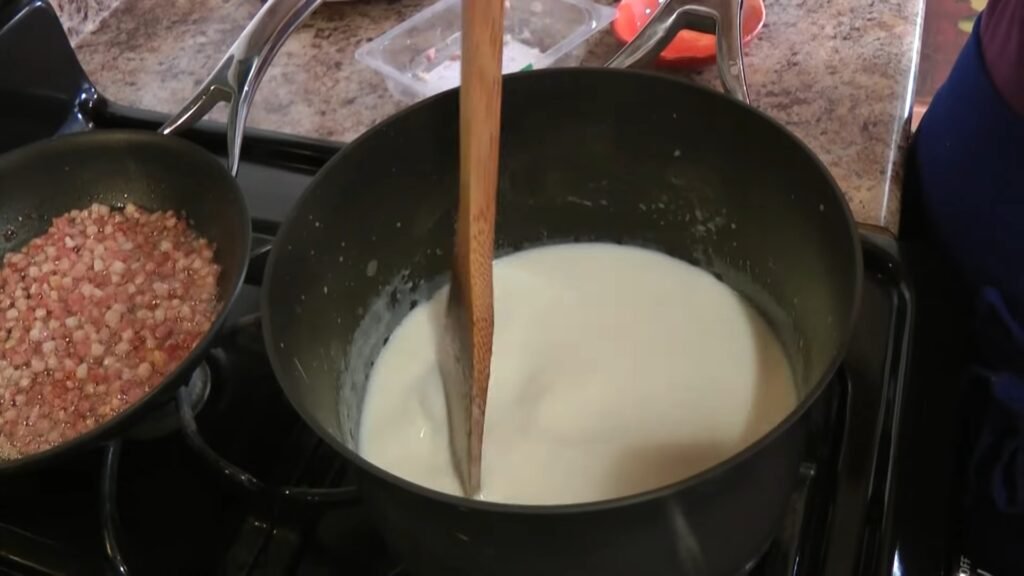
With the roux bubbling gently, begin adding the warm whole milk a little at a time, stirring or whisking constantly to avoid lumps and to help the mixture emulsify. Keep adding the milk gradually, making sure each addition is fully incorporated and smooth before pouring in more, until all 2 cups are in the pan and the mixture looks like a thin cream. Continue cooking over medium heat for about 4 to 5 minutes, stirring frequently, until the sauce thickens to a custard like consistency that coats the back of a spoon and leaves a clean line when you run a finger through it. Once thickened, season the sauce with salt and black pepper to taste, remembering that the cheeses and pancetta will add more saltiness later.
5. Melt in the trio of cheeses
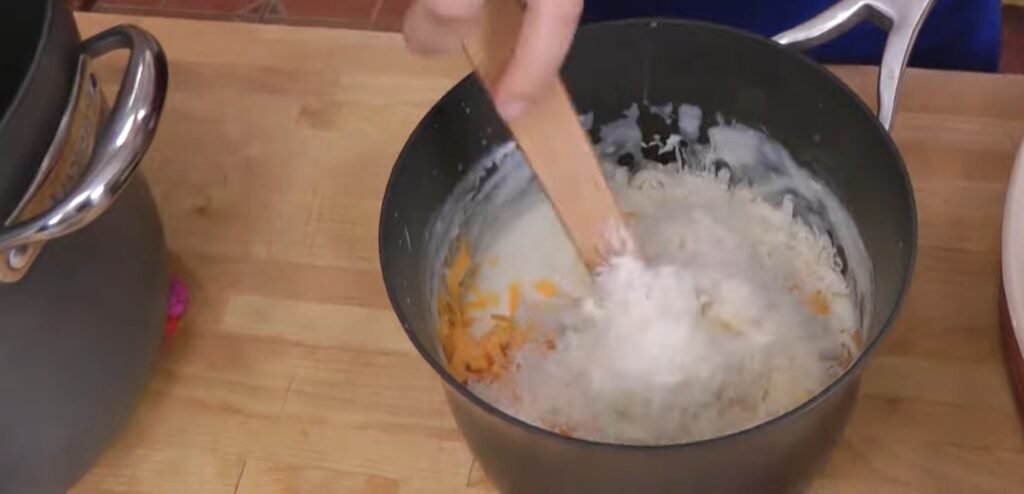
Remove the thickened white sauce from the heat so the cheese melts gently without breaking or becoming grainy. Add the grated sharp cheddar, grated mozzarella and half of the grated Parmigiano Reggiano directly into the hot sauce, stirring steadily as the cheeses melt into a smooth, glossy, rich cheese sauce. The sharp cheddar brings tangy, pronounced flavor, the mozzarella melts into an oozy, stretchy texture and the Parmigiano adds a nutty, deeply savory note, creating a layered cheese profile that makes the mac and cheese taste more complex. Stir until no shreds of cheese remain visible and the sauce is completely smooth.
6. Combine pasta, pancetta and cheese sauce
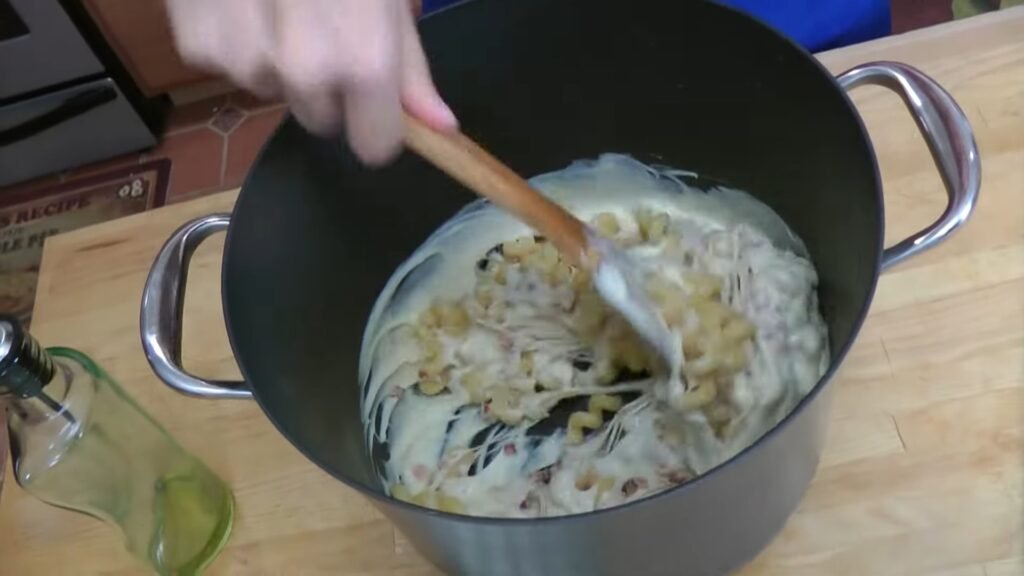
Add the cooked and drained pasta to the pot of cheese sauce, making sure the pasta is still warm so it absorbs the sauce properly. Tip in the crispy pancetta and gently fold everything together, using a large spoon or spatula to coat each curl of pasta with the creamy cheese sauce while distributing the pancetta evenly throughout the dish. The goal is to have every bite carry a balance of tender pasta, rich sauce and little pops of salty pancetta rather than having all the meat sitting at the bottom of the pan.
7. Transfer to a baking dish and top
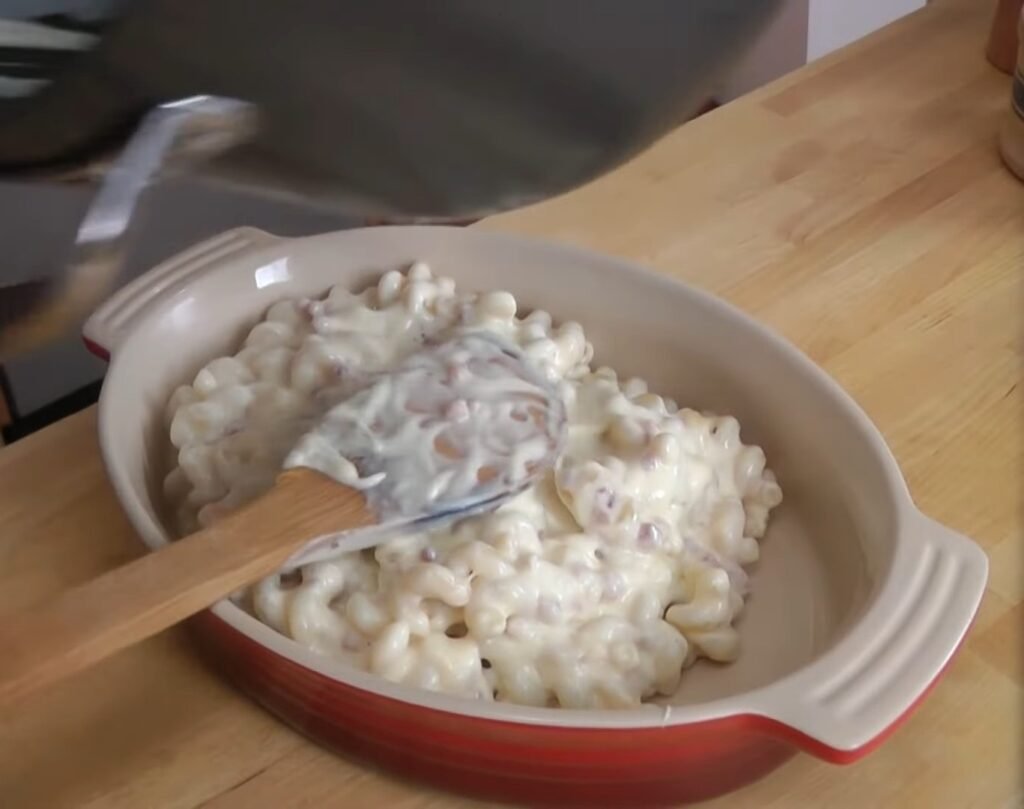
Spoon the mac and cheese mixture into a casserole dish, scraping the pot to capture every bit of sauce and smoothing the top into an even layer so it bakes uniformly.
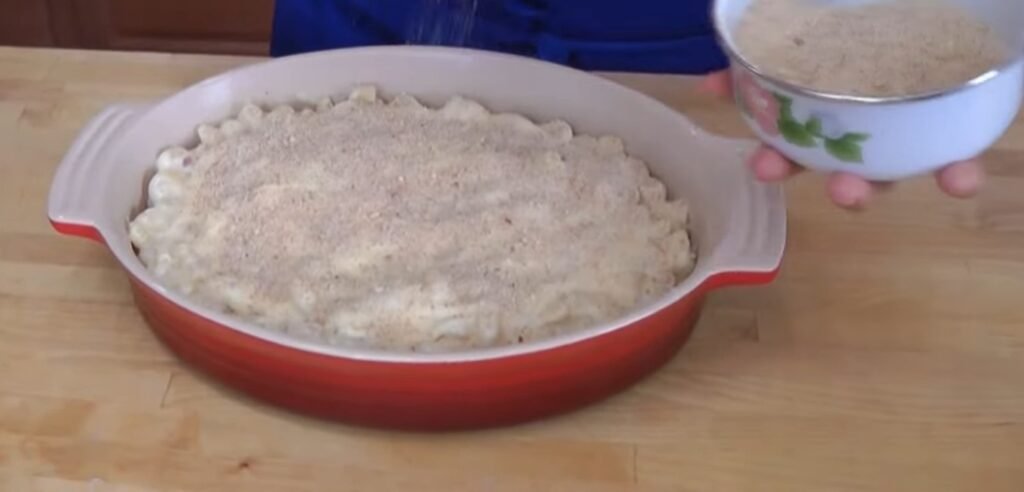
Sprinkle the breadcrumbs over the surface, followed by the remaining grated Parmigiano, distributing both as evenly as possible to create a consistent golden crust in every scoop. Finish with a light drizzle of olive oil over the surface, which helps the topping brown more deeply and crisp up in the hot oven.
8. Bake until golden and bubbling
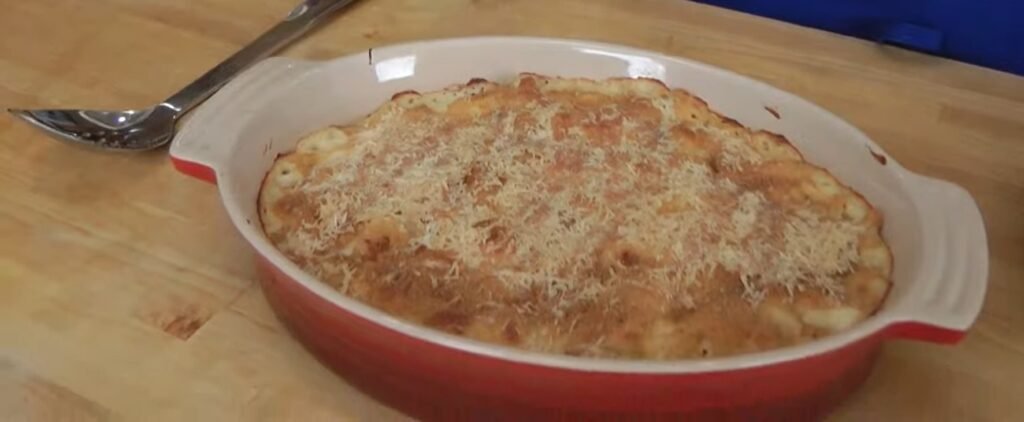
Place the casserole dish in the preheated 400 degree oven and bake for about 20 to 25 minutes, or until the top is nicely golden, the edges are bubbling and the breadcrumb and cheese topping has formed a crisp crust. When it comes out of the oven it will smell intensely cheesy and savory, with the top offering a textural contrast to the creamy pasta underneath. Let the mac and cheese sit for about 5 minutes before serving so the sauce can settle slightly, which makes it easier to scoop neat portions without the cheese running excessively.
9. Serving and flavor tips
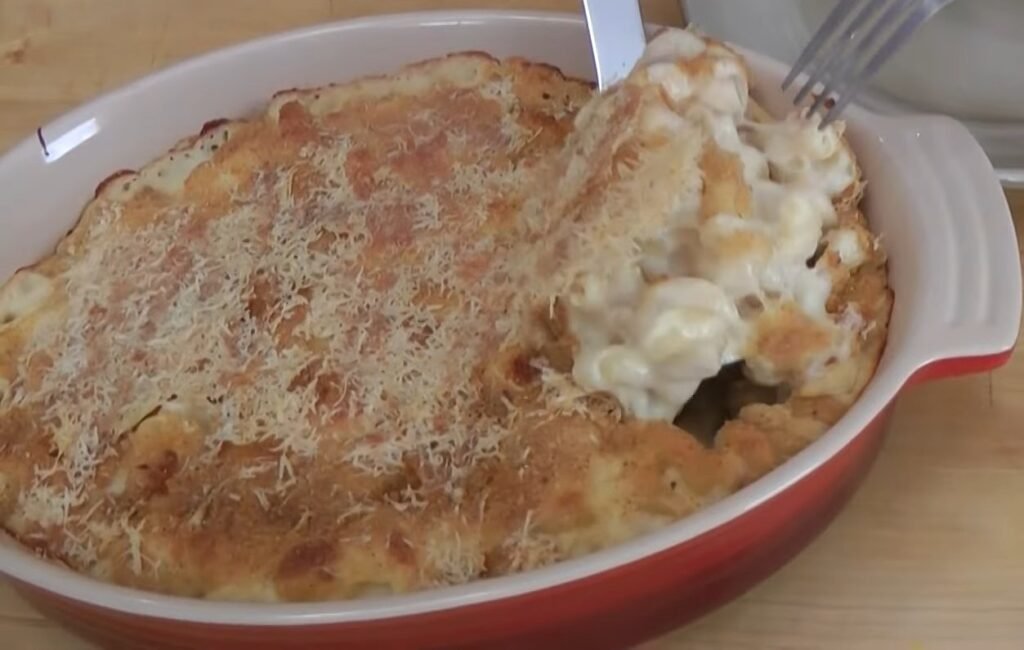
Serve generous scoops of the mac and cheese with a simple green salad on the side to balance the richness and add freshness and crunch to the plate. Because the dish is very rich, it works best as a main course for four rather than a small side, and a crisp salad or some lightly cooked green vegetables keeps the meal from feeling too heavy. This baked version is ideal for entertaining or family dinners because it can be assembled ahead, chilled and baked just before serving, though you may need to add a few extra minutes in the oven if starting from cold.
10. Detailed success tips
To keep the texture pleasantly firm rather than soft, always undercook the pasta slightly in the boiling water, pulling it a minute or two before the package suggests, because it will continue to cook in the oven as it absorbs the hot sauce. Warming the milk before adding it to the roux is also important, as it helps the sauce come together faster and more smoothly, reducing the risk of lumps and preventing the mixture from seizing when cold liquid hits the hot pan.
Balancing seasoning at different stages makes a big difference; go lightly with salt in the sauce because the pasta water, cheeses and pancetta all carry their own salt, then taste the combined mixture before baking and adjust if needed rather than heavily salting early on. For the best flavor, use blocks of cheese and grate them yourself instead of buying pre shredded versions, which often contain anti caking agents that can make sauces less smooth and slightly chalky.
If you like an especially thick crunchy layer on top, you can increase the breadcrumb quantity slightly or mix the crumbs with a spoonful of melted butter before sprinkling them, which helps them toast evenly and gives a richer flavor. Allowing the baked dish to rest briefly before digging in is also important, because it allows the cheese sauce to thicken slightly and cling to the pasta instead of spilling onto the plate, giving neater servings and a more satisfying, cohesive bite.
Essential Equipment Guide
- Large pot for boiling pasta
- Small skillet or sauté pan for pancetta
- Large saucepan for sauce
- Whisk or wooden spoon for stirring roux and sauce
- Slotted spoon for draining pancetta
- Casserole or baking dish
- Measuring cups and spoons
- Grater for cheeses
Nutritional Information
Approximate values per serving, assuming 4 servings.
| Nutrient | Amount per serving |
|---|---|
| Calories | ~650 kcal |
| Carbohydrates | ~55 g |
| Protein | ~28 g |
| Fat | ~34 g |
| Saturated Fat | ~19 g |
| Sodium | Moderate to high |
| Calcium | High |
Pairings
- Simple green salad with a light vinaigrette to cut through the richness.
- Steamed or roasted broccoli or green beans for added texture and freshness.
- Garlic bread for those who want an extra indulgent, carb focused meal.
Variations
- Swap pancetta for bacon if that is easier to find, keeping the same quantity and cooking it the same way.
- Experiment with other melting cheeses like Gruyere or Swiss, replacing part of the cheddar, if you enjoy a stronger, more pronounced flavor.
- Add a pinch of red pepper flakes or a little mustard powder to the sauce for a subtle heat or extra tang without changing the core character of the dish.
Prep time, cook time and servings
- Prep time: About 20 minutes, including grating cheeses, cooking pancetta and boiling pasta.
- Cook time: About 20 to 25 minutes in the oven, plus a few minutes on the stove for the sauce.
- Servings: Serves 4 as a main course.
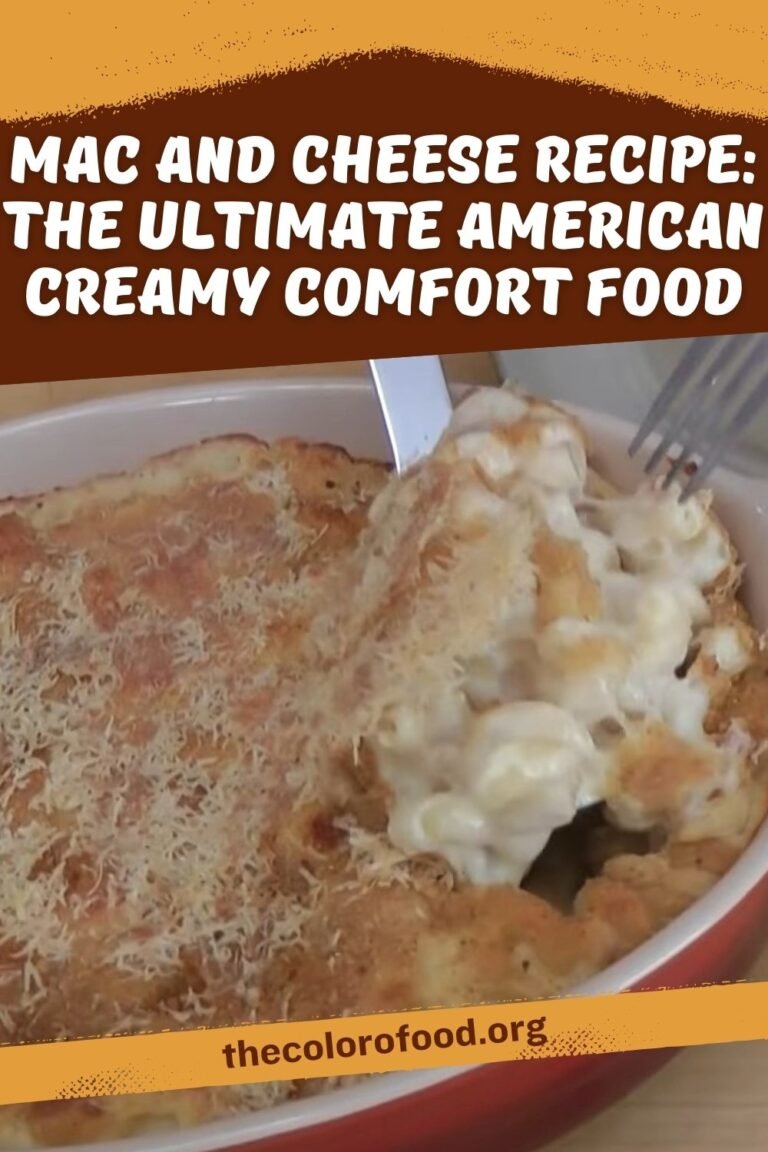
Mac and Cheese Recipe: The Ultimate American Creamy Comfort Food
Bubbly, ultra creamy and topped with a golden, crunchy crust, this baked mac and cheese with pancetta is a rich, comforting main dish that easily becomes the star of dinner.
- Total Time: 45 Mins
Ingredients
- ½ lb corkscrew pasta, or any short pasta shape, cooked in salted water and drained
- 4 Tbsp unsalted butter
- 4 Tbsp all purpose flour
- Salt and black pepper, to taste
- 2 cups whole milk, warmed in the microwave or a small pan
- 1 cup extra sharp cheddar, grated
- 1 cup whole milk mozzarella, grated
- ½ cup Parmigiano Reggiano, grated
- ¼ cup breadcrumbs
- 4 oz pancetta, cut into small dice
- 1 tsp olive oil, plus a little extra for drizzling
Instructions
1. Preheat the oven and prepare the pasta
Start by heating the oven to 400 degrees so it is at full temperature by the time the mac and cheese is ready to bake. While the oven preheats, bring a large pot of well salted water to a rolling boil and cook the pasta until just shy of al dente, since it will finish softening in the oven and you want to avoid a mushy texture. Drain the pasta well, then set it aside while you prepare the sauce.
2. Crisp the pancetta for savory crunch
Place the diced pancetta in a small skillet with the olive oil over medium high heat, spreading it into an even layer so the pieces brown evenly. Cook, stirring occasionally, until the pancetta is beautifully browned and crispy around the edges, which should take about 3 to 4 minutes. Use a slotted spoon to transfer the pancetta to a small plate lined with paper towel, leaving the rendered fat behind, and set it aside to add later for a salty, savory punch.
3. Make a smooth, silky roux
In a large saucepan set over medium heat, melt the butter until it is fully liquefied and just starting to foam but not browned. Sprinkle in the flour and immediately begin stirring, making sure the butter and flour combine into a smooth paste that pulls slightly away from the bottom of the pan. Continue to cook this roux for about 1 minute, stirring constantly, which cooks off the raw flour taste and gives the sauce a more rounded, cooked flavor instead of a pasty one.
4. Whisk in the milk and thicken the sauce
With the roux bubbling gently, begin adding the warm whole milk a little at a time, stirring or whisking constantly to avoid lumps and to help the mixture emulsify. Keep adding the milk gradually, making sure each addition is fully incorporated and smooth before pouring in more, until all 2 cups are in the pan and the mixture looks like a thin cream. Continue cooking over medium heat for about 4 to 5 minutes, stirring frequently, until the sauce thickens to a custard like consistency that coats the back of a spoon and leaves a clean line when you run a finger through it. Once thickened, season the sauce with salt and black pepper to taste, remembering that the cheeses and pancetta will add more saltiness later.
5. Melt in the trio of cheeses
Remove the thickened white sauce from the heat so the cheese melts gently without breaking or becoming grainy. Add the grated sharp cheddar, grated mozzarella and half of the grated Parmigiano Reggiano directly into the hot sauce, stirring steadily as the cheeses melt into a smooth, glossy, rich cheese sauce. The sharp cheddar brings tangy, pronounced flavor, the mozzarella melts into an oozy, stretchy texture and the Parmigiano adds a nutty, deeply savory note, creating a layered cheese profile that makes the mac and cheese taste more complex. Stir until no shreds of cheese remain visible and the sauce is completely smooth.
6. Combine pasta, pancetta and cheese sauce
Add the cooked and drained pasta to the pot of cheese sauce, making sure the pasta is still warm so it absorbs the sauce properly. Tip in the crispy pancetta and gently fold everything together, using a large spoon or spatula to coat each curl of pasta with the creamy cheese sauce while distributing the pancetta evenly throughout the dish. The goal is to have every bite carry a balance of tender pasta, rich sauce and little pops of salty pancetta rather than having all the meat sitting at the bottom of the pan.
7. Transfer to a baking dish and top
Spoon the mac and cheese mixture into a casserole dish, scraping the pot to capture every bit of sauce and smoothing the top into an even layer so it bakes uniformly.
Sprinkle the breadcrumbs over the surface, followed by the remaining grated Parmigiano, distributing both as evenly as possible to create a consistent golden crust in every scoop. Finish with a light drizzle of olive oil over the surface, which helps the topping brown more deeply and crisp up in the hot oven.
8. Bake until golden and bubbling
Place the casserole dish in the preheated 400 degree oven and bake for about 20 to 25 minutes, or until the top is nicely golden, the edges are bubbling and the breadcrumb and cheese topping has formed a crisp crust. When it comes out of the oven it will smell intensely cheesy and savory, with the top offering a textural contrast to the creamy pasta underneath. Let the mac and cheese sit for about 5 minutes before serving so the sauce can settle slightly, which makes it easier to scoop neat portions without the cheese running excessively.
9. Serving and flavor tips
Serve generous scoops of the mac and cheese with a simple green salad on the side to balance the richness and add freshness and crunch to the plate. Because the dish is very rich, it works best as a main course for four rather than a small side, and a crisp salad or some lightly cooked green vegetables keeps the meal from feeling too heavy. This baked version is ideal for entertaining or family dinners because it can be assembled ahead, chilled and baked just before serving, though you may need to add a few extra minutes in the oven if starting from cold.
- Prep Time: 20 Mins
- Cook Time: 25 Mins