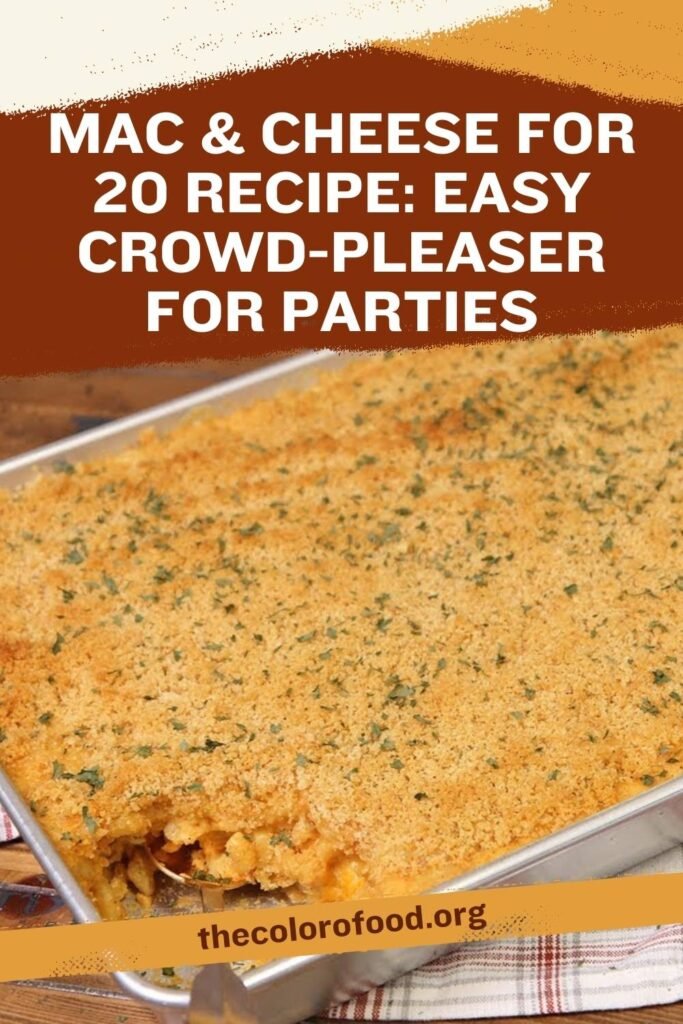
This baked mac and cheese for twenty is a rich, ultra‑creamy crowd‑pleaser layered with three cheeses and finished with a buttery Ritz cracker topping. It bakes up bubbly and golden in a large casserole, making it perfect for holidays, potlucks, or any time you need a reliable big‑batch side.
Ingredients
- 2 lb elbow pasta (or any short pasta of your choice)
- 8 cups whole milk
- 1½ cups heavy cream
- ½ cup unsalted butter (for the sauce)
- ½ cup all‑purpose flour
- 1½ Tbsp dried mustard
- 2 tsp paprika
- Plenty of salt and freshly ground black pepper, to taste
- 3 cups shredded sharp cheddar cheese
- 1 cup American cheese, cubed or roughly torn
- 1 cup shredded mozzarella cheese
- ¼ cup unsalted butter, for tossing the hot pasta
- 2 sleeves Ritz crackers
- ⅓ cup melted butter (for the topping)
This quantity comfortably serves about 16–20 people as a side dish because the sauce is very rich and filling. Use an extra‑large baking dish, roughly 18 x 13 x 2 inches, or two smaller casseroles if needed.
Step 1: Prepare the pasta and pan
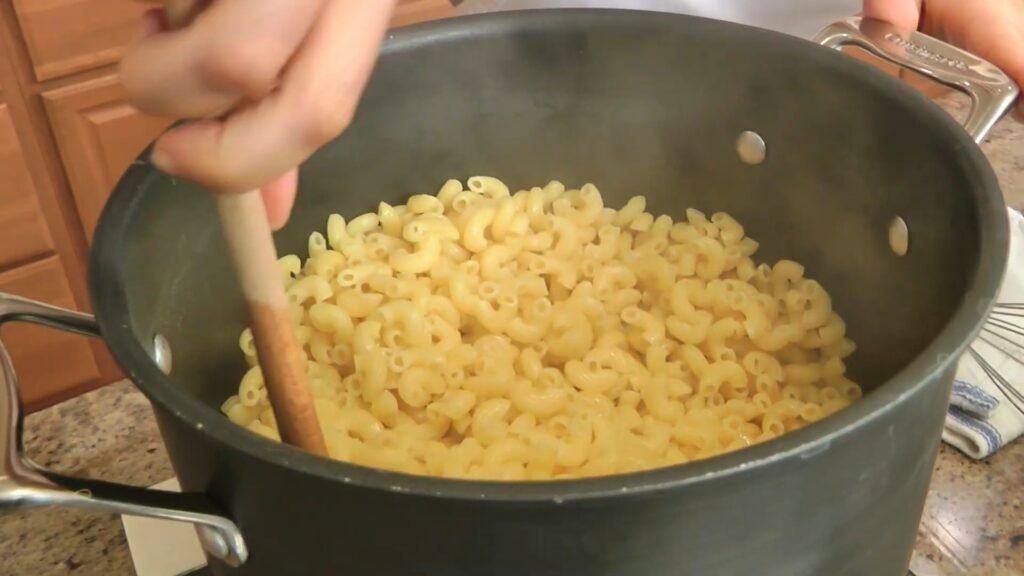
Begin by preheating the oven to 350°F (about 175°C) so it is hot and ready when the mac and cheese is assembled. Generously butter a very large casserole dish, making sure to coat the bottom and sides to prevent sticking and to add extra flavor around the edges.
Bring a big pot of well‑salted water to a rolling boil, then add the pasta and cook it until it is just shy of al dente, stopping a couple of minutes earlier than the package directions. This undercooking is crucial because the pasta will finish softening in the oven while absorbing the cheese sauce, which keeps the final dish from becoming mushy.
Step 2: Toss the pasta with butter
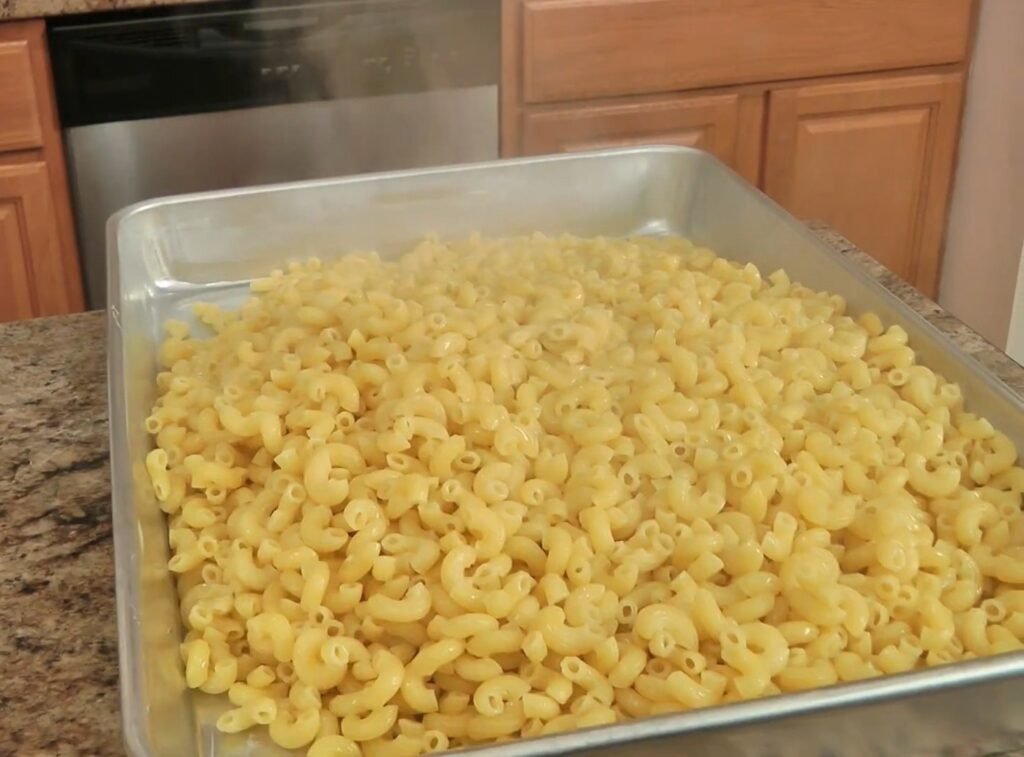
Once the pasta is slightly undercooked, drain it very well so no excess water dilutes the sauce. Return the hot pasta to the still‑warm pot and immediately add the ¼ cup of unsalted butter, tossing until every piece is lightly coated and glossy.
Tip the buttered pasta into the prepared casserole dish and spread it out in an even layer, gently loosening any clumps so the sauce will be able to flow through later. At this stage, set the pan aside while you move on to building the roux and the cheese sauce in the same large pot, which saves both time and dishes.
Step 3: Make the roux
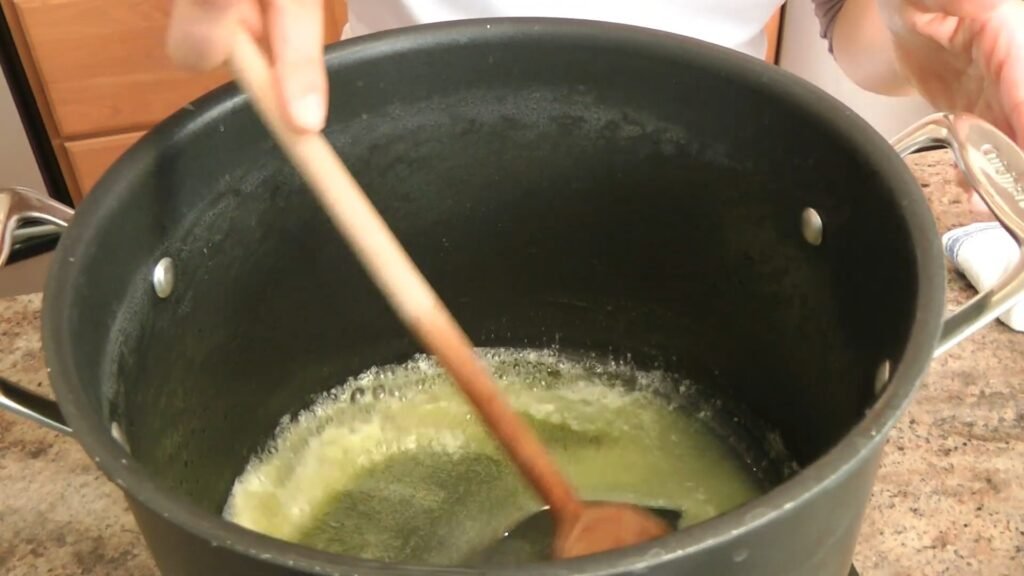
Place the now‑empty pasta pot back on the stove over medium heat and add the ½ cup of unsalted butter, letting it melt completely but not brown. Sprinkle in the flour and immediately start whisking; the mixture will turn into a smooth paste that should be cooked for a couple of minutes to remove the raw flour taste while staying pale.
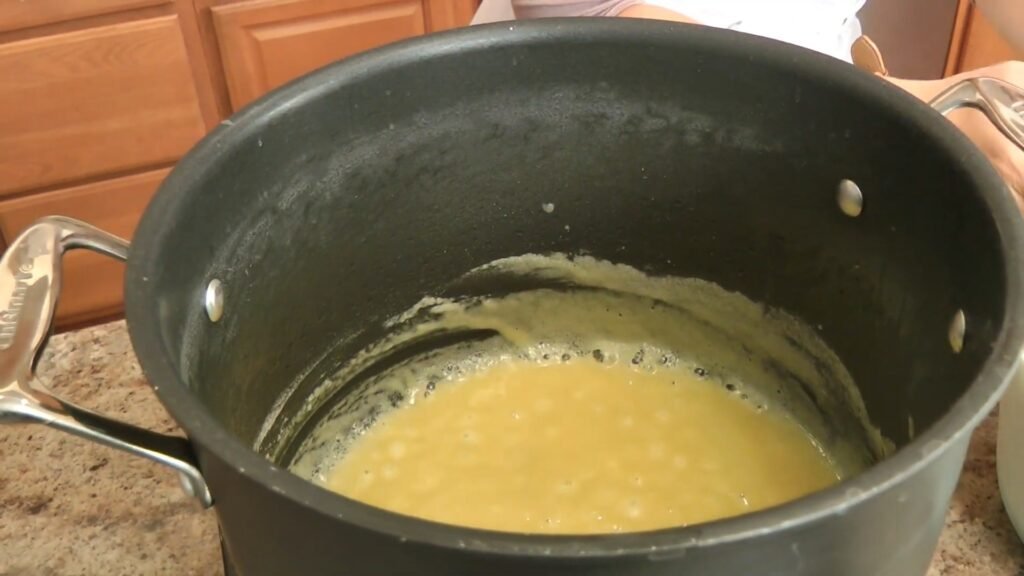
Keep the roux moving with a whisk or wooden spoon, scraping the corners and bottom of the pot so nothing sticks or burns, because any scorched flour will affect the flavor of the final sauce. The goal is a silky, foamy paste that smells slightly nutty but still looks light in color, ready to accept the milk and cream.
Step 4: Build the cream sauce
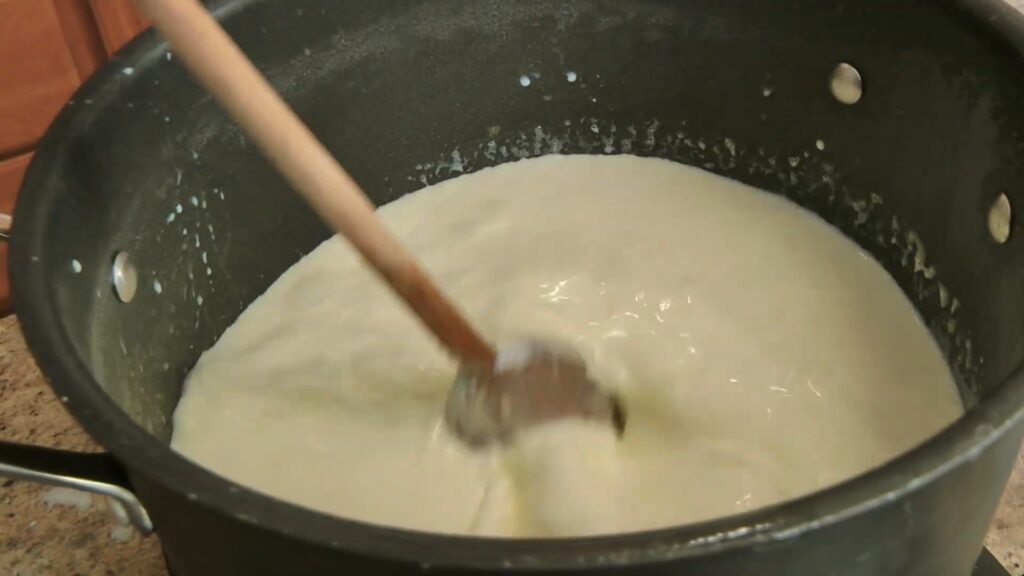
Slowly pour in the whole milk and heavy cream while whisking constantly, which helps prevent lumps and ensures a smooth, velvety base. Continue cooking the mixture over medium heat, stirring frequently and scraping around the edges until it thickens slightly to the texture of a light cream; it should coat the back of a spoon but not feel heavy or gluey.
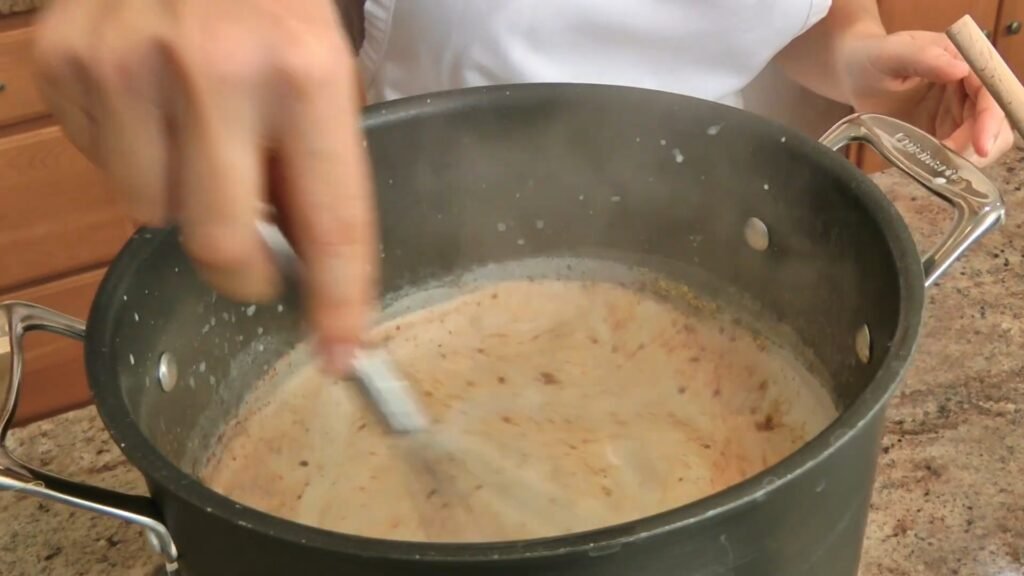
At this stage, stir in the dried mustard, paprika, a generous pinch of salt, and plenty of freshly ground black pepper, letting the spices bloom in the hot sauce. The dried mustard adds depth and balances the richness of the cheese, while paprika brings warmth and a subtle color that keeps the sauce from looking flat.
Step 5: Melt in the cheeses
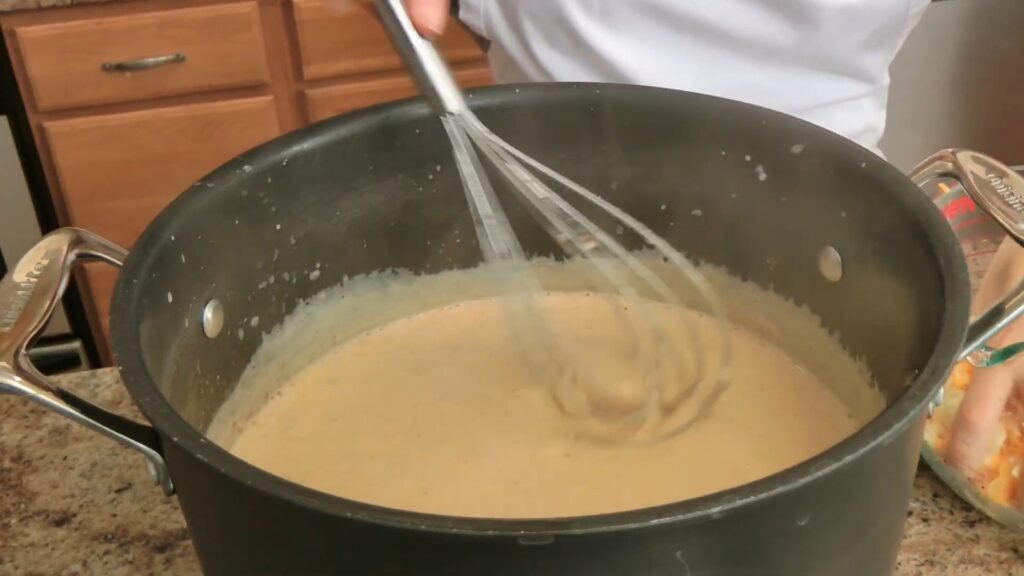
Lower the heat and start adding the shredded sharp cheddar, American cheese pieces, and shredded mozzarella a handful at a time, stirring slowly after each addition until it is mostly melted before adding more. Working gradually like this helps the cheeses blend in smoothly without clumping or separating, especially in such a large batch.
Continue until all the cheese is incorporated and the sauce looks thick, glossy, and luxurious, with no visible shreds remaining. Taste the sauce and adjust with extra salt and pepper if needed, remembering that the pasta itself is simply buttered, so all the flavor must come from this seasoned cheese mixture.
Step 6: Combine sauce and pasta
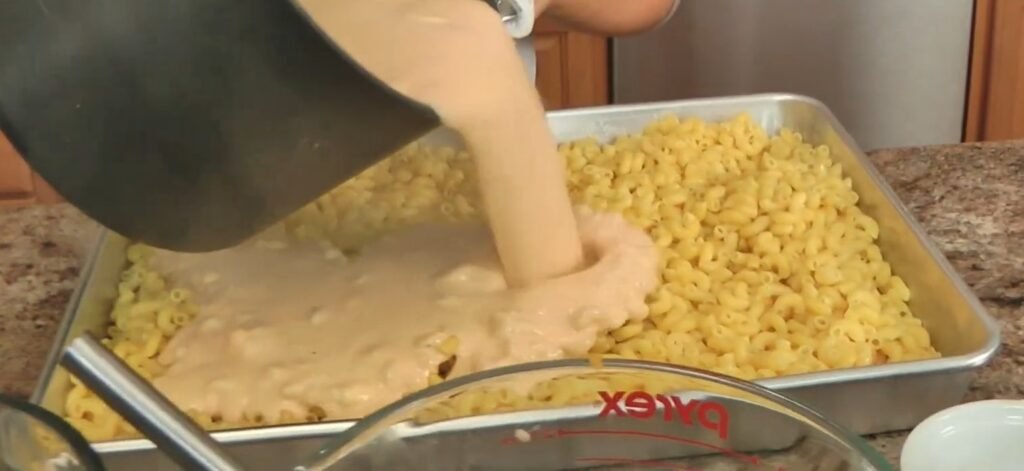
Carefully pour the hot cheese sauce evenly over the buttered pasta waiting in the casserole dish, trying to distribute it across the surface rather than dumping it in one spot. Use a large spoon or spatula to gently fold and stir the pasta in the dish so every piece is coated, reaching all the way down to the bottom corners to avoid any dry patches.
Once the sauce is well distributed, smooth the top into an even layer; it does not have to be perfectly flat, but evening it out helps the topping brown uniformly. Let the assembled pasta sit briefly while you prepare the Ritz cracker crust, which will add a crisp, buttery contrast to the creamy interior.
Step 7: Make the Ritz cracker topping
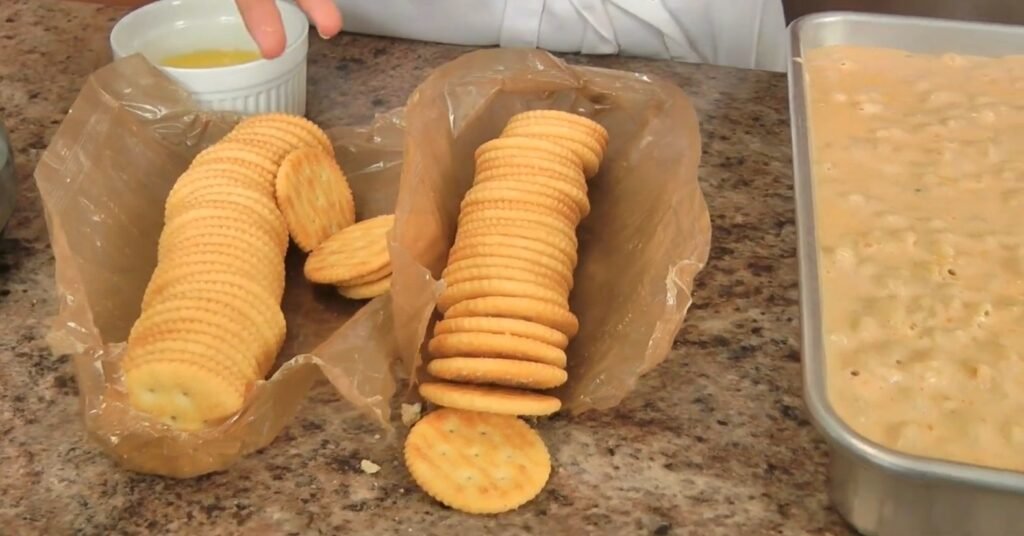
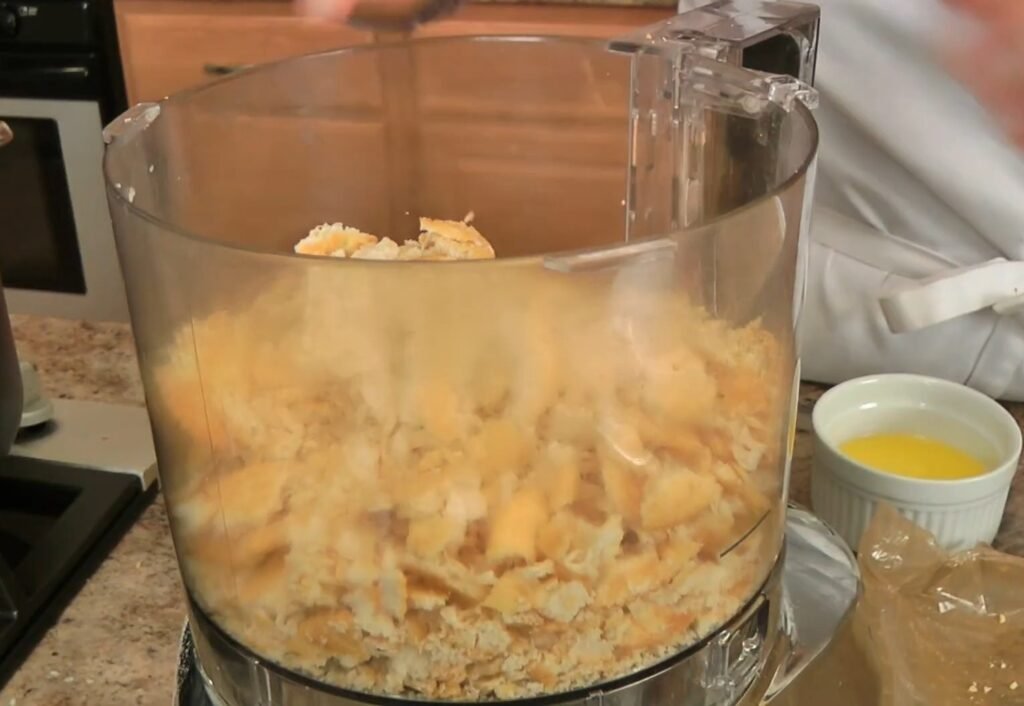
Place the Ritz crackers into a sturdy plastic bag or a bowl and crush them into coarse crumbs using your hands or a rolling pin; aim for a mix of fine crumbs and small pieces for the best texture. Transfer the crumbs to a bowl and drizzle over the ⅓ cup of melted butter, tossing until everything looks evenly moistened and the crumbs start to clump lightly.
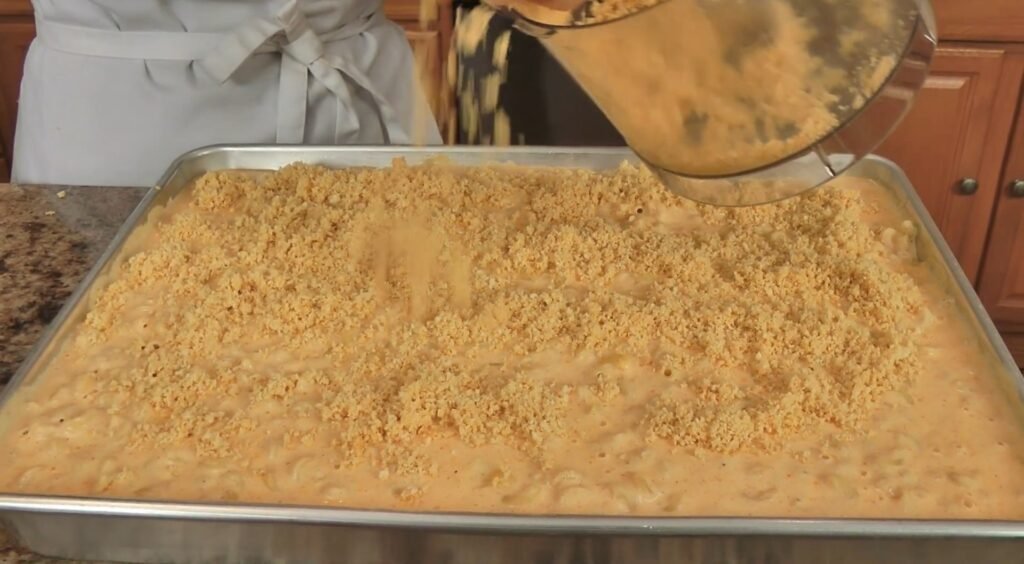
Scatter the buttery crumbs evenly over the entire surface of the mac and cheese, taking care to cover the edges where the pasta tends to crisp up in the oven. The crackers will form a golden, crunchy layer that contrasts beautifully with the soft, cheesy pasta beneath once baked.
Step 8: Bake and rest
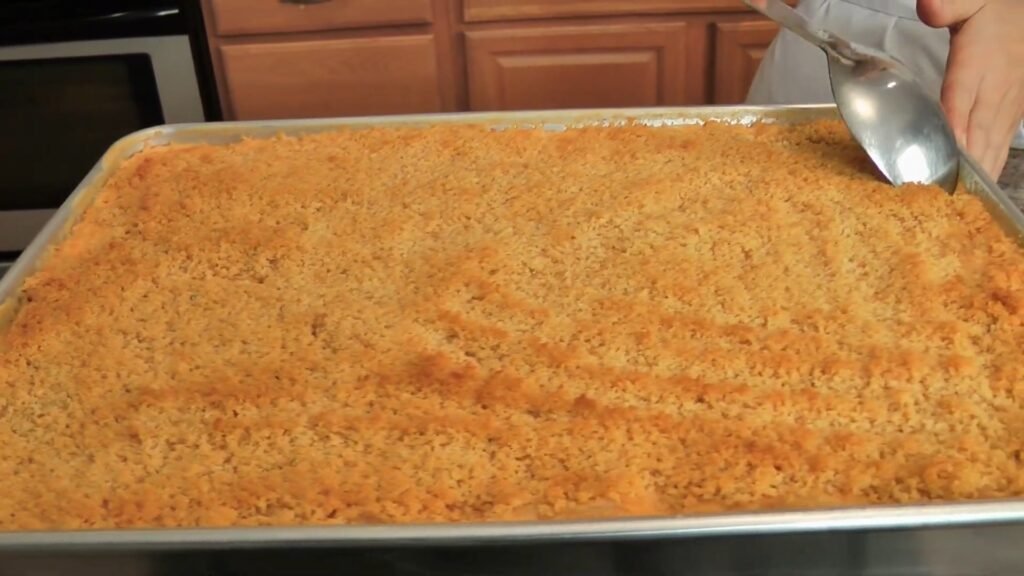
Slide the casserole into the preheated 350°F oven and bake until the top is deeply golden and the edges are bubbling, which typically takes around 40–45 minutes for this volume. If your oven has hot spots, rotate the dish halfway through baking to ensure even browning on all sides of the cracker topping.
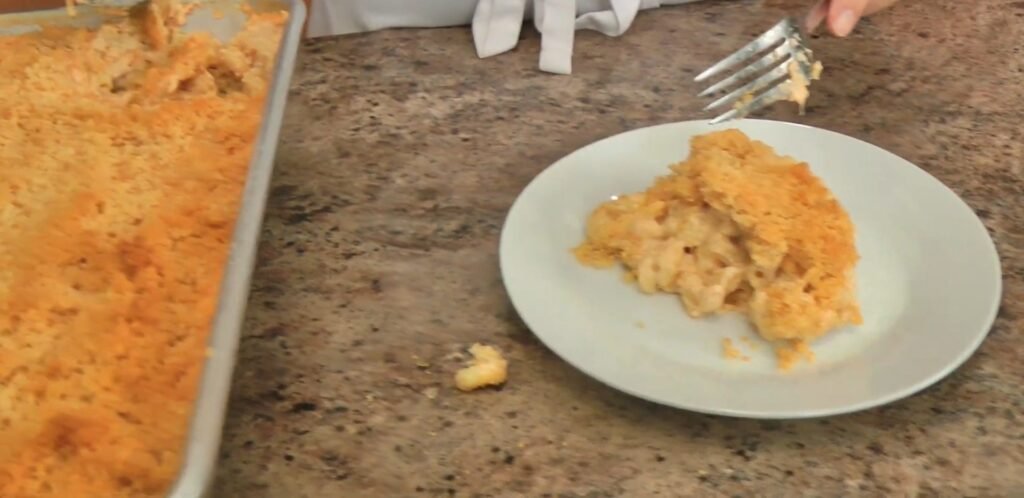
When the mac and cheese is done, remove it from the oven and allow it to rest for at least 10–15 minutes before serving so the sauce can thicken slightly and the portions hold together better when scooped. This resting time also makes it easier to transport the casserole to the table or to a potluck without the sauce running.
Extra tips for perfect big‑batch mac and cheese
For a crowd‑sized baked mac and cheese, controlling texture is essential, and the first key is stopping the pasta a little before al dente so it does not turn soft after its time in the oven. Salting the cooking water well and then coating the hot pasta in butter adds seasoning and richness from the beginning, which helps every bite taste well seasoned instead of relying only on the sauce.
Balancing cheeses also matters: sharp cheddar gives a pronounced cheesy flavor, American cheese provides smooth meltability, and mozzarella adds stretch and a mild creaminess, so combining them creates a sauce that is both bold and silky. If adjusting the cheeses based on what is available, keeping at least one sharp cheese and one good melter will preserve the character of the dish even if proportions change.
When making the roux and sauce in large quantity, patient stirring over medium heat prevents scorching; rushing over high heat can cause the milk solids to catch on the bottom or the cheese to become grainy. Adding the cheeses gradually and avoiding boiling once they are in keeps the emulsion stable and ensures that the finished sauce coats the pasta in a smooth, velvety layer rather than separating into oil and solids.
Finally, the topping is not just decorative; crushing the crackers to mixed sizes and thoroughly coating them in melted butter ensures that they crisp rather than dry out. Baking until the edges bubble and the crumbs are a deep golden color signals that the interior is hot, the sauce has thickened, and the dish will be at its most flavorful when served to a large group.
Essential Equipment Guide
- Large pot for boiling pasta.
- Very large buttered casserole dish (18x13x2 inches).
- Food processor for cracker topping.
Nutritional Information
Approximate values per serving for 20 (based on recipe ingredients; actual may vary).
| Nutrient | Amount per Serving |
|---|---|
| Calories | ~550 kcal |
| Total Fat | 28g |
| Saturated Fat | 17g |
| Carbohydrates | 55g |
| Protein | 20g |
| Sodium | ~600mg |
Pairings
- Grilled chicken or pulled pork for a hearty main.
- Fresh green salad to balance richness.
- Steamed vegetables like broccoli or green beans.
- Sparkling water or iced tea for parties.
Variations
- Swap elbow pasta for cavatappi or shells for better sauce hold.
- Add cooked bacon or lobster for protein boost.
- Use gluten-free pasta and flour blend for dietary needs.
- Increase paprika or add cayenne for spicy kick.
Recipe Timing
Print
Mac & Cheese for 20 Recipe: Easy Crowd-Pleaser for Parties
This baked mac and cheese for twenty is a rich, ultra‑creamy crowd‑pleaser layered with three cheeses and finished with a buttery Ritz cracker topping. It bakes up bubbly and golden in a large casserole, making it perfect for holidays, potlucks, or any time you need a reliable big‑batch side.
- Total Time: 1 Hr. 5 Mins
Ingredients
- 2 lb elbow pasta (or any short pasta of your choice)
- 8 cups whole milk
- 1½ cups heavy cream
- ½ cup unsalted butter (for the sauce)
- ½ cup all‑purpose flour
- 1½ Tbsp dried mustard
- 2 tsp paprika
- Plenty of salt and freshly ground black pepper, to taste
- 3 cups shredded sharp cheddar cheese
- 1 cup American cheese, cubed or roughly torn
- 1 cup shredded mozzarella cheese
- ¼ cup unsalted butter, for tossing the hot pasta
- 2 sleeves Ritz crackers
- ⅓ cup melted butter (for the topping)
Instructions
Begin by preheating the oven to 350°F (about 175°C) so it is hot and ready when the mac and cheese is assembled. Generously butter a very large casserole dish, making sure to coat the bottom and sides to prevent sticking and to add extra flavor around the edges.
Bring a big pot of well‑salted water to a rolling boil, then add the pasta and cook it until it is just shy of al dente, stopping a couple of minutes earlier than the package directions. This undercooking is crucial because the pasta will finish softening in the oven while absorbing the cheese sauce, which keeps the final dish from becoming mushy.
Step 2: Toss the pasta with butterOnce the pasta is slightly undercooked, drain it very well so no excess water dilutes the sauce. Return the hot pasta to the still‑warm pot and immediately add the ¼ cup of unsalted butter, tossing until every piece is lightly coated and glossy.
Tip the buttered pasta into the prepared casserole dish and spread it out in an even layer, gently loosening any clumps so the sauce will be able to flow through later. At this stage, set the pan aside while you move on to building the roux and the cheese sauce in the same large pot, which saves both time and dishes.
Step 3: Make the rouxPlace the now‑empty pasta pot back on the stove over medium heat and add the ½ cup of unsalted butter, letting it melt completely but not brown. Sprinkle in the flour and immediately start whisking; the mixture will turn into a smooth paste that should be cooked for a couple of minutes to remove the raw flour taste while staying pale.
Keep the roux moving with a whisk or wooden spoon, scraping the corners and bottom of the pot so nothing sticks or burns, because any scorched flour will affect the flavor of the final sauce. The goal is a silky, foamy paste that smells slightly nutty but still looks light in color, ready to accept the milk and cream.
Step 4: Build the cream sauceSlowly pour in the whole milk and heavy cream while whisking constantly, which helps prevent lumps and ensures a smooth, velvety base. Continue cooking the mixture over medium heat, stirring frequently and scraping around the edges until it thickens slightly to the texture of a light cream; it should coat the back of a spoon but not feel heavy or gluey.
At this stage, stir in the dried mustard, paprika, a generous pinch of salt, and plenty of freshly ground black pepper, letting the spices bloom in the hot sauce. The dried mustard adds depth and balances the richness of the cheese, while paprika brings warmth and a subtle color that keeps the sauce from looking flat.
Step 5: Melt in the cheesesLower the heat and start adding the shredded sharp cheddar, American cheese pieces, and shredded mozzarella a handful at a time, stirring slowly after each addition until it is mostly melted before adding more. Working gradually like this helps the cheeses blend in smoothly without clumping or separating, especially in such a large batch.
Continue until all the cheese is incorporated and the sauce looks thick, glossy, and luxurious, with no visible shreds remaining. Taste the sauce and adjust with extra salt and pepper if needed, remembering that the pasta itself is simply buttered, so all the flavor must come from this seasoned cheese mixture.
Step 6: Combine sauce and pastaCarefully pour the hot cheese sauce evenly over the buttered pasta waiting in the casserole dish, trying to distribute it across the surface rather than dumping it in one spot. Use a large spoon or spatula to gently fold and stir the pasta in the dish so every piece is coated, reaching all the way down to the bottom corners to avoid any dry patches.
Once the sauce is well distributed, smooth the top into an even layer; it does not have to be perfectly flat, but evening it out helps the topping brown uniformly. Let the assembled pasta sit briefly while you prepare the Ritz cracker crust, which will add a crisp, buttery contrast to the creamy interior.
Step 7: Make the Ritz cracker toppingPlace the Ritz crackers into a sturdy plastic bag or a bowl and crush them into coarse crumbs using your hands or a rolling pin; aim for a mix of fine crumbs and small pieces for the best texture. Transfer the crumbs to a bowl and drizzle over the ⅓ cup of melted butter, tossing until everything looks evenly moistened and the crumbs start to clump lightly.
Scatter the buttery crumbs evenly over the entire surface of the mac and cheese, taking care to cover the edges where the pasta tends to crisp up in the oven. The crackers will form a golden, crunchy layer that contrasts beautifully with the soft, cheesy pasta beneath once baked.
Step 8: Bake and restSlide the casserole into the preheated 350°F oven and bake until the top is deeply golden and the edges are bubbling, which typically takes around 40–45 minutes for this volume. If your oven has hot spots, rotate the dish halfway through baking to ensure even browning on all sides of the cracker topping.
When the mac and cheese is done, remove it from the oven and allow it to rest for at least 10–15 minutes before serving so the sauce can thicken slightly and the portions hold together better when scooped. This resting time also makes it easier to transport the casserole to the table or to a potluck without the sauce running.
- Prep Time: 20 Mins
- Cook Time: 45 Mins