
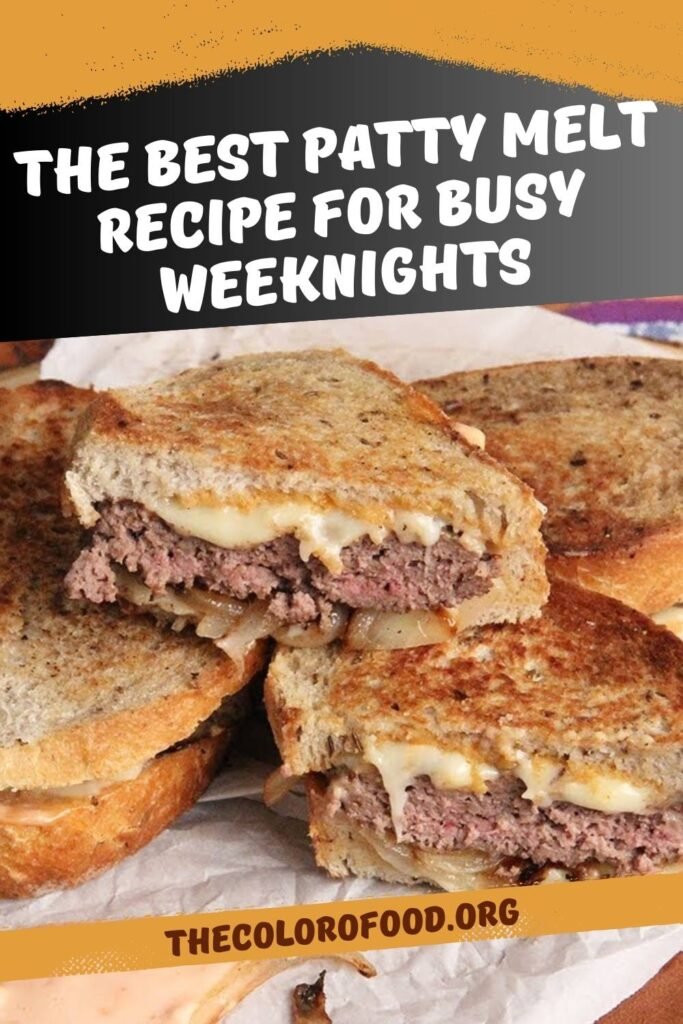
These patty melts are juicy ground beef sandwiches layered with caramelized onions, melty cheese, and a simple burger-style sauce, all grilled between buttery slices of rye bread. The method below turns your ingredient list into a clear, step‑by‑step 1000‑word recipe, with detailed cooking and pro tips built into each stage.
Ingredients
- 1 lb ground beef
- 2 tsp Worcestershire sauce
- 1 tsp salt‑free steak seasoning
- 1 tsp granulated garlic
- 1 tsp dry onion flakes
- Salt to taste
- 4 Tbsp unsalted butter
- 1 yellow onion, sliced into half‑moon slices
- 3 Tbsp mayonnaise
- 1½ Tbsp ketchup
- 8 slices American cheese (or any cheese you like)
- 8 slices rye bread (or any bread you like)
Rye bread, ground beef, caramelized onions and melty cheese are the classic components of a diner‑style patty melt. The mayo‑ketchup spread echoes a simple burger sauce and adds moisture so the sandwich stays juicy after grilling.
Step 1: Make the burger sauce
In a small bowl, combine the mayonnaise and ketchup until completely smooth and uniform in color. Taste the sauce and adjust if you prefer it a bit sweeter (add a touch more ketchup) or richer (add a little more mayo), then set aside at room temperature so it spreads easily later.
Spreading mayo or a mayo‑based sauce inside grilled sandwiches adds richness and helps insulate the bread from the meat juices. Keeping the sauce ready before you start cooking prevents your bread from sitting too long on a hot pan while you scramble to mix condiments.
Step 2: Slice and start the onions

Peel the yellow onion, cut it in half from root to tip, then slice each half into thin half‑moon slices of even thickness. Uniform slices ensure the onions soften and brown at the same time instead of some pieces burning while others stay raw.
Add 2 Tbsp of the unsalted butter to a large skillet and place it over medium‑low heat. Once the butter has melted and starts to foam gently, add the sliced onions and a small pinch of salt, then toss to coat every piece in the butter.
Cooking onions low and slow is essential for getting them soft, sweet and golden without burning. A little salt draws out their moisture, which helps them soften and start to caramelize evenly in the pan.
Step 3: Slowly caramelize the onions
Let the onions cook over medium‑low heat for about 20–25 minutes, stirring every few minutes so they color evenly. If they start to brown too quickly or crisp at the edges, lower the heat and add a teaspoon or two of water to loosen any bits from the bottom of the pan.
You are aiming for onions that are soft, deeply golden and jammy rather than dark and bitter. When they reach that stage, turn off the heat, transfer the onions to a plate and set them aside; you will re‑use this pan for grilling the sandwiches, so do not wash it.
Caramelized onions concentrate the natural sugars in the onion, adding sweetness that balances the savory beef and salty cheese. Taking the time here is what gives a patty melt its signature diner flavor instead of just tasting like a basic cheeseburger sandwich.
Step 4: Season and shape the patties

While the onions cook, place the ground beef in a mixing bowl and add the Worcestershire sauce, salt‑free steak seasoning, granulated garlic, dry onion flakes and a pinch of salt. Use your hands or a fork to gently work the seasoning through the meat just until it looks evenly distributed, being careful not to mash it into a paste.
Divide the meat into four equal portions and shape each into a thin oval patty roughly the same size and shape as your slices of bread. Press the centers slightly thinner than the edges so they cook evenly and do not puff up too much in the middle when they hit the pan.
Worcestershire sauce adds a savory, slightly tangy depth that mimics the flavor of a well‑grilled burger. Thin, bread‑shaped patties are important in patty melts because they give you a sandwich that is not too tall and ensures meat in every bite from corner to corner.
Step 5: Cook the beef patties

Heat a large skillet or griddle over medium to medium‑high heat and add about 1 Tbsp of butter. When the butter is melted and just starting to sizzle, lay the patties in the pan without crowding and let them cook undisturbed for 3–4 minutes until well browned on the bottom.
Flip the patties and cook for another 3–5 minutes, depending on how done you like your beef, until the center feels slightly springy and the juices run mostly clear. Transfer the cooked patties to a plate and let them rest for a couple of minutes so the juices redistribute before you assemble the sandwiches.
A good sear on the first side develops deep flavor through browning reactions, which is what makes the patty taste like it came off a flat‑top grill. Resting the burger briefly keeps the meat moist so the juices end up in the sandwich rather than leaking straight into the pan when you press the patty melt.
Step 6: Prepare and toast the bread

Lay out the 8 slices of rye bread and lightly spread one side of each slice with a thin layer of softened butter using the remaining butter. Flip four of the slices over and spread the un‑buttered side with a generous layer of the mayo‑ketchup sauce, leaving the other four slices buttered only.
Place a clean large skillet or griddle over medium heat and add a touch more butter only if the pan looks dry. Lay two slices of bread, butter‑side down, in the pan and toast just until the undersides start to turn light golden; this partial toasting helps the interior stay crisp once the sandwich is assembled and cooked.
Using butter on the outside of the bread helps create a crispy, golden crust similar to classic grilled cheese. Adding the sauce on the inside builds flavor while keeping the outside surface reserved for browning without burning sugars from condiments.
Step 7: Assemble the patty melts

To assemble directly in the pan, place a slice of cheese on top of each piece of toasting bread in the skillet. Add one cooked beef patty on top of the cheese, then spoon a generous layer of caramelized onions over each patty and top with another slice of cheese.
Finish each sandwich with a second piece of bread, sauce‑side down over the cheese and onions, so the buttered side faces out. Gently press with a spatula to compact the filling slightly, helping everything fuse together as the cheese melts.
Layering cheese both under and over the patty helps “glue” the onions and meat to the bread once the cheese melts. Building the sandwiches in the pan minimizes handling of hot fillings and ensures the bread, cheese and meat all heat at the same time.
Step 8: Grill the sandwiches

Cook the assembled patty melts over medium heat for about 2–3 minutes per side, pressing gently with a spatula to ensure even contact with the pan. Flip carefully once the first side is deeply golden and crisp, then cook the second side until the bread is equally toasted and the cheese is fully melted.

If the bread darkens before the cheese has melted, reduce the heat to low and cover the pan briefly to trap heat and finish melting the cheese without burning the exterior. Once done, transfer the sandwiches to a cutting board and let them sit for 1–2 minutes so the cheese thickens slightly before slicing.

Moderate heat is crucial here; too high and the bread will burn before the cheese softens, too low and the bread will dry out instead of turning crisp. Resting before cutting keeps the fillings from sliding out and gives you clean halves with well‑defined layers.
Step 9: Serve and customize

Cut each patty melt in half on the diagonal and serve immediately while still hot and gooey. These sandwiches pair well with simple sides like fries, chips, a crisp salad or pickles to cut through the richness.
You can swap the American cheese for Swiss, cheddar or a blend if you prefer a sharper or nuttier flavor. For extra flavor, add a light smear of mustard to the sauce, or serve with additional mayo‑ketchup on the side for dipping.
Extra tips for perfect patty melts
Using rye bread gives a gentle tang and a sturdy texture that holds up to the juicy filling, but sourdough or thick sandwich bread also work well if that is what you have. Slightly stale bread actually browns more evenly and absorbs less butter, so this recipe is excellent for using up day‑old loaves.
An 80/20 ground beef blend (80% lean, 20% fat) is ideal, because the fat keeps the patties juicy and adds richness without making the sandwiches greasy. If using leaner meat, consider adding a teaspoon of oil or an extra pat of butter to the pan to prevent the patties from drying out.
Cooking the onions first, then the patties, and finally assembling and grilling ensures you can manage everything in one or two pans without rushing. Leftover caramelized onions can be refrigerated and used later in omelets, burgers or grilled cheese, making the time investment even more worthwhile.
Essential Equipment Guide
- Large cast iron skillet
- Large bowl (for mixing patties)
- Spatula (for pressing sandwiches)
Nutritional Information
Approximate values per serving (1 sandwich, based on standard patty melt calculations using recipe ingredients).
| Nutrient | Amount per Serving |
|---|---|
| Calories | 750 |
| Protein | 35g |
| Carbohydrates | 45g |
| Fat | 45g |
| Sodium | 1200mg |
Pairings
- Crispy french fries for a classic diner experience
- Sweet potato fries to add a touch of sweetness
- Coleslaw for refreshing crunch
- Dill pickles on the side
Variations
- Use Swiss cheese instead of American for a traditional twist
- Swap rye bread for sourdough
- Add bacon strips for extra smokiness
- Make veggie patties with ground turkey or plant-based beef
Recipe Timing
Servings: 4
Prep Time: 20 minutes
Cook Time: 20 minutes
Print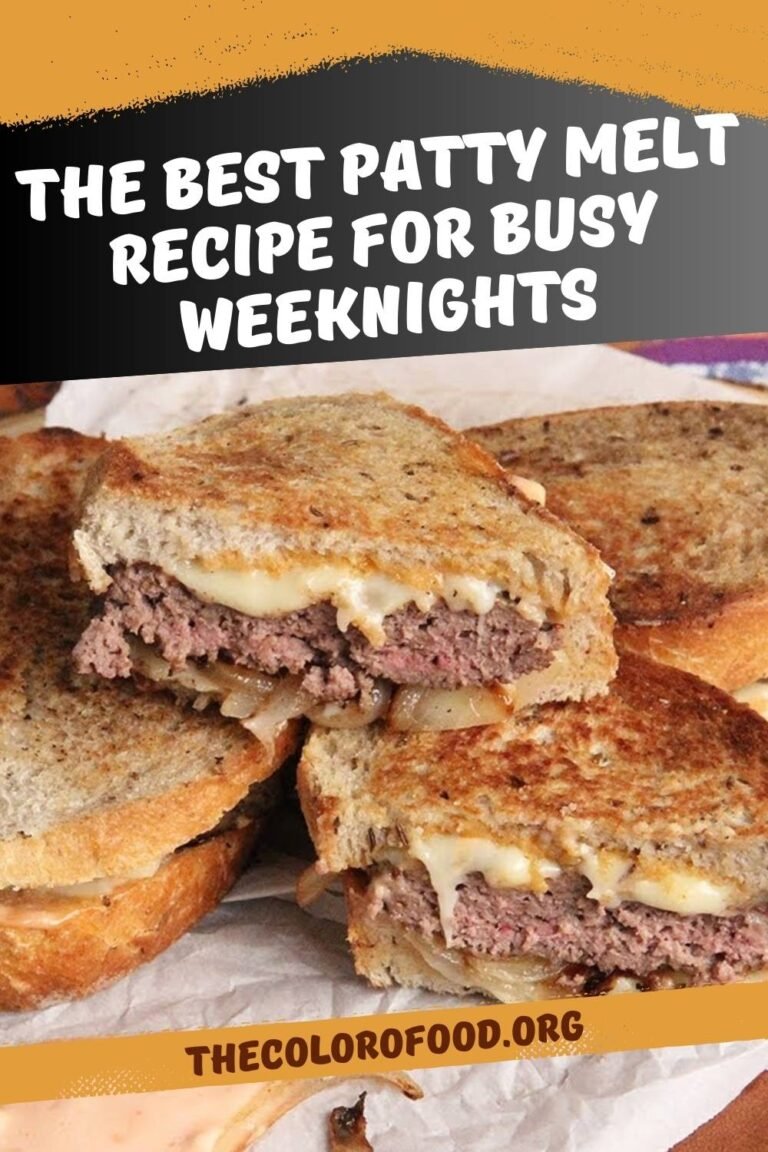
The Best Patty Melt Recipe for Busy Weeknights
These patty melts are juicy ground beef sandwiches layered with caramelized onions, melty cheese, and a simple burger-style sauce, all grilled between buttery slices of rye bread. The method below turns your ingredient list into a clear, step‑by‑step 1000‑word recipe, with detailed cooking and pro tips built into each stage.
- Total Time: 40 Mins
Ingredients
- 1 lb ground beef
- 2 tsp Worcestershire sauce
- 1 tsp salt‑free steak seasoning
- 1 tsp granulated garlic
- 1 tsp dry onion flakes
- Salt to taste
- 4 Tbsp unsalted butter
- 1 yellow onion, sliced into half‑moon slices
- 3 Tbsp mayonnaise
- 1½ Tbsp ketchup
- 8 slices American cheese (or any cheese you like)
- 8 slices rye bread (or any bread you like)
Instructions
In a small bowl, combine the mayonnaise and ketchup until completely smooth and uniform in color. Taste the sauce and adjust if you prefer it a bit sweeter (add a touch more ketchup) or richer (add a little more mayo), then set aside at room temperature so it spreads easily later.
Spreading mayo or a mayo‑based sauce inside grilled sandwiches adds richness and helps insulate the bread from the meat juices. Keeping the sauce ready before you start cooking prevents your bread from sitting too long on a hot pan while you scramble to mix condiments.
Step 2: Slice and start the onionsPeel the yellow onion, cut it in half from root to tip, then slice each half into thin half‑moon slices of even thickness. Uniform slices ensure the onions soften and brown at the same time instead of some pieces burning while others stay raw.
Add 2 Tbsp of the unsalted butter to a large skillet and place it over medium‑low heat. Once the butter has melted and starts to foam gently, add the sliced onions and a small pinch of salt, then toss to coat every piece in the butter.
Cooking onions low and slow is essential for getting them soft, sweet and golden without burning. A little salt draws out their moisture, which helps them soften and start to caramelize evenly in the pan.
Step 3: Slowly caramelize the onionsLet the onions cook over medium‑low heat for about 20–25 minutes, stirring every few minutes so they color evenly. If they start to brown too quickly or crisp at the edges, lower the heat and add a teaspoon or two of water to loosen any bits from the bottom of the pan.
You are aiming for onions that are soft, deeply golden and jammy rather than dark and bitter. When they reach that stage, turn off the heat, transfer the onions to a plate and set them aside; you will re‑use this pan for grilling the sandwiches, so do not wash it.
Caramelized onions concentrate the natural sugars in the onion, adding sweetness that balances the savory beef and salty cheese. Taking the time here is what gives a patty melt its signature diner flavor instead of just tasting like a basic cheeseburger sandwich.
Step 4: Season and shape the pattiesWhile the onions cook, place the ground beef in a mixing bowl and add the Worcestershire sauce, salt‑free steak seasoning, granulated garlic, dry onion flakes and a pinch of salt. Use your hands or a fork to gently work the seasoning through the meat just until it looks evenly distributed, being careful not to mash it into a paste.
Divide the meat into four equal portions and shape each into a thin oval patty roughly the same size and shape as your slices of bread. Press the centers slightly thinner than the edges so they cook evenly and do not puff up too much in the middle when they hit the pan.
Worcestershire sauce adds a savory, slightly tangy depth that mimics the flavor of a well‑grilled burger. Thin, bread‑shaped patties are important in patty melts because they give you a sandwich that is not too tall and ensures meat in every bite from corner to corner.
Step 5: Cook the beef pattiesHeat a large skillet or griddle over medium to medium‑high heat and add about 1 Tbsp of butter. When the butter is melted and just starting to sizzle, lay the patties in the pan without crowding and let them cook undisturbed for 3–4 minutes until well browned on the bottom.
Flip the patties and cook for another 3–5 minutes, depending on how done you like your beef, until the center feels slightly springy and the juices run mostly clear. Transfer the cooked patties to a plate and let them rest for a couple of minutes so the juices redistribute before you assemble the sandwiches.
A good sear on the first side develops deep flavor through browning reactions, which is what makes the patty taste like it came off a flat‑top grill. Resting the burger briefly keeps the meat moist so the juices end up in the sandwich rather than leaking straight into the pan when you press the patty melt.
Step 6: Prepare and toast the breadLay out the 8 slices of rye bread and lightly spread one side of each slice with a thin layer of softened butter using the remaining butter. Flip four of the slices over and spread the un‑buttered side with a generous layer of the mayo‑ketchup sauce, leaving the other four slices buttered only.
Place a clean large skillet or griddle over medium heat and add a touch more butter only if the pan looks dry. Lay two slices of bread, butter‑side down, in the pan and toast just until the undersides start to turn light golden; this partial toasting helps the interior stay crisp once the sandwich is assembled and cooked.
Using butter on the outside of the bread helps create a crispy, golden crust similar to classic grilled cheese. Adding the sauce on the inside builds flavor while keeping the outside surface reserved for browning without burning sugars from condiments.
Step 7: Assemble the patty meltsTo assemble directly in the pan, place a slice of cheese on top of each piece of toasting bread in the skillet. Add one cooked beef patty on top of the cheese, then spoon a generous layer of caramelized onions over each patty and top with another slice of cheese.
Finish each sandwich with a second piece of bread, sauce‑side down over the cheese and onions, so the buttered side faces out. Gently press with a spatula to compact the filling slightly, helping everything fuse together as the cheese melts.
Layering cheese both under and over the patty helps “glue” the onions and meat to the bread once the cheese melts. Building the sandwiches in the pan minimizes handling of hot fillings and ensures the bread, cheese and meat all heat at the same time.
Step 8: Grill the sandwichesCook the assembled patty melts over medium heat for about 2–3 minutes per side, pressing gently with a spatula to ensure even contact with the pan. Flip carefully once the first side is deeply golden and crisp, then cook the second side until the bread is equally toasted and the cheese is fully melted.
If the bread darkens before the cheese has melted, reduce the heat to low and cover the pan briefly to trap heat and finish melting the cheese without burning the exterior. Once done, transfer the sandwiches to a cutting board and let them sit for 1–2 minutes so the cheese thickens slightly before slicing.
Moderate heat is crucial here; too high and the bread will burn before the cheese softens, too low and the bread will dry out instead of turning crisp. Resting before cutting keeps the fillings from sliding out and gives you clean halves with well‑defined layers.
Step 9: Serve and customizeCut each patty melt in half on the diagonal and serve immediately while still hot and gooey. These sandwiches pair well with simple sides like fries, chips, a crisp salad or pickles to cut through the richness.
You can swap the American cheese for Swiss, cheddar or a blend if you prefer a sharper or nuttier flavor. For extra flavor, add a light smear of mustard to the sauce, or serve with additional mayo‑ketchup on the side for dipping.
- Prep Time: 20 Mins
- Cook Time: 20 Mins