

These Apricot Orange Muffins are tender, citrusy, and studded with chewy dried apricots, making them perfect for breakfast, brunch, or an afternoon snack. The combination of oats, brown sugar, and orange zest gives them a cozy bakery-style flavor and a beautiful aroma in your kitchen.
Ingredients
For 12 Apricot Orange Muffins, you will need:
- 1 ½ cups Flour
- 1 cup Quick Cooking Oats
- ¼ cup Sugar
- ¾ cup Brown Sugar
- 1 ½ tsp Baking Powder
- ¼ tsp Salt
- 2 Eggs
- 6 Tbsp Vegetable Oil
- 1 tsp Vanilla Extract
- Zest of 1 small Orange
- 2/3 cup Milk
- 2/3 cup finely chopped Dried Apricots
Preparing the muffin base
Begin by preheating your oven to 400°F (about 200°C) and lining a 12-cup muffin tin with paper liners, which helps the muffins release easily and keeps the texture tender on the sides. While the oven heats, finely chop the dried apricots so they distribute evenly through the batter and give a little bit of fruit in every bite.
In a small bowl, toss the chopped apricots with about 1 tablespoon of the flour taken from your measured 1 ½ cups; this light coating helps suspend the fruit in the batter so it does not sink to the bottom as the muffins bake. Set this apricot mixture aside while you build the wet and dry components of the batter in separate bowls to avoid overmixing later.
Mixing wet and dry ingredients
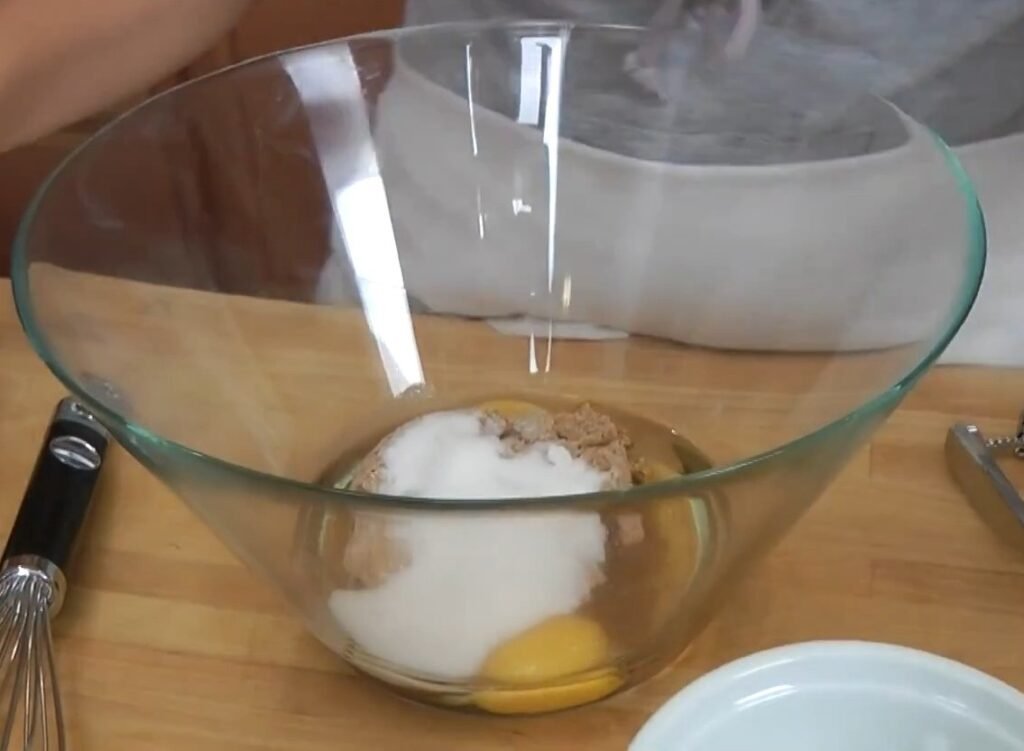
In a large mixing bowl, whisk together the eggs, vegetable oil, vanilla extract, both sugars, and the orange zest until the mixture looks smooth and slightly thickened. The brown sugar adds moisture and a slight caramel flavor, while the zest infuses the batter with bright citrus notes that balance the sweetness. Pour in the milk and whisk again to create a well-blended liquid base that will hydrate the flour and oats evenly once combined.
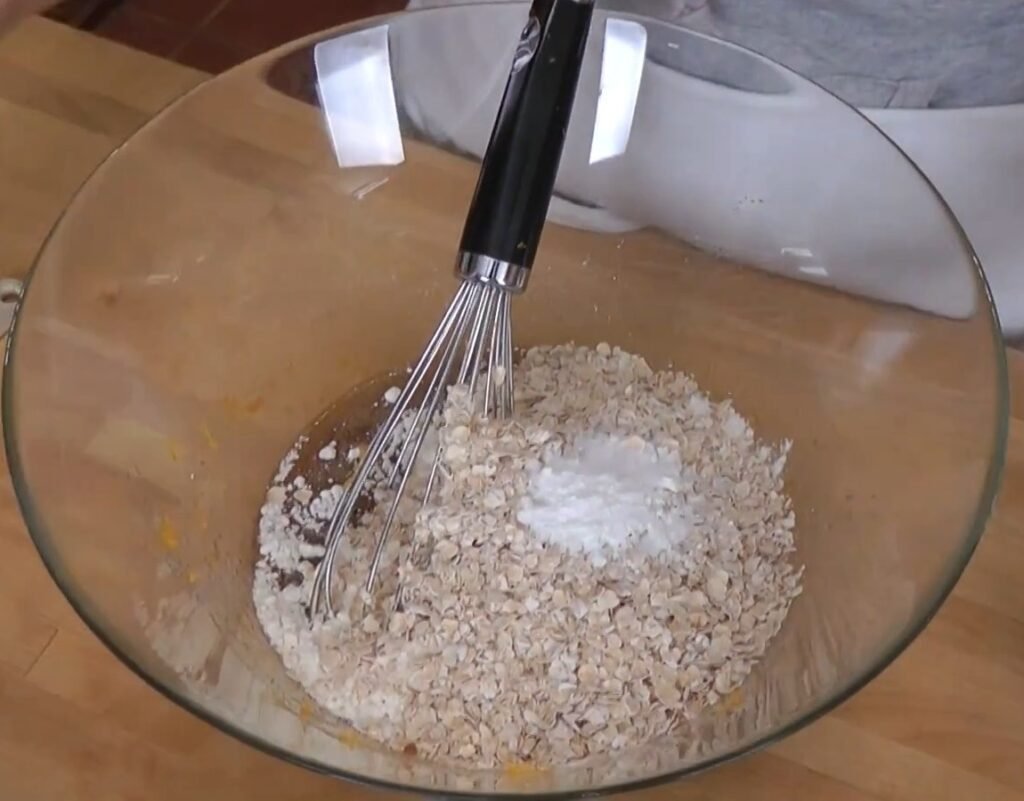
In a separate bowl, stir together the remaining flour, baking powder, salt, and quick cooking oats, making sure the baking powder and salt are distributed throughout so the muffins rise evenly. Adding the oats at this stage allows them to absorb some of the moisture during mixing and baking, giving the muffins a hearty, tender crumb rather than a dense, heavy texture.
Combining and baking
Add the dry mixture to the bowl of wet ingredients and gently fold everything together with a spatula until just combined; a few small streaks of flour are better than overmixing, which can make the muffins tough. Once the batter looks mostly uniform, tip in the flour-coated dried apricots and fold them through so they are evenly dispersed without working the batter too much.
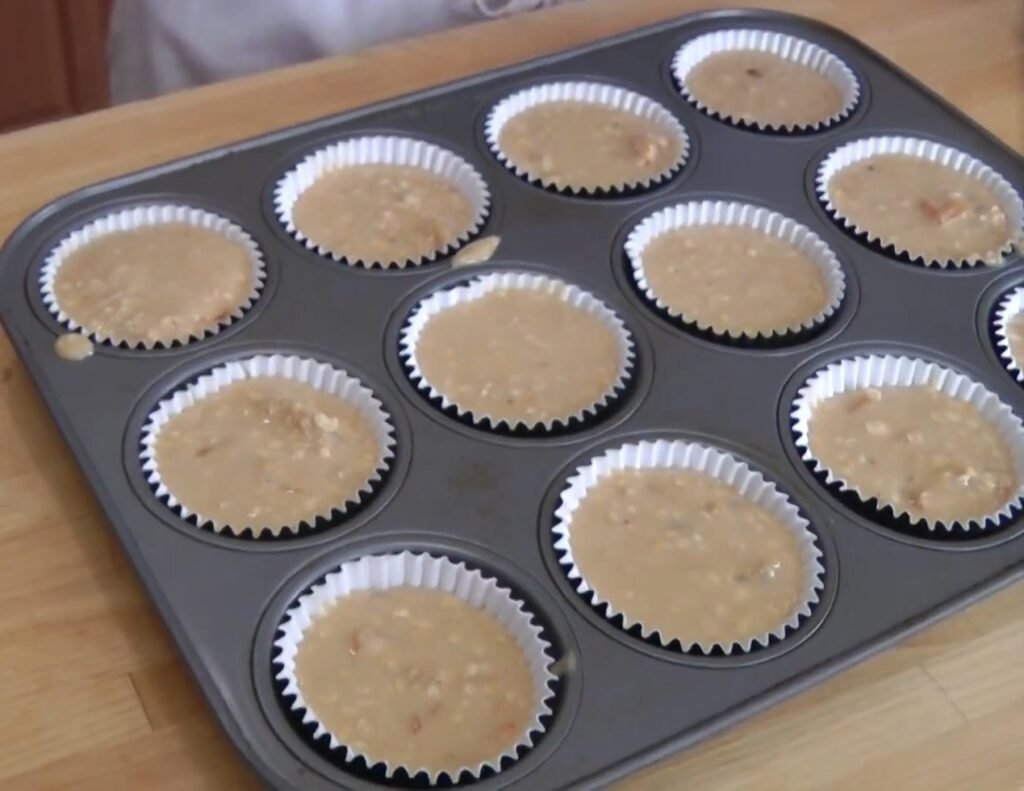
Use an ice cream scoop or large spoon to divide the batter among the 12 muffin liners, filling each cup nearly to the top for a nicely domed muffin. Slide the pan into the preheated oven and bake for about 20 to 25 minutes, or until the tops are golden and a toothpick inserted into the center of a muffin comes out clean or with just a few moist crumbs.
Cooling and serving
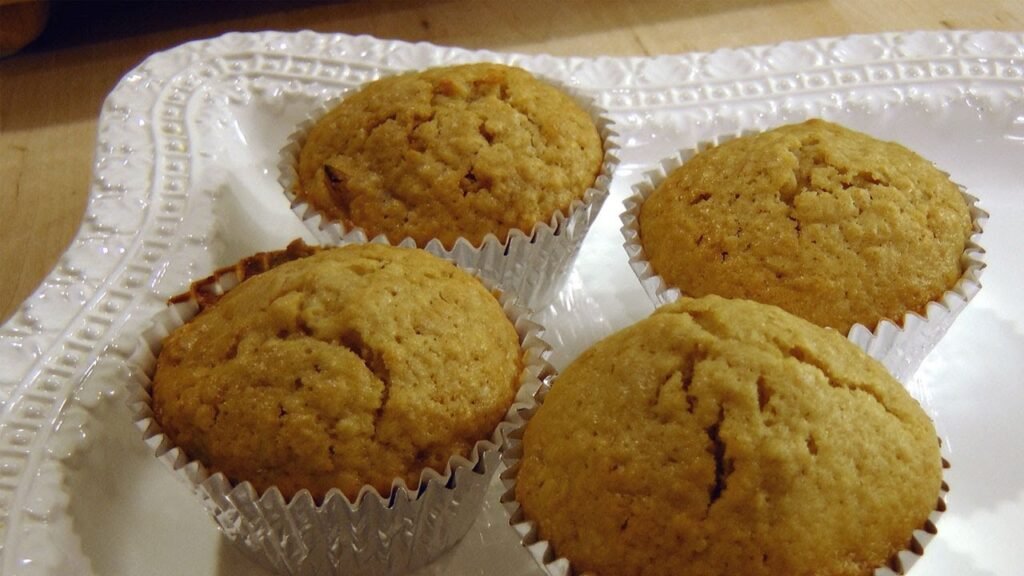
Once baked, let the muffins rest in the pan for a few minutes so they can firm up slightly and are easier to handle without breaking. Transfer them to a wire rack to cool further; serving them warm brings out the aroma of the orange zest and makes the apricot pieces pleasantly soft and chewy, but they are also delicious at room temperature.
These muffins pair well with a cup of coffee or tea, and they work beautifully as part of a brunch spread because the oats and fruit make them feel satisfying without being overly rich. Stored in an airtight container, they stay moist for a couple of days at room temperature, and they can also be frozen and briefly reheated for a quick breakfast on busy mornings.
Extra tips for perfect muffins
To get the best flavor from the orange, always zest it directly over the bowl of wet ingredients so the citrus oils fall into the batter instead of staying on your cutting board or grater. Use only the outer bright orange layer of the peel, avoiding the white pith underneath, which can add bitterness and dull the clean citrus taste.
When measuring the flour, use the spoon-and-level method: lightly spoon flour into your measuring cup and level it off with a straight edge rather than scooping directly from the bag, which compacts the flour and can lead to dry, dense muffins. The same care with the oats and sugars helps keep the balance of moisture and sweetness consistent, especially if you plan to scale the recipe for larger batches.
If you prefer a slightly lighter texture, you can let the mixed batter rest for 5 to 10 minutes before adding the apricots and baking, which allows the oats to hydrate a bit more and relaxes some of the gluten developed during mixing. For deeper caramel notes, lightly pack the brown sugar when measuring, but avoid pressing it too firmly, as that can oversweeten the batter and overshadow the delicate orange and apricot flavors.
Pan position and oven behavior also influence the final result, so place the muffin tin on the center rack for even heat circulation and avoid opening the oven door for at least the first 15 minutes of baking; sudden temperature drops can cause the muffins to collapse or bake unevenly. If your oven runs hot or tends to brown the tops quickly, you can reduce the temperature slightly and extend the baking time by a few minutes, checking with a toothpick to confirm doneness rather than relying solely on timing.
For an attractive finish, you can sprinkle a tiny pinch of oats or a light dusting of granulated sugar over each muffin before baking, which creates a subtle, crisp top that contrasts with the soft interior. If you want a more dessert-like feel, a simple orange glaze made from powdered sugar and a little fresh orange juice drizzled over the cooled muffins will echo the citrus notes without making them overly sweet.
Essential Equipment Guide
- Oven (preheat to 400 degrees)
- 12-piece muffin pan
- Muffin liners
- Small bowl (for apricots)
- Large bowl (for whisking)
- Whisk
- Ice cream scoop (for dividing batter)
- Toothpick (for testing doneness)
Nutritional Information
Approximate values per serving (1 muffin, based on recipe totals divided by 12; calculated from standard ingredient nutrition data).
| Nutrient | Amount per Serving |
|---|---|
| Calories | 220 |
| Total Fat | 8g |
| Carbohydrates | 35g |
| Protein | 4g |
| Fiber | 2g |
| Sugars | 20g |
Pairings
- Hot coffee or tea to balance the citrus sweetness.
- Greek yogurt for a creamy, protein-rich side.
- Fresh fruit salad with berries to enhance fruity notes.
- Herbal chamomile tea for a calming afternoon snack.
Variations
- Swap dried apricots for dried cranberries or cherries.
- Add chopped walnuts or pecans for crunch (½ cup).
- Use almond milk instead of regular milk for dairy-free option.
- Incorporate a streusel topping with oats, brown sugar, and butter.
Recipe Timing
Servings: Makes 12
Print
Apricot Orange Muffin Recipe | A Sunshine Flavor Burst
These Apricot Orange Muffins are tender, citrusy, and studded with chewy dried apricots, making them perfect for breakfast, brunch, or an afternoon snack. The combination of oats, brown sugar, and orange zest gives them a cozy bakery-style flavor and a beautiful aroma in your kitchen.
- Total Time: 40 Mins
Ingredients
For 12 Apricot Orange Muffins, you will need:
- 1 ½ cups Flour
- 1 cup Quick Cooking Oats
- ¼ cup Sugar
- ¾ cup Brown Sugar
- 1 ½ tsp Baking Powder
- ¼ tsp Salt
- 2 Eggs
- 6 Tbsp Vegetable Oil
- 1 tsp Vanilla Extract
- Zest of 1 small Orange
- 2/3 cup Milk
- 2/3 cup finely chopped Dried Apricots
Instructions
Begin by preheating your oven to 400°F (about 200°C) and lining a 12-cup muffin tin with paper liners, which helps the muffins release easily and keeps the texture tender on the sides. While the oven heats, finely chop the dried apricots so they distribute evenly through the batter and give a little bit of fruit in every bite.
In a small bowl, toss the chopped apricots with about 1 tablespoon of the flour taken from your measured 1 ½ cups; this light coating helps suspend the fruit in the batter so it does not sink to the bottom as the muffins bake. Set this apricot mixture aside while you build the wet and dry components of the batter in separate bowls to avoid overmixing later.
Mixing wet and dry ingredientsIn a large mixing bowl, whisk together the eggs, vegetable oil, vanilla extract, both sugars, and the orange zest until the mixture looks smooth and slightly thickened. The brown sugar adds moisture and a slight caramel flavor, while the zest infuses the batter with bright citrus notes that balance the sweetness. Pour in the milk and whisk again to create a well-blended liquid base that will hydrate the flour and oats evenly once combined.
In a separate bowl, stir together the remaining flour, baking powder, salt, and quick cooking oats, making sure the baking powder and salt are distributed throughout so the muffins rise evenly. Adding the oats at this stage allows them to absorb some of the moisture during mixing and baking, giving the muffins a hearty, tender crumb rather than a dense, heavy texture.
Combining and bakingAdd the dry mixture to the bowl of wet ingredients and gently fold everything together with a spatula until just combined; a few small streaks of flour are better than overmixing, which can make the muffins tough. Once the batter looks mostly uniform, tip in the flour-coated dried apricots and fold them through so they are evenly dispersed without working the batter too much.
Use an ice cream scoop or large spoon to divide the batter among the 12 muffin liners, filling each cup nearly to the top for a nicely domed muffin. Slide the pan into the preheated oven and bake for about 20 to 25 minutes, or until the tops are golden and a toothpick inserted into the center of a muffin comes out clean or with just a few moist crumbs.
Cooling and servingOnce baked, let the muffins rest in the pan for a few minutes so they can firm up slightly and are easier to handle without breaking. Transfer them to a wire rack to cool further; serving them warm brings out the aroma of the orange zest and makes the apricot pieces pleasantly soft and chewy, but they are also delicious at room temperature.
These muffins pair well with a cup of coffee or tea, and they work beautifully as part of a brunch spread because the oats and fruit make them feel satisfying without being overly rich. Stored in an airtight container, they stay moist for a couple of days at room temperature, and they can also be frozen and briefly reheated for a quick breakfast on busy mornings.
To get the best flavor from the orange, always zest it directly over the bowl of wet ingredients so the citrus oils fall into the batter instead of staying on your cutting board or grater. Use only the outer bright orange layer of the peel, avoiding the white pith underneath, which can add bitterness and dull the clean citrus taste.
When measuring the flour, use the spoon-and-level method: lightly spoon flour into your measuring cup and level it off with a straight edge rather than scooping directly from the bag, which compacts the flour and can lead to dry, dense muffins. The same care with the oats and sugars helps keep the balance of moisture and sweetness consistent, especially if you plan to scale the recipe for larger batches.
If you prefer a slightly lighter texture, you can let the mixed batter rest for 5 to 10 minutes before adding the apricots and baking, which allows the oats to hydrate a bit more and relaxes some of the gluten developed during mixing. For deeper caramel notes, lightly pack the brown sugar when measuring, but avoid pressing it too firmly, as that can oversweeten the batter and overshadow the delicate orange and apricot flavors.
Pan position and oven behavior also influence the final result, so place the muffin tin on the center rack for even heat circulation and avoid opening the oven door for at least the first 15 minutes of baking; sudden temperature drops can cause the muffins to collapse or bake unevenly. If your oven runs hot or tends to brown the tops quickly, you can reduce the temperature slightly and extend the baking time by a few minutes, checking with a toothpick to confirm doneness rather than relying solely on timing.
For an attractive finish, you can sprinkle a tiny pinch of oats or a light dusting of granulated sugar over each muffin before baking, which creates a subtle, crisp top that contrasts with the soft interior. If you want a more dessert-like feel, a simple orange glaze made from powdered sugar and a little fresh orange juice drizzled over the cooled muffins will echo the citrus notes without making them overly sweet.
- Prep Time: 15 Mins
- Cook Time: 25 Mins