
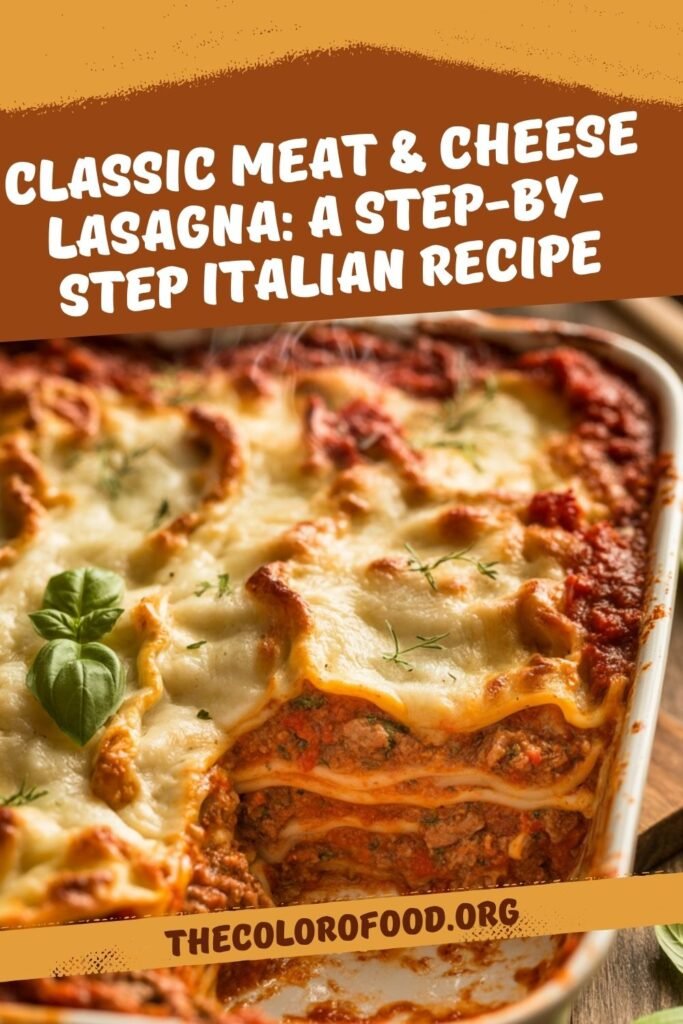
Lasagna is a timeless Italian dish renowned for its rich layers of pasta, hearty meat sauce, creamy cheeses, and fresh herbs. This recipe for Classic Meat & Cheese Lasagna blends robust flavors and satisfying textures, delivering a deeply comforting meal perfect for family dinners or special occasions. Follow this comprehensive guide to craft your own restaurant-quality lasagna right at home.
Ingredients Overview
For this recipe, the main components are dried lasagna sheets, a rich meat sauce, the classic ricotta and mozzarella cheeses, Parmigiano Reggiano, and fresh basil.
- Dried lasagna sheets: 1 lb
- Meat sauce: 6 to 7 cups
- Whole milk ricotta: 2 lbs
- Egg: 1 large
- Freshly grated Parmigiano Reggiano: 1 cup
- Fresh mozzarella (thinly sliced): 12 oz
- Fresh basil leaves: 5
For the Meat Sauce:
- Medium onion: 1
- Extra virgin olive oil: 3 tbsp
- Ground beef sirloin: 1 lb
- Sweet Italian sausage: 1 lb
- Dry red wine: 1 cup
- Tomato puree (canned): 3 cans (28 oz each)
- Fresh basil leaves: 10
- Salt and pepper to taste
Step 1: Preparing the Meat Sauce
A great lasagna starts with a flavorful meat sauce that simmers to tender, aromatic perfection.
- Dice the onion finely.
- Heat olive oil in a large, heavy-bottomed pot over medium heat.
- Add the diced onion and sauté for about 5 minutes until translucent.
- Add the ground beef sirloin and sweet Italian sausage (remove casings if needed). Season with salt and pepper. Brown the meat mixture thoroughly, breaking up large chunks with a spoon. This will take about 8-10 minutes.
- Pour in the cup of dry red wine. Let it simmer until the wine reduces by half, concentrating the flavor (about 5 minutes).
- Add the three cans of tomato puree and stir to combine.
- Tear the fresh basil leaves roughly and add them to the sauce.
- Reduce heat to low and simmer uncovered for at least 1 hour, stirring occasionally. The sauce should thicken and deepen in flavor.
This slow simmer produces a luscious meat sauce essential for balancing the richness of the cheeses and pasta.
Step 2: Preparing the Cheese Mixture
Ricotta and Parmigiano Reggiano add creaminess and a savory bite to the lasagna layers.
- In a mixing bowl, combine the whole milk ricotta with one egg — the egg acts as a binder to keep the ricotta creamy but firm after baking.
- Add ¾ cup of the freshly grated Parmigiano Reggiano to the mixture.
- Season with salt and pepper to taste.
- Mix gently until just combined; avoid overmixing to maintain a light texture.
Step 3: Preparing the Lasagna Sheets
Because this recipe uses dried lasagna sheets, pre-cooking is necessary to ensure tenderness.
- Bring a large pot of salted water to a boil.
- Boil the dried lasagna sheets in batches, stirring occasionally, until al dente but still pliable (usually 8-10 minutes).
- Drain and lay the sheets flat on a clean kitchen towel or parchment paper to prevent sticking.
Step 4: Assembling the Lasagna
Assembly is where the magic happens — layering pasta, sauce, cheese, and fresh basil to build the classic lasagna structure.
- Preheat your oven to 375°F (190°C).
- Lightly grease a large rectangular baking dish to prevent sticking.
- Start with a thin base layer of meat sauce in the bottom of the dish to prevent sticking.
- Lay down a single layer of boiled lasagna sheets, slightly overlapping if needed.
- Spread a generous layer of the ricotta mixture over the pasta, smoothing evenly.
- Spoon a layer of meat sauce over the ricotta.
- Scatter several slices of fresh mozzarella over the sauce.
- Sprinkle some fresh basil leaves evenly across this layer for bright herbal notes.
- Repeat these layers — pasta, ricotta mix, meat sauce, mozzarella, basil — until you reach the top of the dish or run out of ingredients. The final top layer should be meat sauce covered with mozzarella slices and the remaining ¼ cup of Parmigiano Reggiano sprinkled over.
- Cover the dish tightly with aluminum foil to prevent drying out.
Step 5: Baking the Lasagna
The baking process melds all the layers into a cohesive, bubbling masterpiece.
- Place the covered lasagna in the preheated oven.
- Bake for 45 minutes.
- Remove the foil and bake uncovered for another 15 minutes, or until the cheese on top is golden and bubbly.
- Let the lasagna rest for 15-20 minutes after removing from the oven to allow the layers to set, making slicing easier.
Step 6: Serving Suggestions
To serve your classic lasagna:
- Cut into generous squares, using a spatula to lift each piece.
- Garnish with freshly chopped basil or a sprinkle of Parmigiano Reggiano for extra flavor.
- Pair with a crisp green salad and crusty garlic bread to balance the rich lasagna.
Tips for Success
Taking a little extra care at each stage of the process is what transforms a basic lasagna into a dish that tastes like it came from a cozy Italian trattoria. Thoughtful attention to the sauce, pasta, layering, and baking will reward you with perfectly set slices, balanced flavor, and a tender, cheesy top instead of a dried-out casserole.
Choose Quality Ingredients
Using good-quality ingredients makes a big difference in such a simple, classic dish. Whole milk ricotta, fresh mozzarella, and a wedge of real Parmigiano Reggiano will melt more smoothly, taste richer, and give the lasagna a luxurious texture. Opt for a dry red wine that you would actually enjoy drinking, because its flavor concentrates as the sauce simmers and becomes a backbone of the meat sauce rather than a harsh, alcoholic note.
Build a Deep, Flavorful Sauce
The meat sauce is the soul of this lasagna, so give it time to develop. Let the onion soften fully before adding the meat so it becomes sweet and mellow instead of sharp. Browning the beef and sausage well, rather than just cooking until gray, builds a deep, savory base. When the wine goes in, allow it to reduce until the pan no longer smells strongly of alcohol and the sauce looks slightly thicker and glossy. A long, gentle simmer after adding the tomato puree lets the flavors marry and the meat become tender, so avoid rushing this step if you want restaurant-level results.
Aim for the Right Sauce Consistency
The texture of the meat sauce is just as important as its flavor. If the sauce is too thin and watery, the lasagna can turn soupy and the layers may slide apart when sliced. If it is too thick and dry, the noodles will soak up too much moisture and the finished dish can feel heavy or chalky. The goal is a sauce that slowly blankets the back of a spoon: thick enough to cling, but still loose enough to spoon and spread easily over the pasta. If it seems overly thin as it simmers, let it bubble a bit longer; if it gets too thick, a small splash of water or extra puree can bring it back into balance.
Season Thoughtfully at Every Stage
Rather than dumping in a lot of salt at the end, season lightly in layers. Add a modest amount of salt and pepper when browning the meats, then taste and adjust after the sauce has simmered. Salt the pasta water generously so the lasagna sheets themselves have flavor. Season the ricotta mixture as well, remembering that Parmigiano and sausage both contribute salt. This layered seasoning approach creates a balanced, well-rounded lasagna where every bite tastes complete, instead of a dish that is bland inside and overly salty on the surface.
Cook the Pasta Just to Al Dente
Because the lasagna sheets will continue to cook in the oven as they absorb moisture from the sauce, it is important not to boil them fully soft. Cook the dried lasagna sheets just until al dente, so they still have a little bite and feel slightly underdone in the center. As the lasagna bakes, they will finish cooking and turn tender without falling apart. After draining, lay the sheets flat on clean kitchen towels or parchment rather than stacking them; this keeps them from sticking and tearing when you start assembling layers.
Keep the Ricotta Mixture Creamy, Not Runny
The ricotta layer should be rich and creamy but still hold its shape when spread. Using whole milk ricotta and binding it with an egg helps it set into soft, delicate layers that slice cleanly. If your ricotta seems very wet, you can let it drain briefly in a fine-mesh sieve or cheesecloth before mixing. Avoid overmixing the ricotta with the egg and cheese, as too much agitation can make it dense. A gentle stir until everything is just combined keeps the texture light and luscious.
Layer Evenly for Structure
Thoughtful layering is key to a lasagna that looks as good as it tastes. Start with a thin veil of sauce on the bottom of the dish to keep the first layer of pasta from sticking or drying out. As you build, aim for even, consistent layers rather than big mounds in the center and bare corners. Spread the ricotta mixture all the way to the edges, then follow with an even spooning of meat sauce and an orderly layer of mozzarella slices. This consistency ensures that each portion gets all the components: pasta, sauce, ricotta, mozzarella, and basil in every bite.
Balance Cheese and Sauce
It is tempting to overload lasagna with cheese, but balance is what makes it satisfying instead of overwhelming. The ricotta mixture provides creaminess, the mozzarella gives stretch and melt, and the Parmigiano adds sharp, nutty depth. Make sure that each cheese layer is paired with enough sauce so the dish stays moist and the flavors do not turn one-dimensional. The top should have a generous but not excessive layer of mozzarella and Parmigiano so it browns beautifully without forming a tough, rubbery crust.
Control Moisture to Avoid Sogginess or Dryness
Great lasagna should be moist and saucy without being watery, and tender without dried-out edges. If your sauce is already quite loose, use a slightly thinner ricotta layer so the overall moisture stays in check. Conversely, if the sauce is on the thick side, a bit more ricotta or an extra spoonful of sauce between layers can keep the dish from drying out. Covering the pan tightly with foil for most of the baking time traps steam, allowing the noodles to cook through and the cheeses to melt gently. Removing the foil near the end lets the top brown and concentrate without baking off too much moisture.
Bake Until Bubbly and Golden
Visual cues are more reliable than the clock alone. The lasagna is ready when the edges are bubbling vigorously, the top cheese is melted and golden in spots, and a knife inserted in the center meets very little resistance from the noodles. If the top is browning too quickly while the center still feels firm, loosely tent the dish with foil again to prevent burning while it finishes cooking. On the other hand, if the top looks too pale when the noodles are tender, a few extra minutes uncovered can give you that appetizing, lightly caramelized finish.
Let It Rest Before Slicing
Allowing the lasagna to rest after baking is one of the most important and most overlooked steps. When it first comes out of the oven, the sauce is very fluid and the cheese is molten, so cutting into it immediately will cause the layers to slide and the pieces to collapse. Let the dish stand on the counter for 15–20 minutes before slicing. This brief rest gives the ricotta time to set and the sauce to thicken slightly, resulting in clean, attractive slices that hold together on the plate while still being piping hot at the center.
Make Ahead and Reheat Like a Pro
Lasagna is a fantastic make-ahead dish, and planning ahead can actually improve the final texture. Assembled but unbaked lasagna can be covered tightly and refrigerated for several hours or overnight, giving the noodles time to soften slightly in the sauce. When ready to bake, bring the dish closer to room temperature for a bit, then bake until hot and bubbly, adding a few extra minutes if it started cold. Leftover slices reheat well in a moderate oven, covered with foil to prevent drying, and often taste even better the next day as the flavors continue to meld.
Essential Equipment Guide
- Large saucepan
- Wooden spoon
- Large bowl
- 13×9 deep dish casserole dish
- Pot for boiling lasagna sheets
Nutritional Information
Approximate values per serving (based on 8 servings; full recipe yields a hearty lasagna with meat sauce, ricotta, mozzarella, and parmigiano).
| Nutrient | Amount per Serving |
|---|---|
| Calories | ~650-750 |
| Total Fat | 35g |
| Saturated Fat | 15g |
| Protein | 40g |
| Carbohydrates | 50g |
| Sodium | 1200mg |
Pairings
- Garlic bread or crusty Italian rolls to soak up extra sauce.
- Simple green salad with balsamic vinaigrette for freshness.
- Chianti or Sangiovese red wine to complement the meaty flavors.
Variations
- Use ground turkey or chicken instead of beef and sausage for a lighter version.
- Add spinach or mushrooms to the ricotta mixture for vegetables.
- Swap mozzarella for provolone or fontina for different meltiness.
Recipe Timing
- Prep Time: 30 minutes (plus 4 hours for meat sauce).
- Cook Time: 1 hour baking (plus 4-5 minutes partial boil for noodles).
- Servings: 6-8.
This Classic Meat & Cheese Lasagna recipe brings together traditional Italian cooking techniques with accessible ingredients. By following these detailed steps, you’ll achieve layers of tender pasta, savory sauce, creamy cheese, and fragrant basil that define an authentic homemade lasagna experience.
Enjoy this hearty dish as a centerpiece for celebrations or a cozy family dinner, impressing all with your culinary skills and love for Italian cuisine.
Print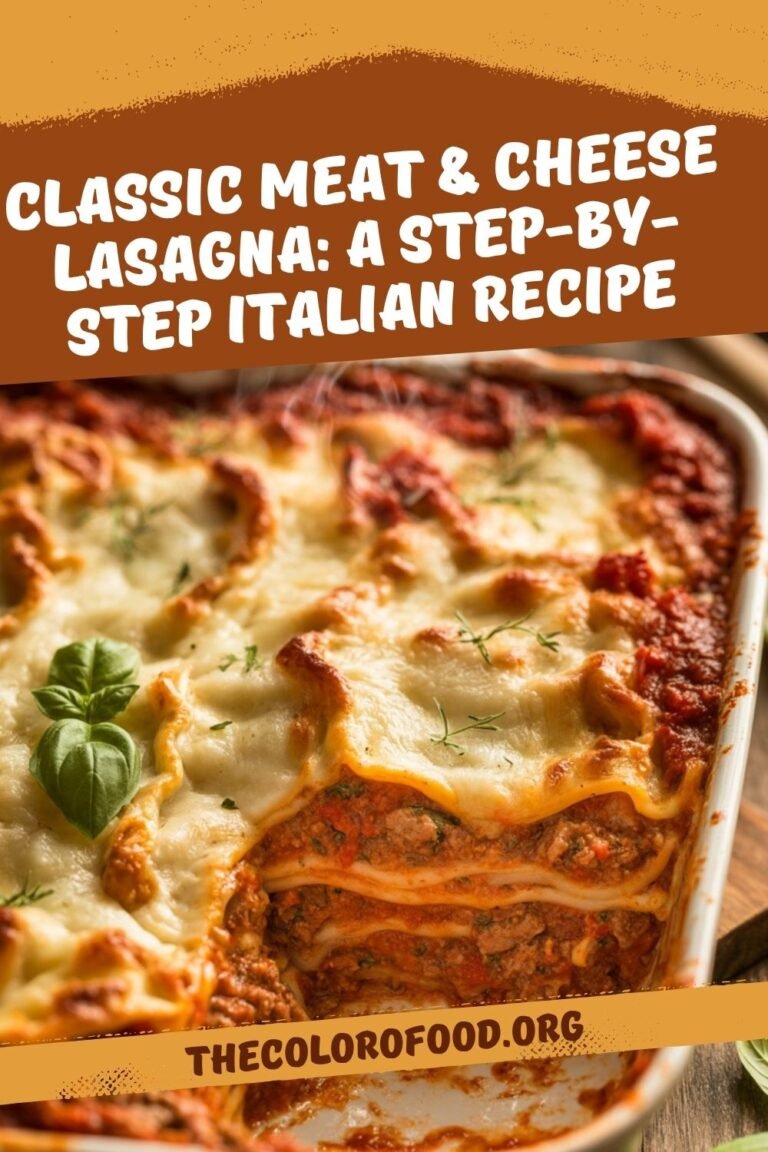
Classic Meat & Cheese Lasagna: A Step-by-Step Recipe to Homemade Italian Excellence
Lasagna is a timeless Italian dish renowned for its rich layers of pasta, hearty meat sauce, creamy cheeses, and fresh herbs. This recipe for Classic Meat & Cheese Lasagna blends robust flavors and satisfying textures, delivering a deeply comforting meal perfect for family dinners or special occasions. Follow this comprehensive guide to craft your own restaurant-quality lasagna right at home.
- Total Time: 1 Hr 30 Mins
Ingredients
For this recipe, the main components are dried lasagna sheets, a rich meat sauce, the classic ricotta and mozzarella cheeses, Parmigiano Reggiano, and fresh basil.
- Dried lasagna sheets: 1 lb
- Meat sauce: 6 to 7 cups
- Whole milk ricotta: 2 lbs
- Egg: 1 large
- Freshly grated Parmigiano Reggiano: 1 cup
- Fresh mozzarella (thinly sliced): 12 oz
- Fresh basil leaves: 5
For the Meat Sauce:
- Medium onion: 1
- Extra virgin olive oil: 3 tbsp
- Ground beef sirloin: 1 lb
- Sweet Italian sausage: 1 lb
- Dry red wine: 1 cup
- Tomato puree (canned): 3 cans (28 oz each)
- Fresh basil leaves: 10
- Salt and pepper to taste
Instructions
Step 1: Preparing the Meat Sauce
A great lasagna starts with a flavorful meat sauce that simmers to tender, aromatic perfection.
- Dice the onion finely.
- Heat olive oil in a large, heavy-bottomed pot over medium heat.
- Add the diced onion and sauté for about 5 minutes until translucent.
- Add the ground beef sirloin and sweet Italian sausage (remove casings if needed). Season with salt and pepper. Brown the meat mixture thoroughly, breaking up large chunks with a spoon. This will take about 8-10 minutes.
- Pour in the cup of dry red wine. Let it simmer until the wine reduces by half, concentrating the flavor (about 5 minutes).
- Add the three cans of tomato puree and stir to combine.
- Tear the fresh basil leaves roughly and add them to the sauce.
- Reduce heat to low and simmer uncovered for at least 1 hour, stirring occasionally. The sauce should thicken and deepen in flavor.
This slow simmer produces a luscious meat sauce essential for balancing the richness of the cheeses and pasta.
Step 2: Preparing the Cheese Mixture
Ricotta and Parmigiano Reggiano add creaminess and a savory bite to the lasagna layers.
- In a mixing bowl, combine the whole milk ricotta with one egg — the egg acts as a binder to keep the ricotta creamy but firm after baking.
- Add ¾ cup of the freshly grated Parmigiano Reggiano to the mixture.
- Season with salt and pepper to taste.
- Mix gently until just combined; avoid overmixing to maintain a light texture.
Step 3: Preparing the Lasagna Sheets
Because this recipe uses dried lasagna sheets, pre-cooking is necessary to ensure tenderness.
- Bring a large pot of salted water to a boil.
- Boil the dried lasagna sheets in batches, stirring occasionally, until al dente but still pliable (usually 8-10 minutes).
- Drain and lay the sheets flat on a clean kitchen towel or parchment paper to prevent sticking.
Step 4: Assembling the Lasagna
Assembly is where the magic happens — layering pasta, sauce, cheese, and fresh basil to build the classic lasagna structure.
- Preheat your oven to 375°F (190°C).
- Lightly grease a large rectangular baking dish to prevent sticking.
- Start with a thin base layer of meat sauce in the bottom of the dish to prevent sticking.
- Lay down a single layer of boiled lasagna sheets, slightly overlapping if needed.
- Spread a generous layer of the ricotta mixture over the pasta, smoothing evenly.
- Spoon a layer of meat sauce over the ricotta.
- Scatter several slices of fresh mozzarella over the sauce.
- Sprinkle some fresh basil leaves evenly across this layer for bright herbal notes.
- Repeat these layers — pasta, ricotta mix, meat sauce, mozzarella, basil — until you reach the top of the dish or run out of ingredients. The final top layer should be meat sauce covered with mozzarella slices and the remaining ¼ cup of Parmigiano Reggiano sprinkled over.
- Cover the dish tightly with aluminum foil to prevent drying out.
Step 5: Baking the Lasagna
The baking process melds all the layers into a cohesive, bubbling masterpiece.
- Place the covered lasagna in the preheated oven.
- Bake for 45 minutes.
- Remove the foil and bake uncovered for another 15 minutes, or until the cheese on top is golden and bubbly.
- Let the lasagna rest for 15-20 minutes after removing from the oven to allow the layers to set, making slicing easier.
Step 6: Serving Suggestions
To serve your classic lasagna:
- Cut into generous squares, using a spatula to lift each piece.
- Garnish with freshly chopped basil or a sprinkle of Parmigiano Reggiano for extra flavor.
- Pair with a crisp green salad and crusty garlic bread to balance the rich lasagna.
- Prep Time: 30 Mins
- Cook Time: 1 hr