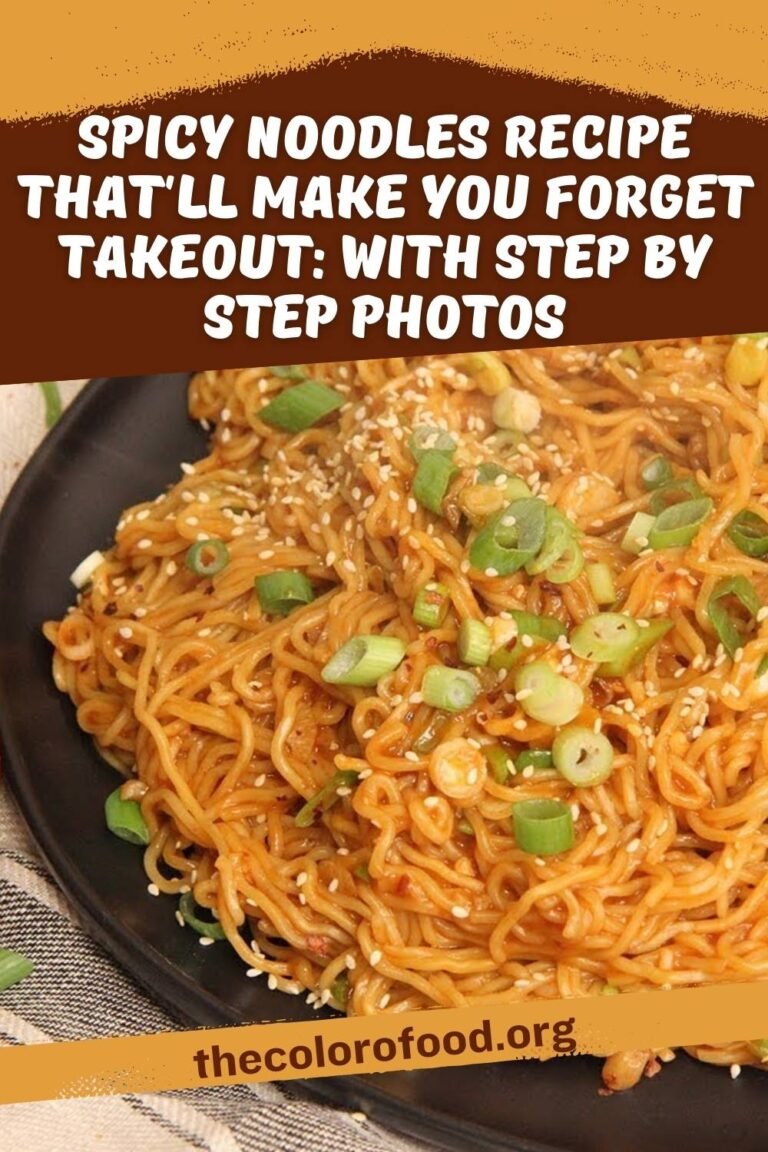
Ingredients
- 12 oz of fresh ramen noodles, or 8 oz of any dried noodles you like
- 3 cloves of garlic, sliced
- 1 Tbsp neutral oil (vegetable, canola or light olive oil)
- 2 Tbsp sambal chili paste
- 2 Tbsp tomato paste
- 1¼ cups water or chicken stock
- 4 Tbsp soy sauce
- 1 Tbsp honey
- 2 tsp ginger paste
- 2 tsp rice vinegar
- 1 Tbsp toasted sesame oil
- 3 scallions, chopped
- Salt, for the noodle cooking water
Instructions
1. Prep the ingredients
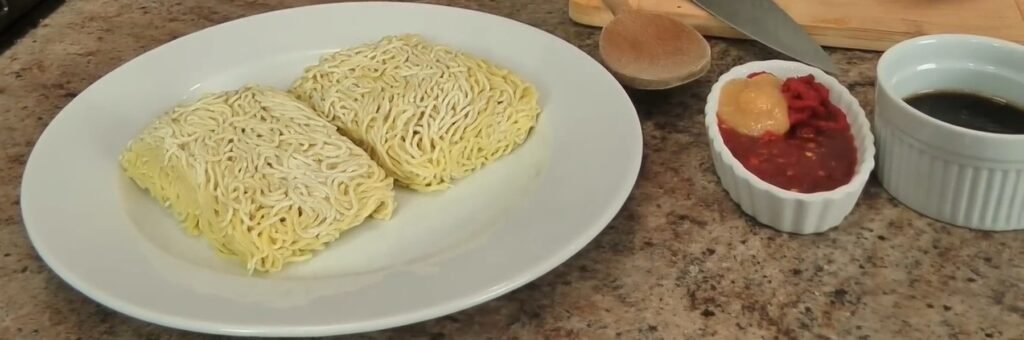
Before turning on the stove, gather and prepare everything so the cooking process stays smooth and quick.
- Peel and thinly slice the garlic cloves so they cook quickly and perfume the oil without burning.
- Finely chop the scallions, keeping them in one bowl, since they are added together near the end.
- In a small bowl, combine the sambal chili paste, tomato paste and ginger paste; this makes it easier to add them at once when the garlic is ready.
- In a separate jug or bowl, mix the water or chicken stock with soy sauce, honey, rice vinegar and toasted sesame oil to create the liquid base for the sauce.
Having everything measured and ready is essential here, because once the garlic hits the oil, the rest of the sauce builds in just a few minutes.
2. Bring the noodle water to a boil
Set a large pot of water over high heat and season it generously with salt, just as you would for pasta.
If using fresh ramen noodles, know that they cook very fast, so you want the water ready but will drop them in only after the sauce is underway.
If using dried noodles, they will take a bit longer and bulk up more, so plan to cook slightly more than half a pound to match the sauce amount.
Keeping the water at a steady boil ensures the noodles cook evenly and do not become gummy or overcooked before they hit the sauce.
3. Start the garlic in oil
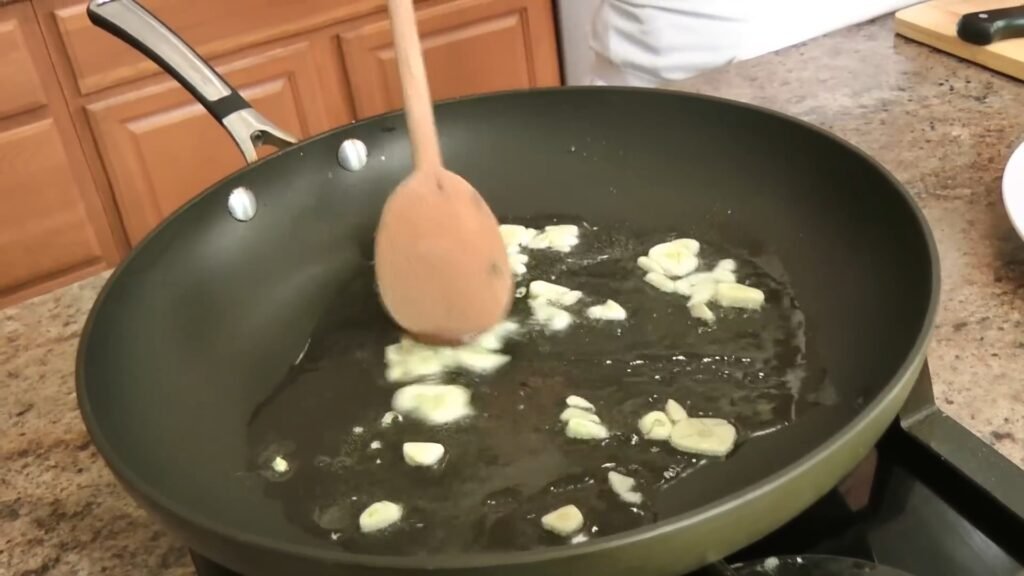
Place a large skillet over medium heat and add the neutral oil, letting it heat just until it shimmers.
Add the sliced garlic and let it sizzle very gently for a brief moment, watching closely to avoid browning or burning.
The goal is to infuse the oil with garlic flavor and soften the slices slightly, not to caramelize them.
Keeping the heat at medium helps control the garlic and gives you time to add the next components of the sauce without rushing.
4. Build the spicy base
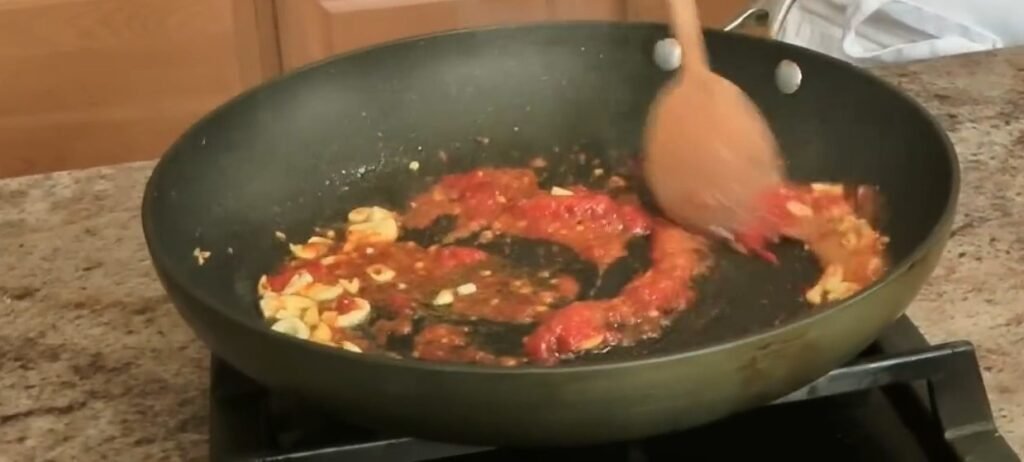
Once the garlic is lightly sizzling and fragrant, add the prepared mixture of sambal chili paste, tomato paste and ginger paste to the skillet.
Expect some splattering as the chili mixture hits the hot oil; this is normal and part of blooming the flavors, but you can stand back briefly for safety.
Let this mixture cook for a few seconds, stirring constantly so the pastes coat the garlic and toast slightly, which deepens their flavor.
This step creates a concentrated spicy and aromatic base that will carry the rest of the sauce and ultimately cling beautifully to the noodles.
5. Add liquids and simmer the sauce
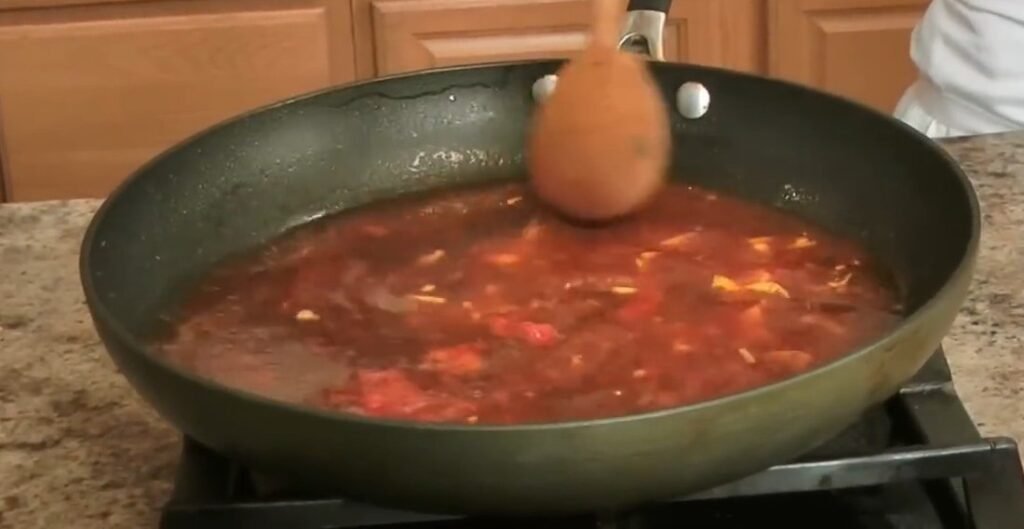
Pour the combined water or stock, soy sauce, honey, rice vinegar and toasted sesame oil into the skillet with the chili and tomato mixture.
Stir well so the honey dissolves, the pastes loosen and the sauce becomes smooth and evenly mixed.
Bring the sauce to a gentle boil, then let it simmer until reduced by about half, which concentrates both flavor and body.
You are looking for a consistency that is still pourable but noticeably thicker and glossier than when you started, so it coats the noodles instead of pooling thinly at the bottom.
6. Cook the noodles
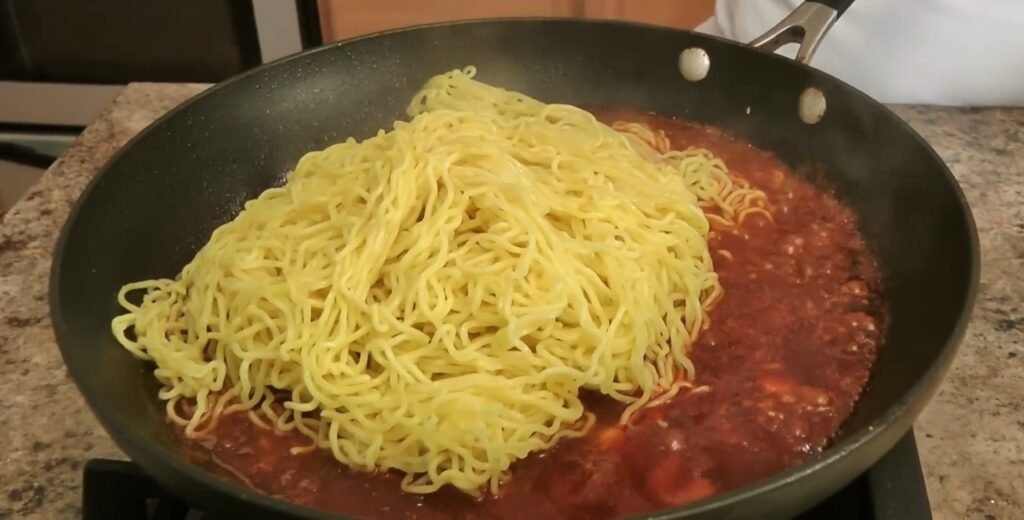
While the sauce is reducing, add your noodles to the pot of boiling salted water.
- Fresh ramen noodles: cook only a very short time until just al dente, since they will finish cooking in the sauce.
- Dried noodles: follow package directions but aim to pull them when slightly firmer than final texture, as they will continue cooking in the skillet.
Once cooked, drain the noodles and, if they are very starchy, give them a quick rinse under cold water to wash away excess starch as suggested in the original recipe.
This rinse helps prevent sticking and keeps the sauce from becoming too thick or gummy once everything is combined.
7. Coat noodles in the spicy sauce
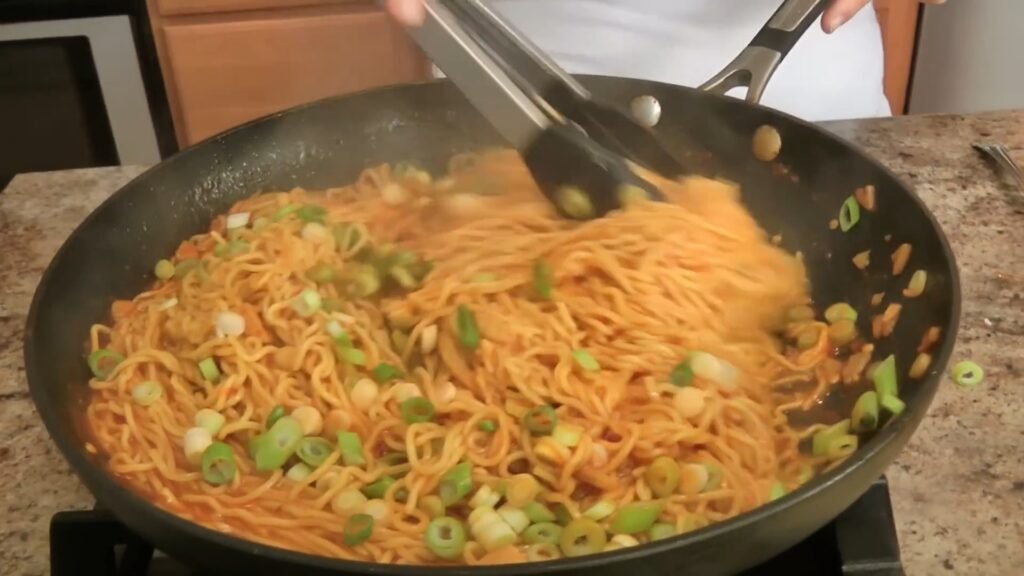
When the sauce has reduced by half and your noodles are drained, add the noodles directly into the skillet with the sauce.
Toss well using tongs or two forks so each strand is well coated, adding a splash of starchy noodle water only if the sauce looks too tight and needs loosening.
Scatter in most of the chopped scallions, reserving a small handful for garnish at the end, and toss again so the scallions wilt slightly in the hot noodles.
Let the noodles cook in the sauce for about a minute, just long enough for them to absorb flavor and finish cooking to a perfect tender yet bouncy texture.
8. Taste, garnish and serve
Turn off the heat and taste a strand of noodles to check seasoning, adding a touch more soy sauce for saltiness or rice vinegar for brightness if needed.
Pile the noodles into warm bowls or onto a serving platter, then sprinkle with the reserved scallions for fresh crunch and color.
Serve immediately while steaming hot; the sauce is at its most fragrant and the noodles at their best texture right after cooking.
- Prep Time: 15 Mins
- Cook Time: 10 Mins